
Year 7 Decimals Worksheets | Printable PDFs
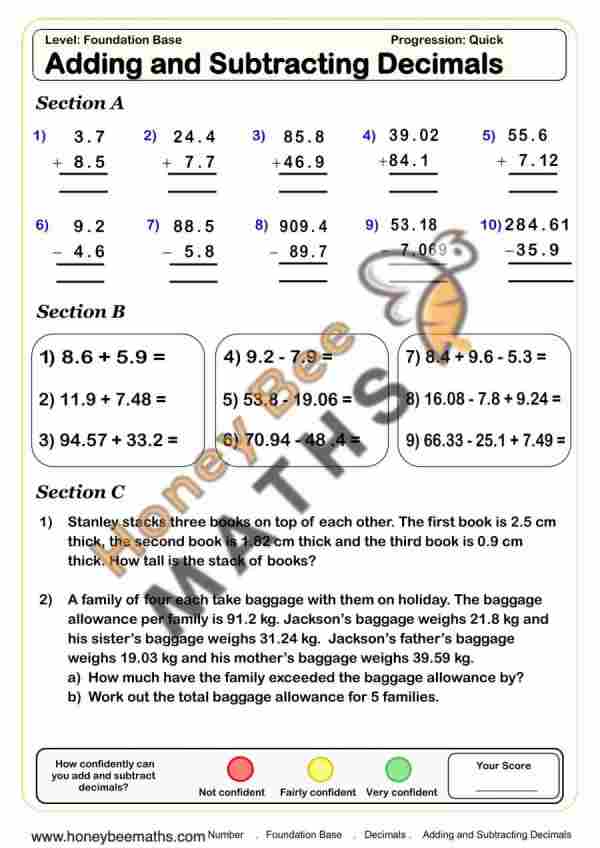
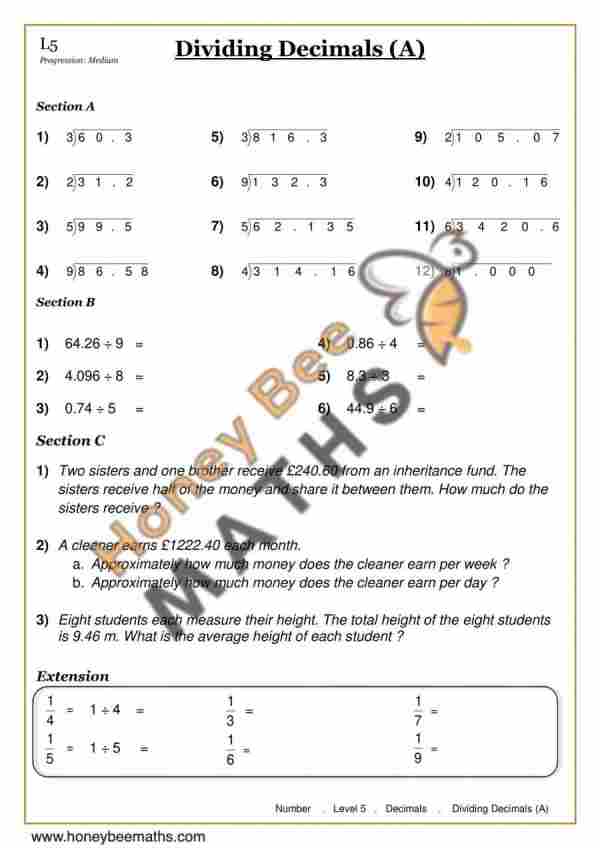
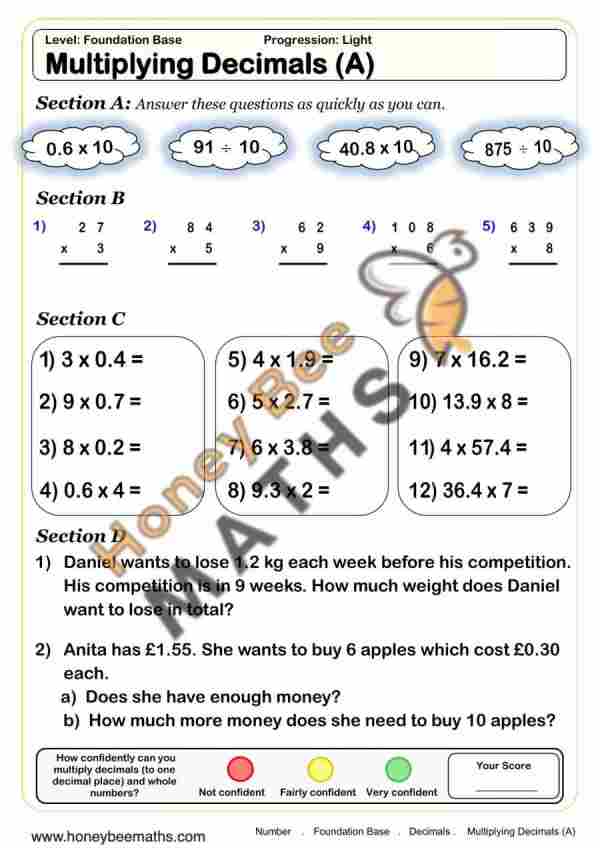
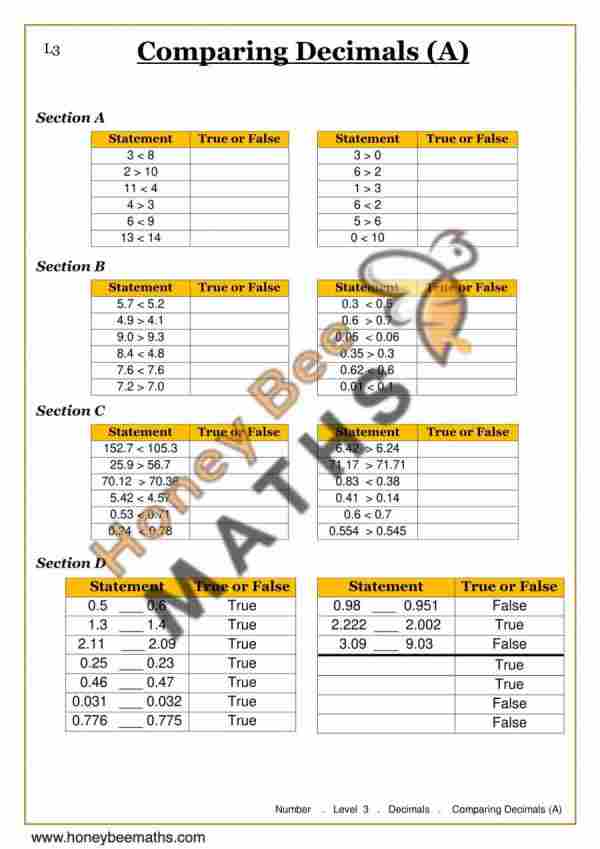
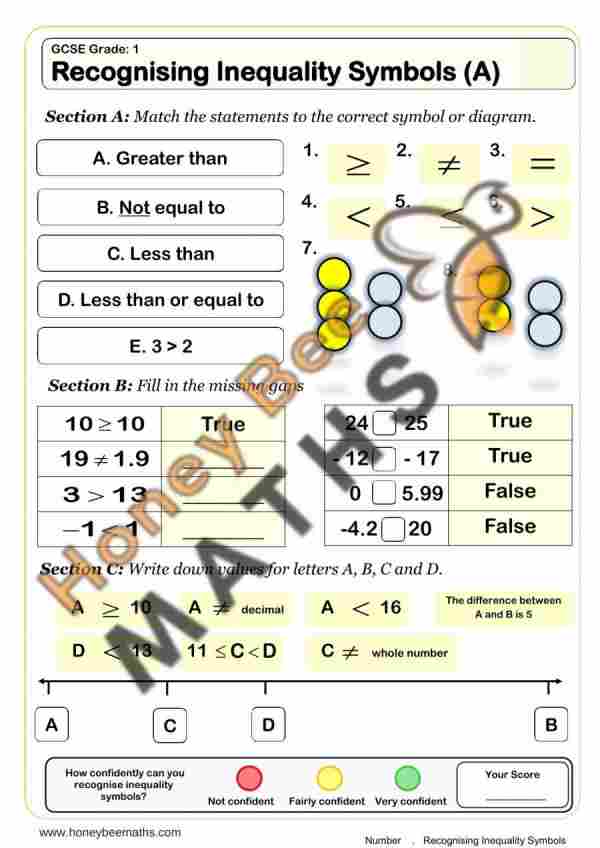
Year 7 Decimals worksheets for year 7 maths. Students aged 11 and 12 learn to add, subtract, divide and multiply decimals. Students must also be able to compare decimals using greater than (>) and less than (<).
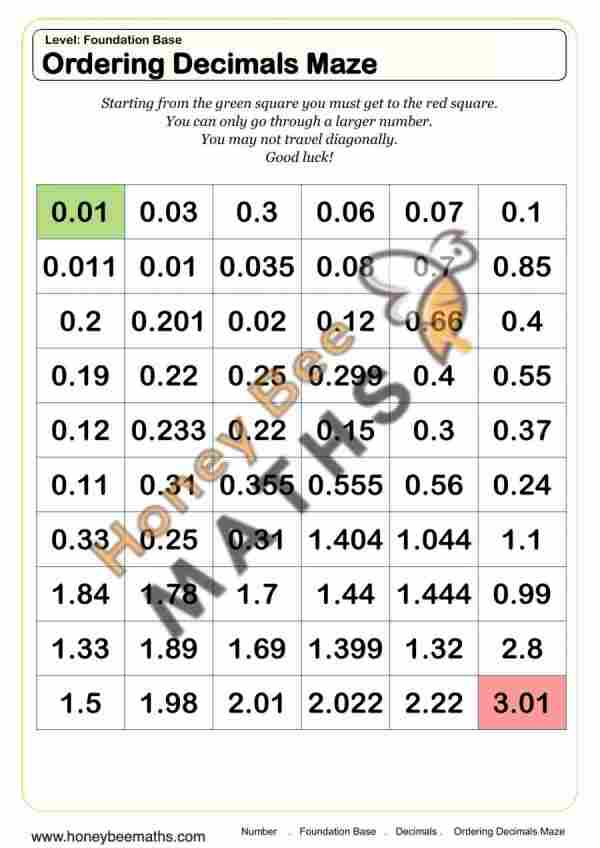
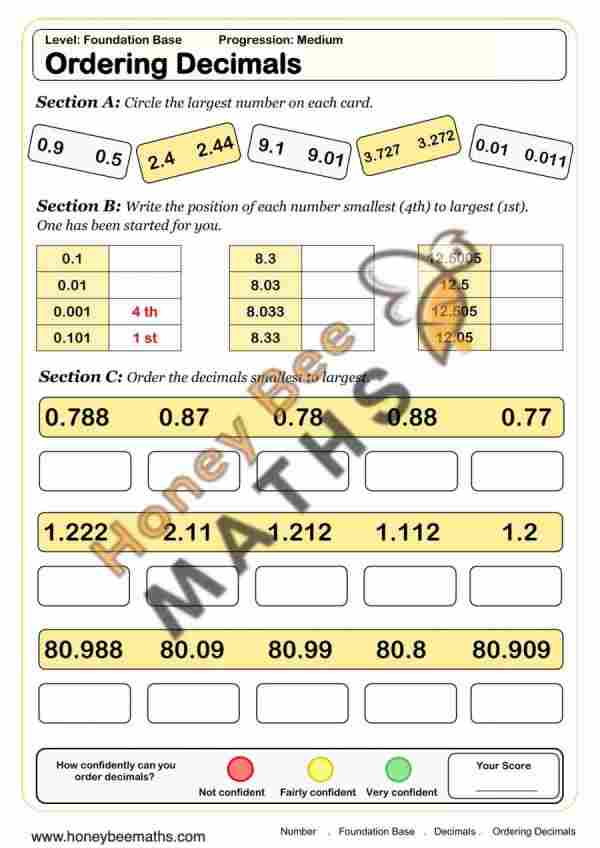
Year 7 students will learn how to order decimals given in tenths, hundredths and thousandths. For questions practising multiplying by powers of ten see Year 8 Powers Worksheets.
For more Decimals Worksheets, see Year 8 Decimals Worksheets
Common Questions about Year 7 Decimals
1. What is a decimal number?
A decimal number uses a decimal point to show parts of a whole. For example, 0.5 represents one half.2. How do I compare decimal numbers?
Compare the digits from left to right, starting with the ones column, then the tenths, hundredths, and so on.3. Why do we use decimals?
Decimals are used to represent parts of a whole and are commonly used when working with money, measurements, and data.
Year 7 Decimals Common Mistakes
Common Mistake 1
Ignoring place value when comparing decimals, for example thinking 0.45 is greater than 0.5.Common Mistake 2
Comparing the number of digits instead of the value of each digit.Common Mistake 3
Forgetting that trailing zeros do not change the value, for example 0.7 = 0.70.