Year 10 Maths Worksheets (GCSE) | Printable PDFs
What is taught in Year 10 Maths?
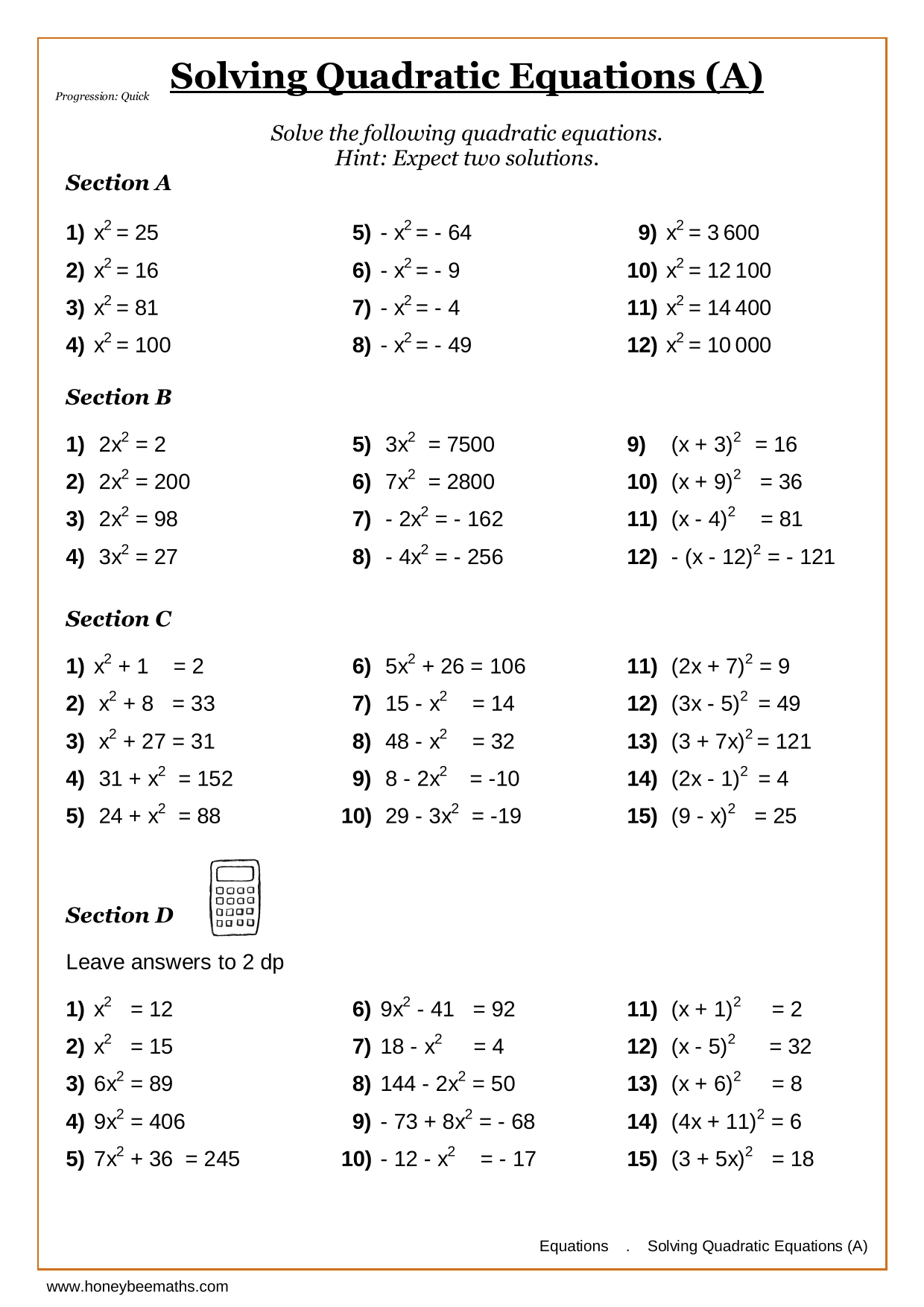
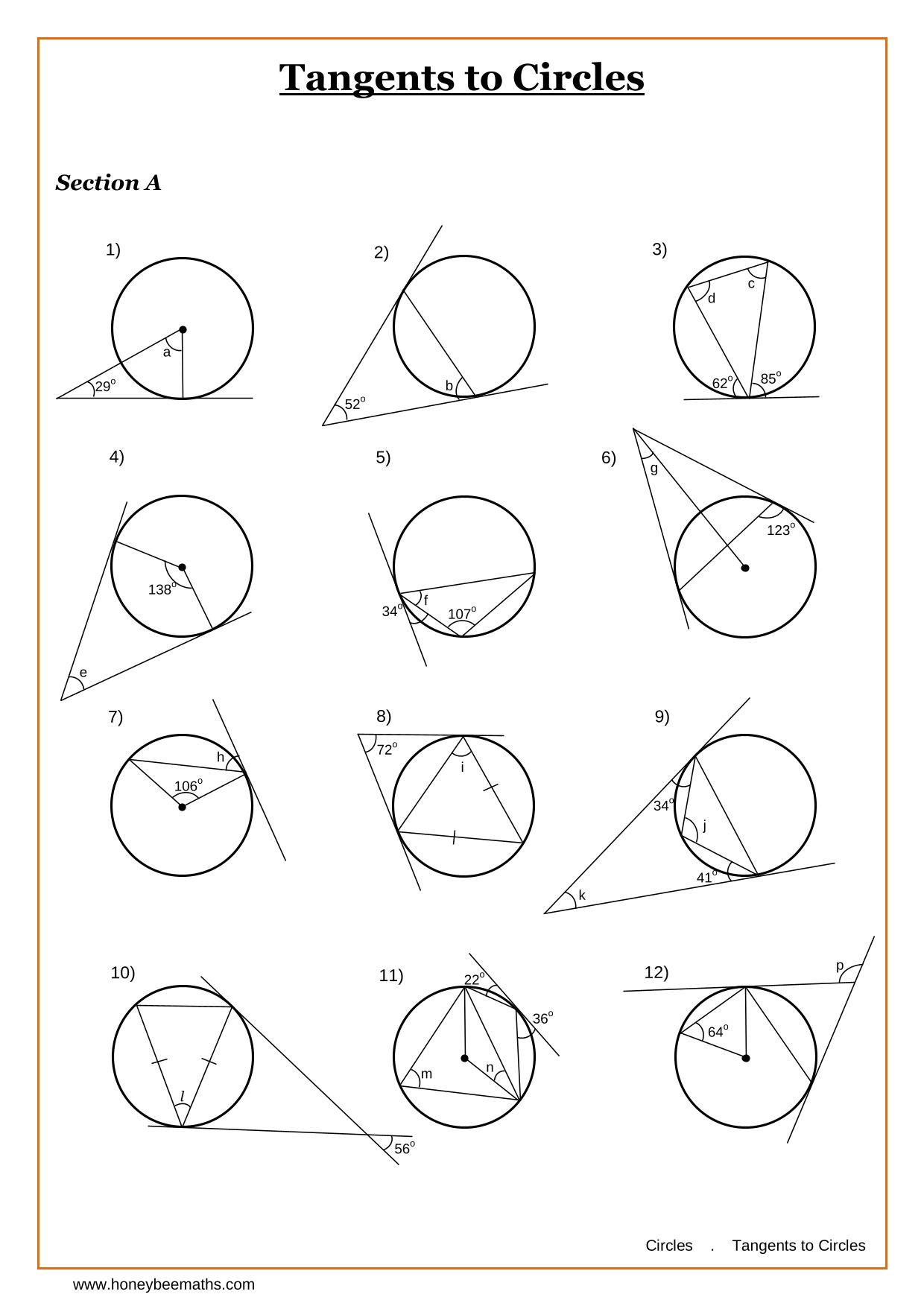
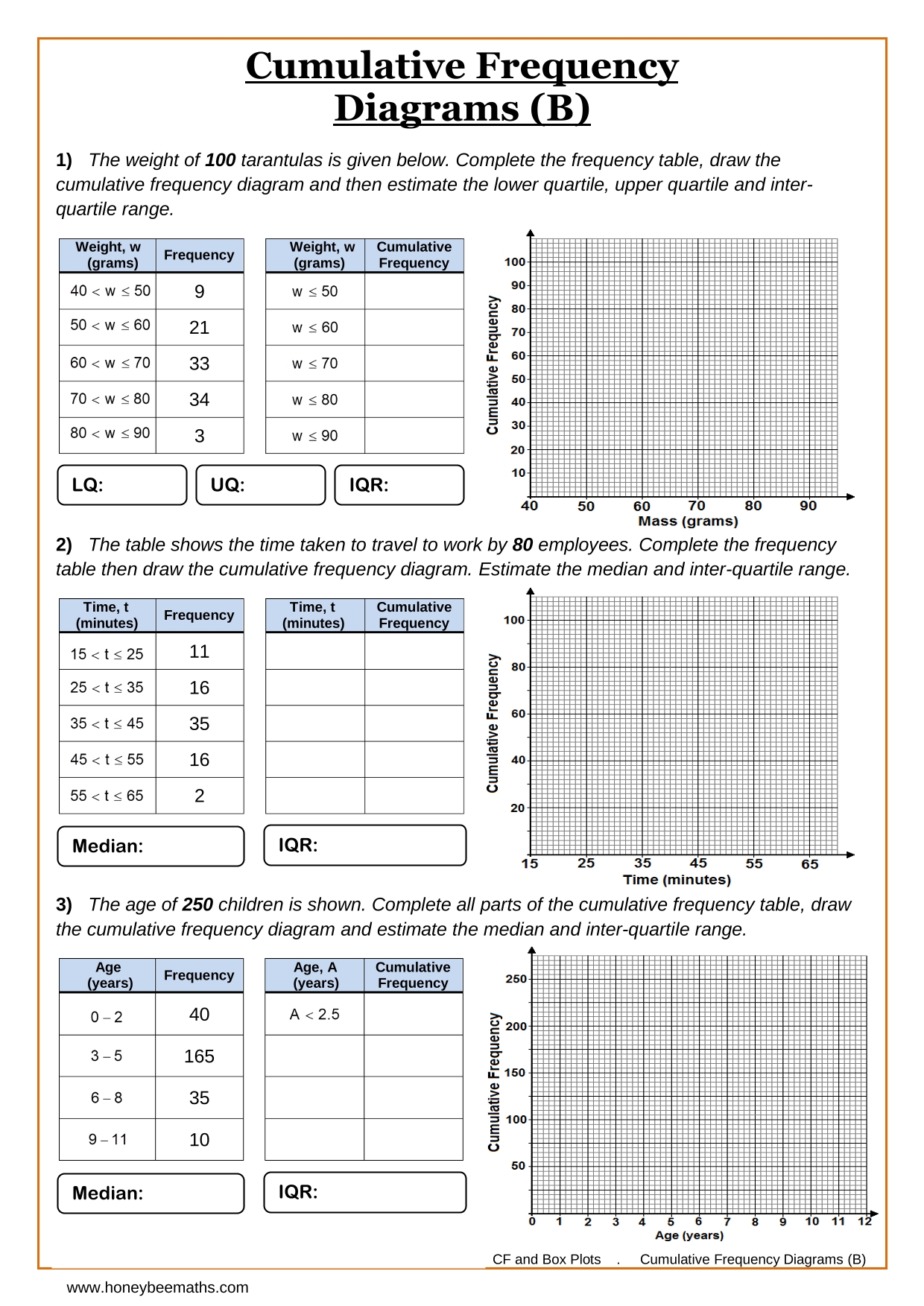
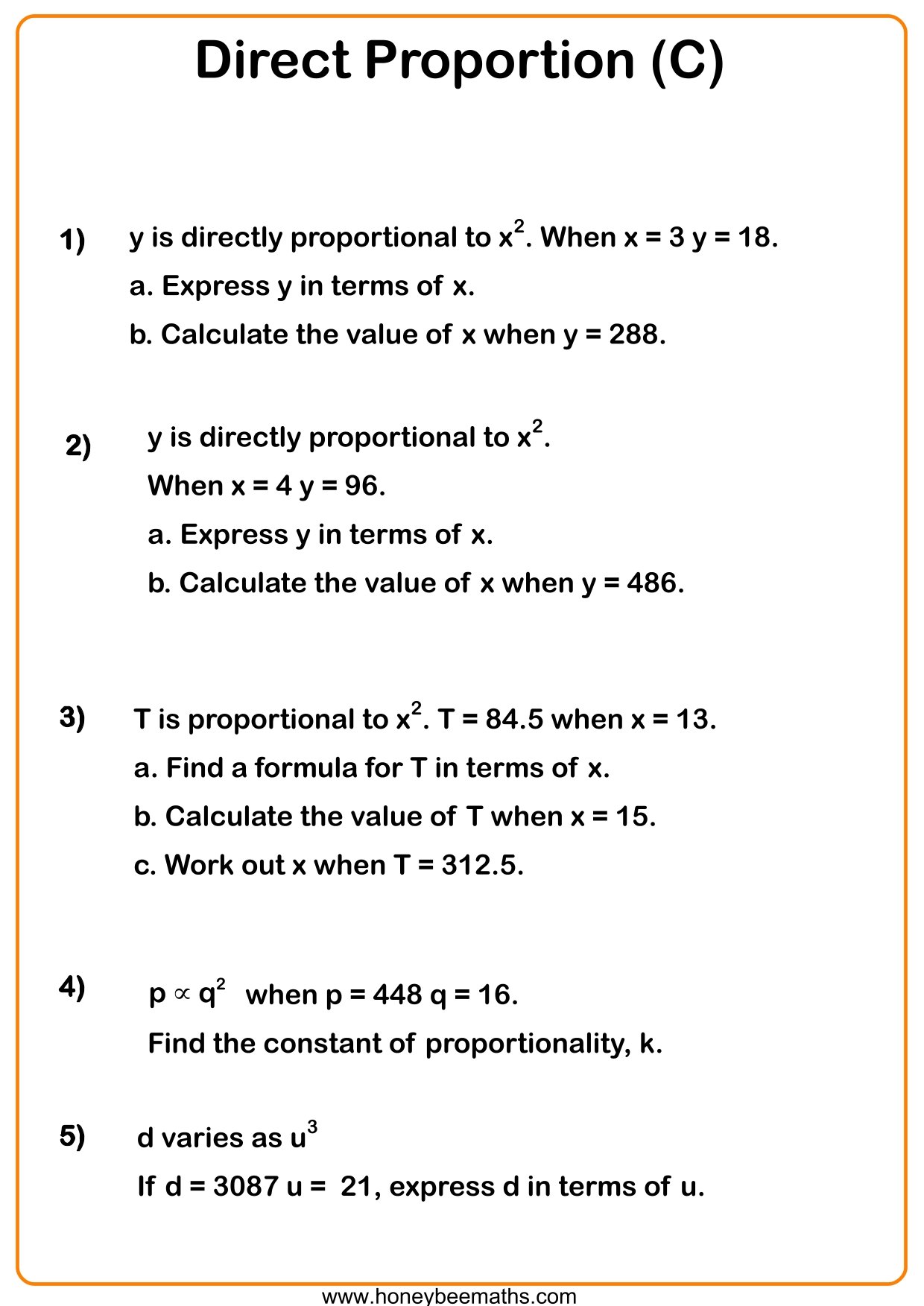
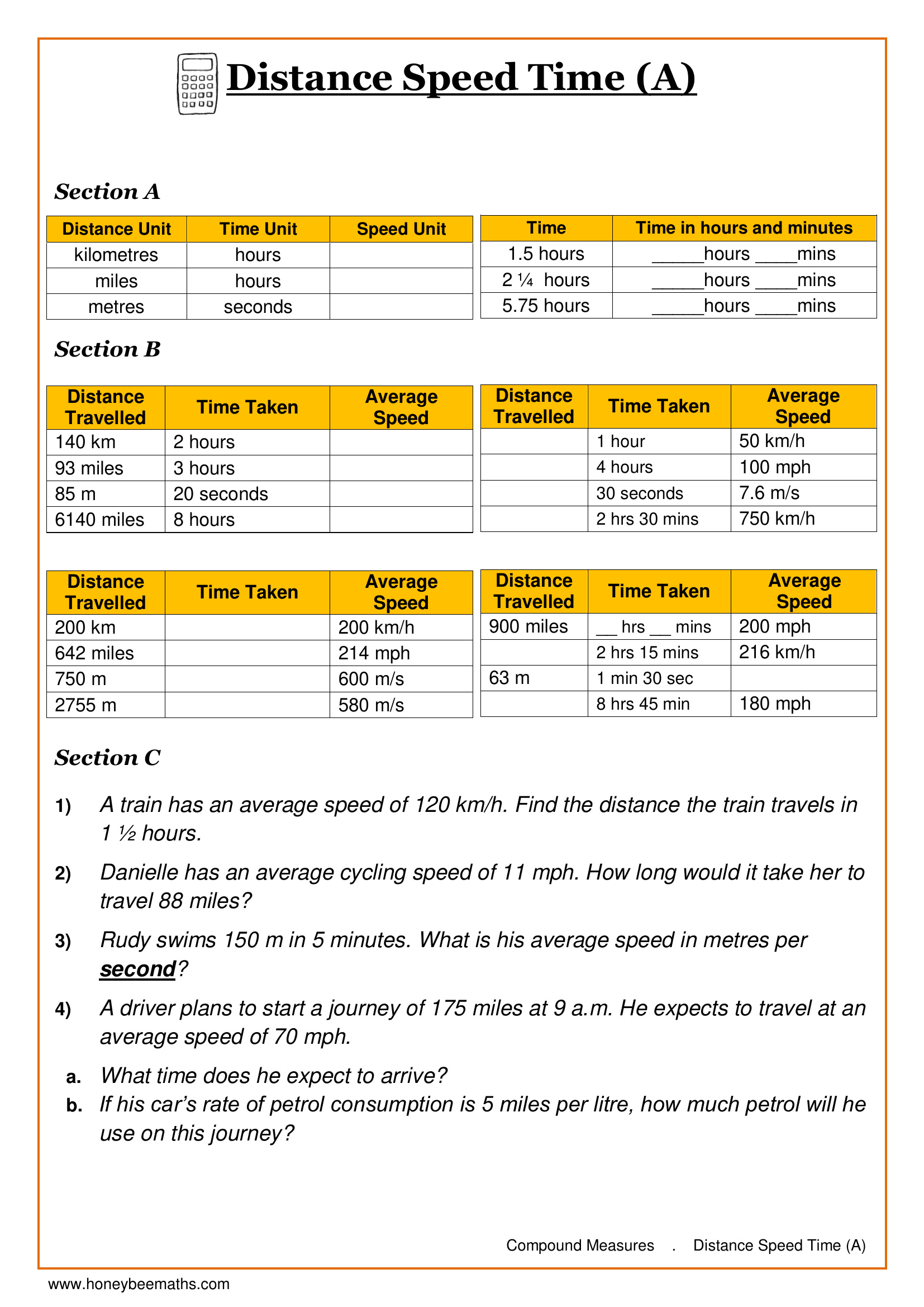
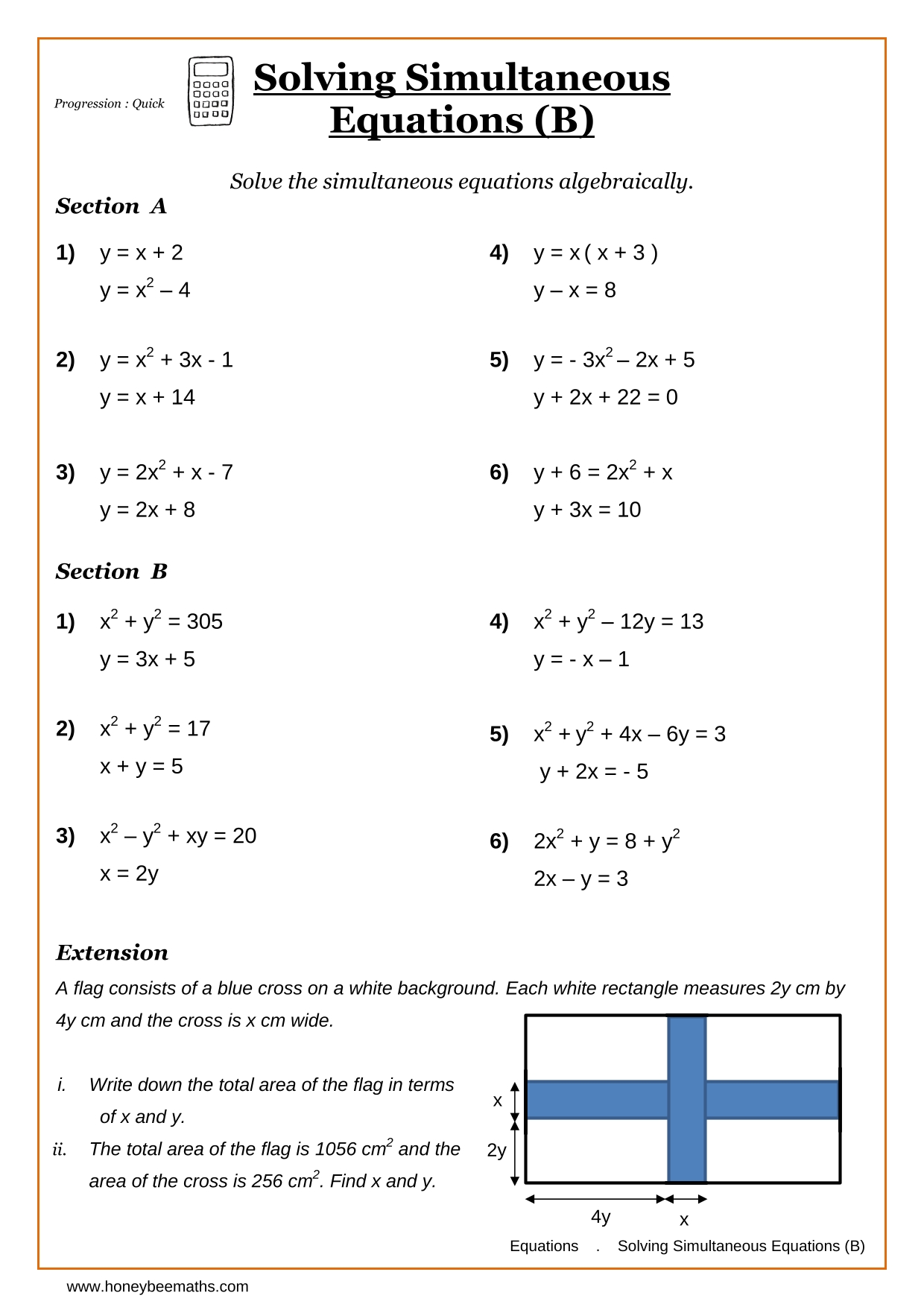
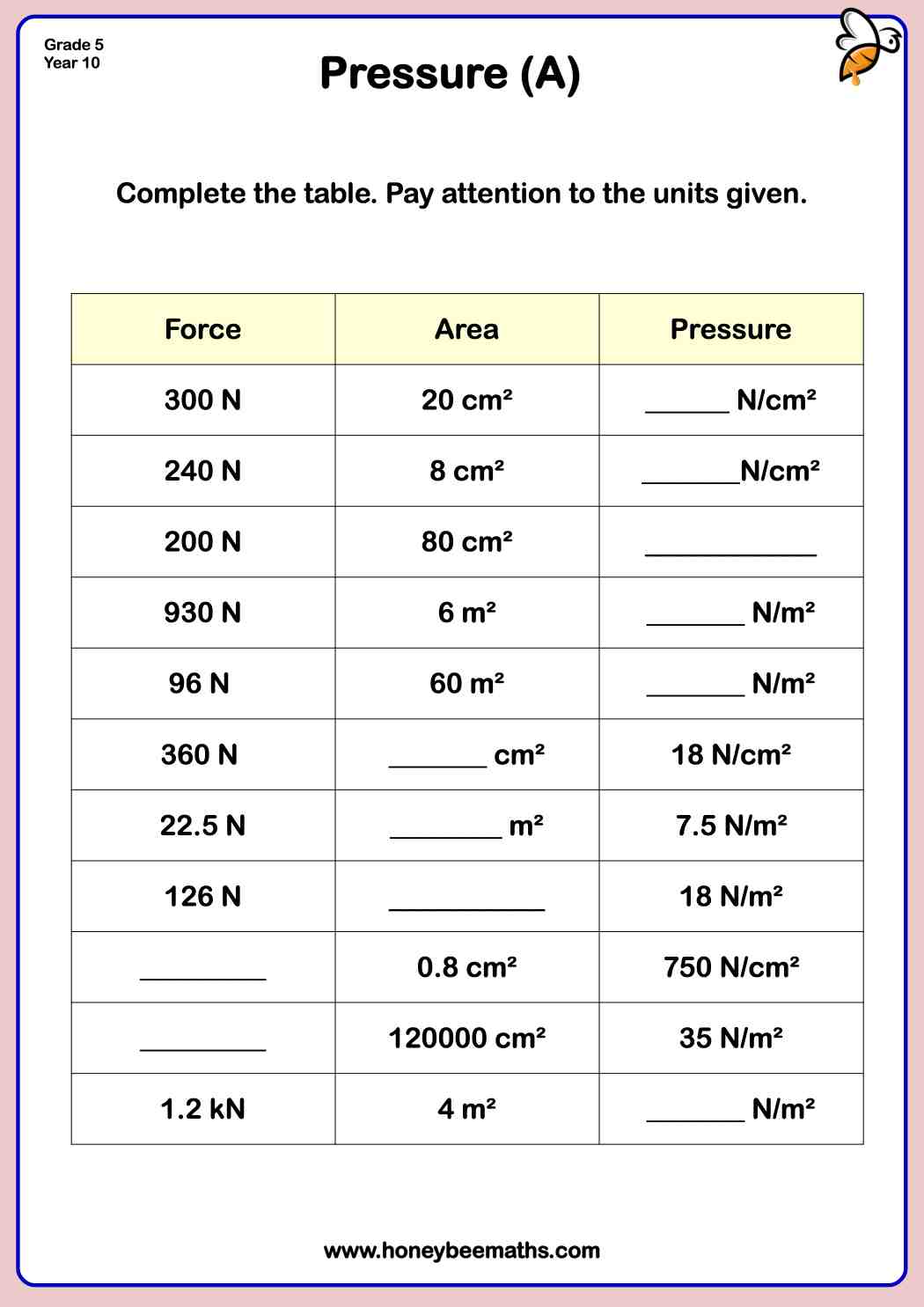
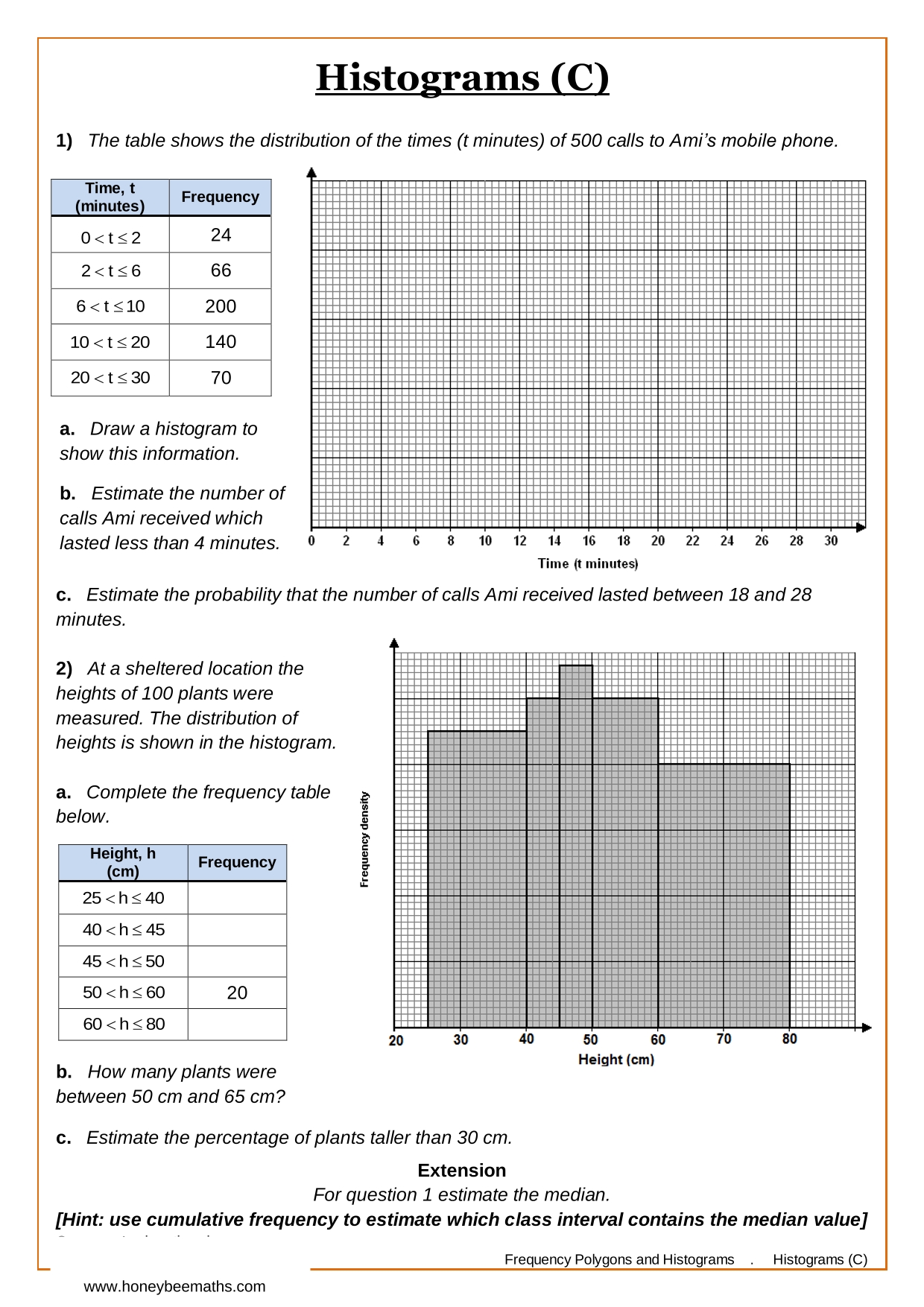
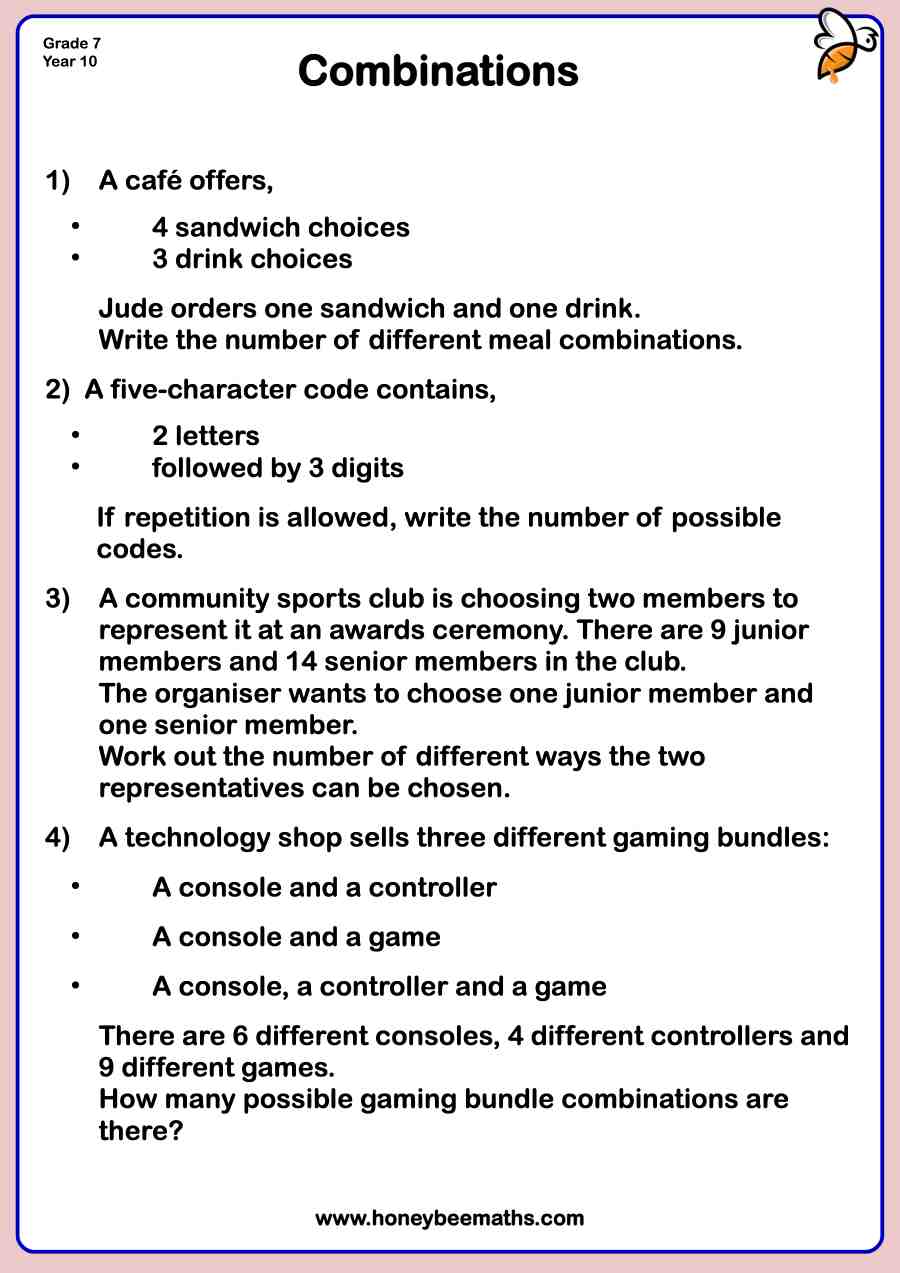
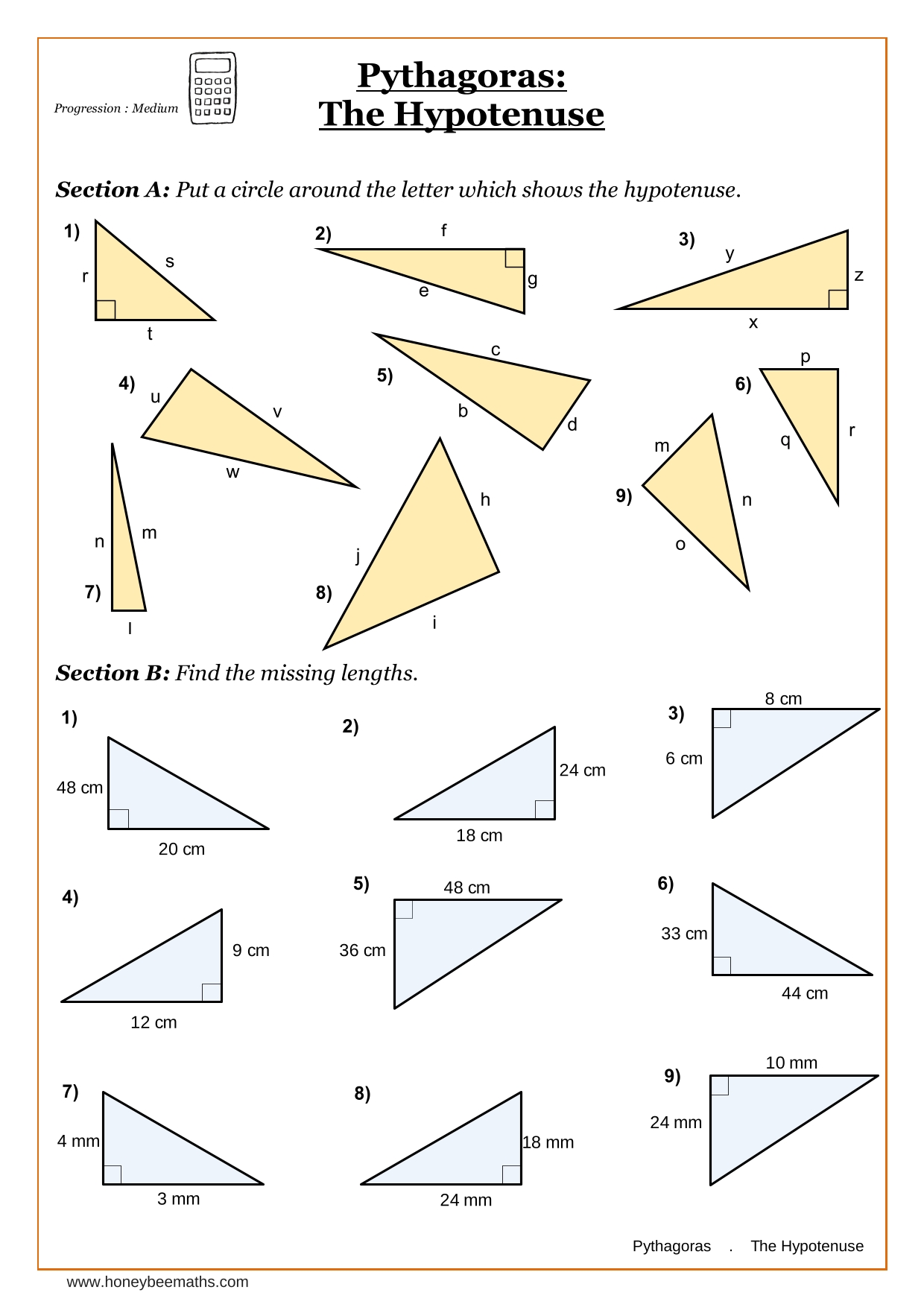
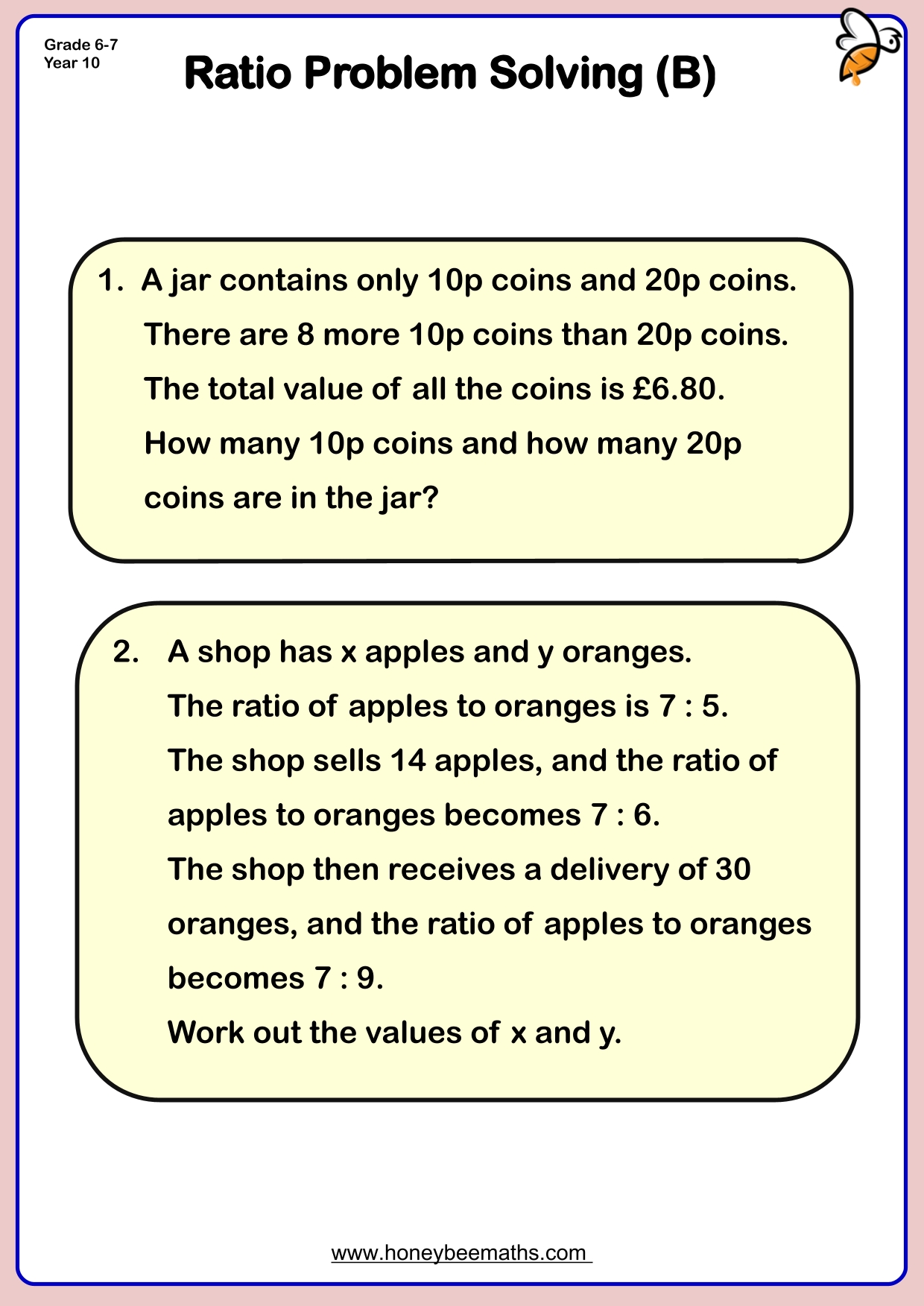
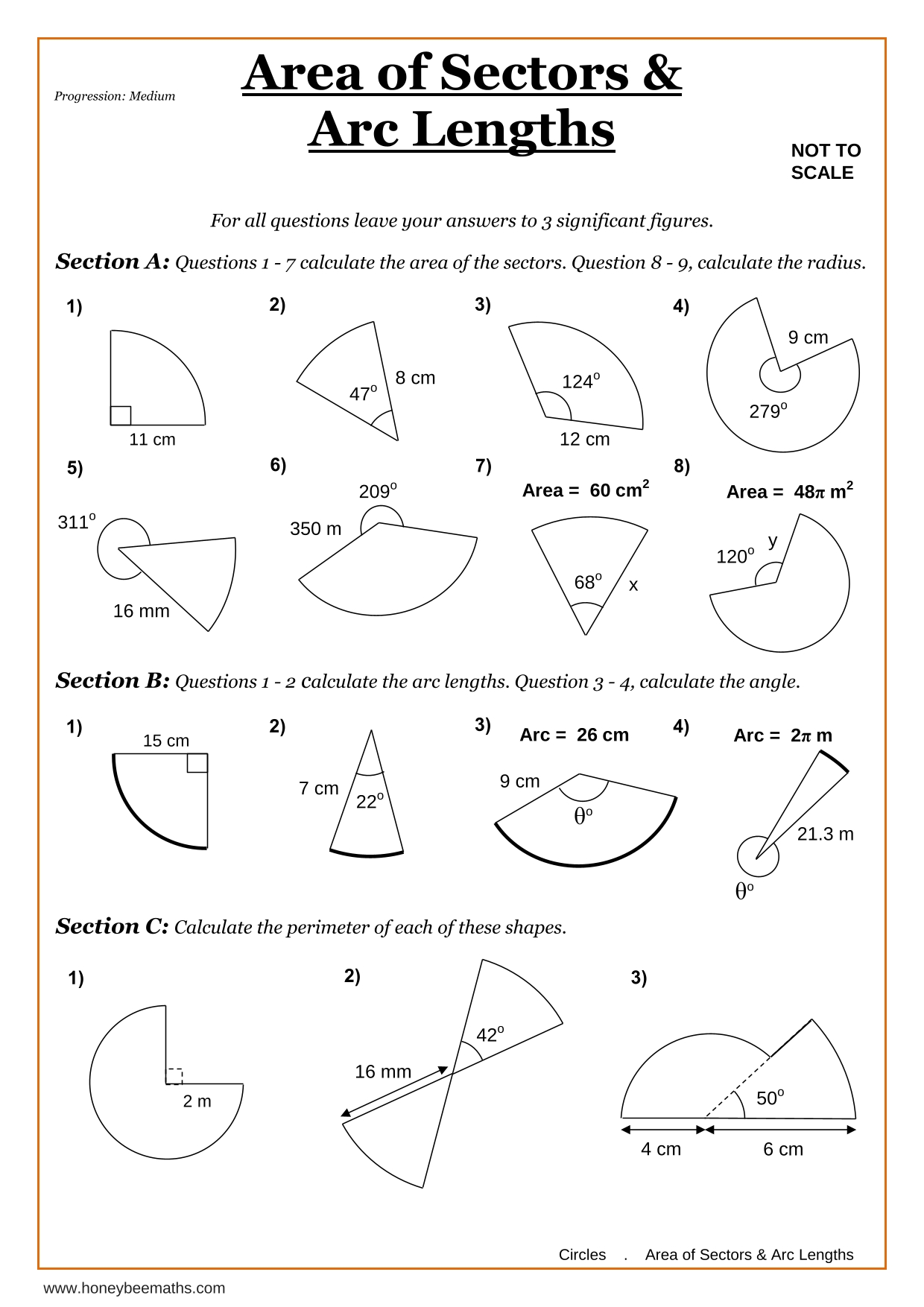
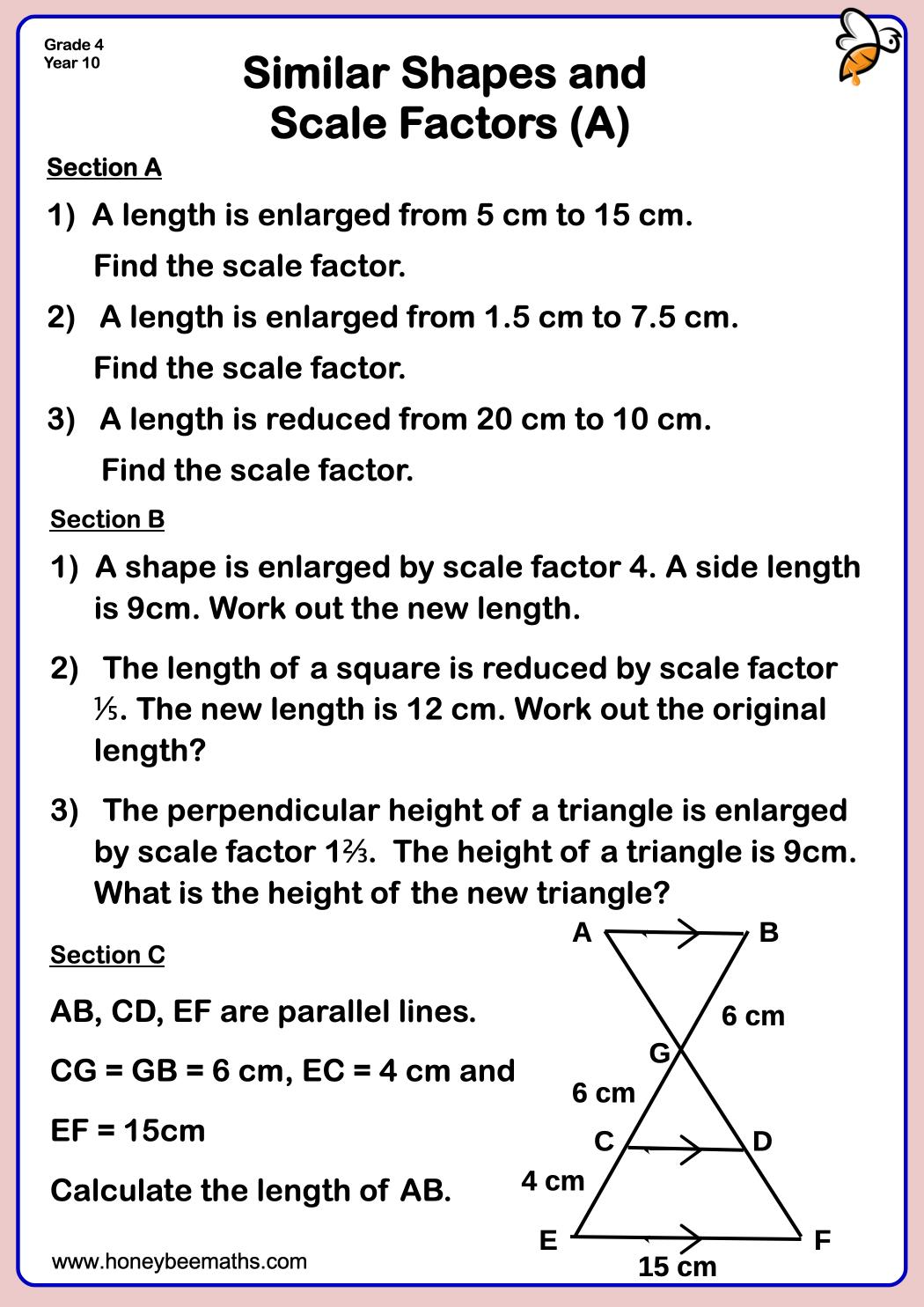
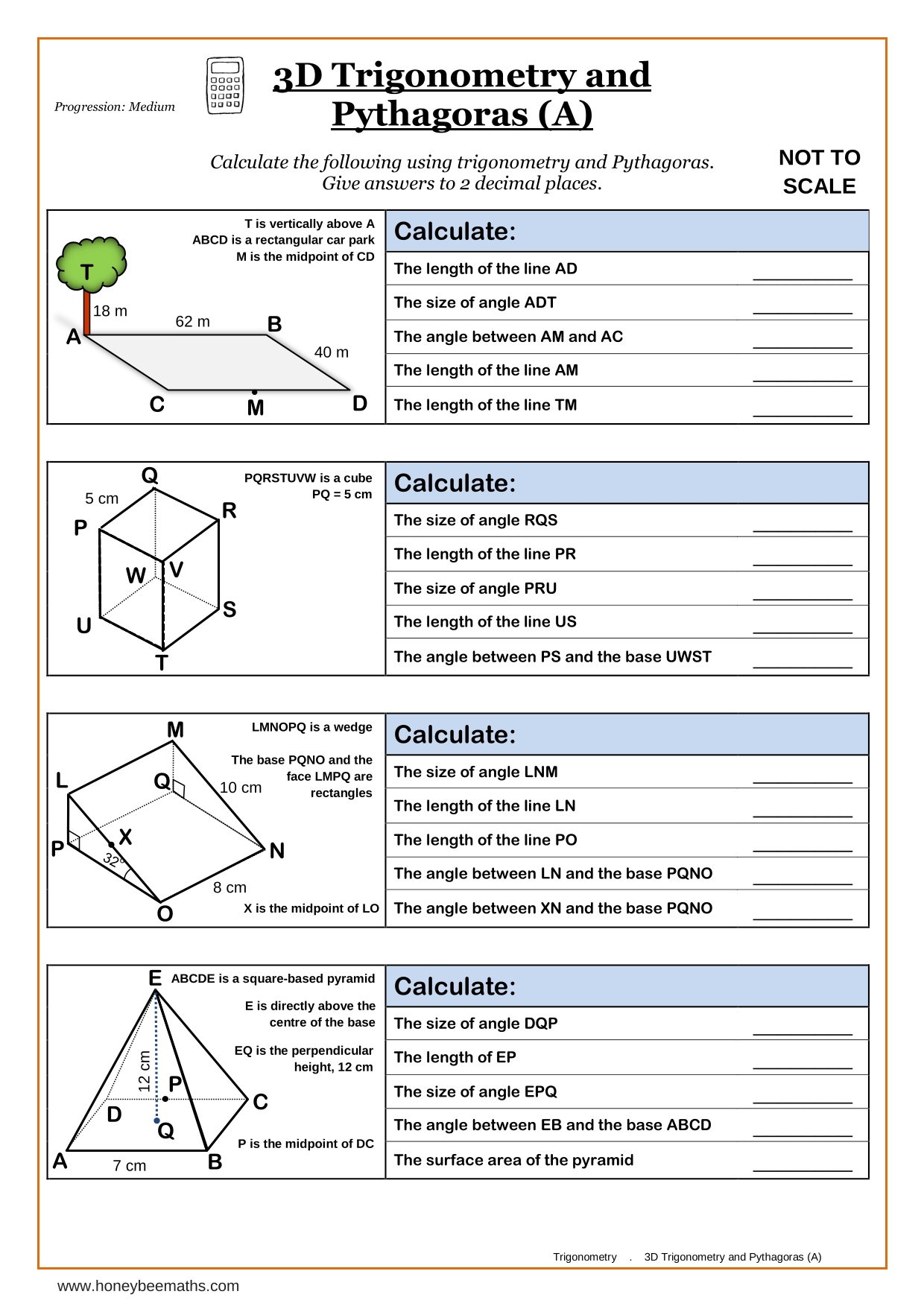
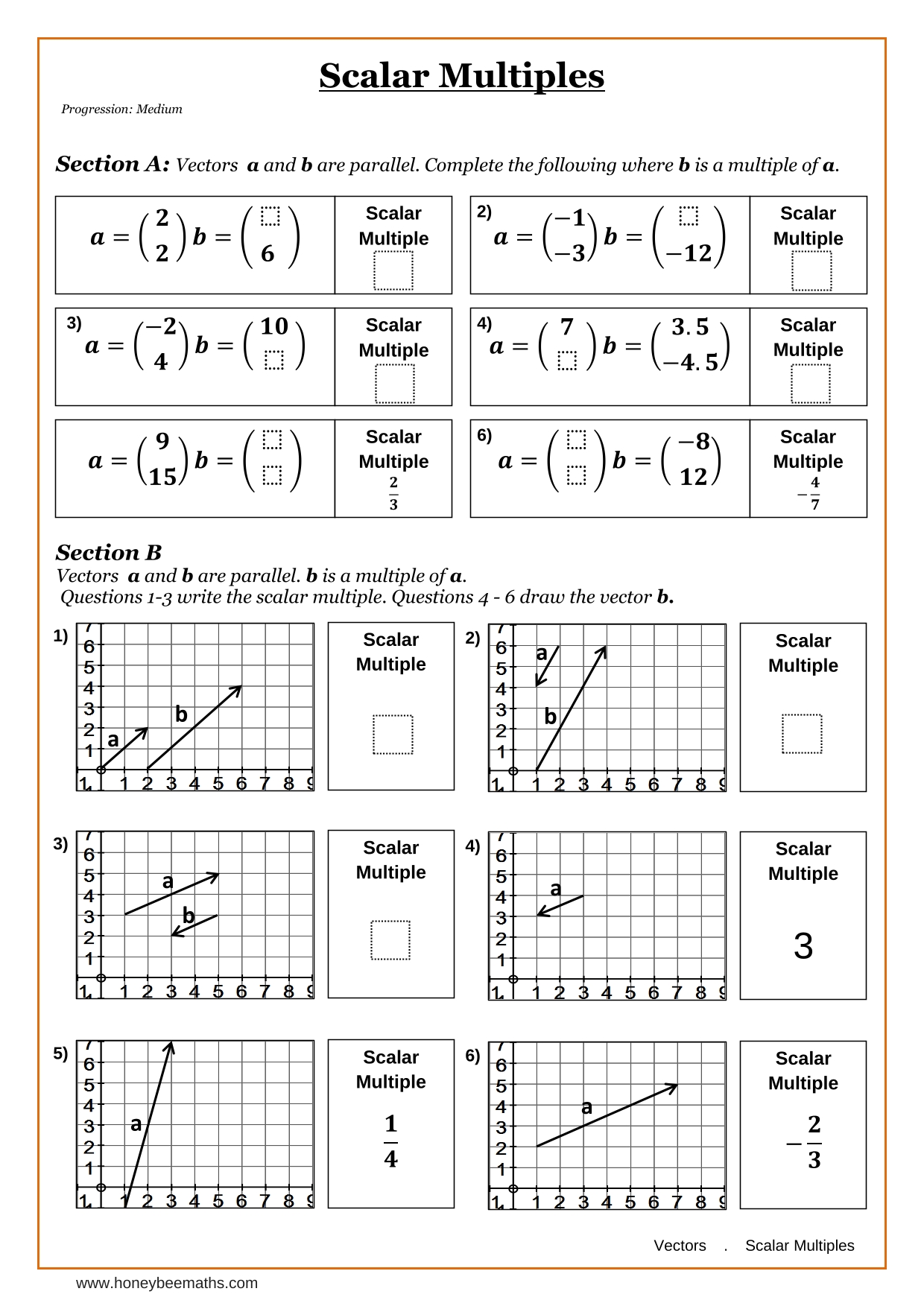
In Year 10 Maths, students begin studying many of the key topics that form the foundation of GCSE Mathematics. Pupils develop their skills in algebra, trigonometry, probability, geometry and statistics while learning to solve more complex multi-step problems. They are expected to apply mathematical techniques accurately and explain their reasoning clearly.Throughout the year, students study topics such as Pythagoras' Theorem, circle theorems, vectors, functions, direct and inverse proportion, cumulative frequency, histograms and advanced algebra. These Year 10 Maths worksheets provide printable practice across all major GCSE topics, helping students build confidence, improve problem-solving skills and prepare for Year 11 and their GCSE examinations.
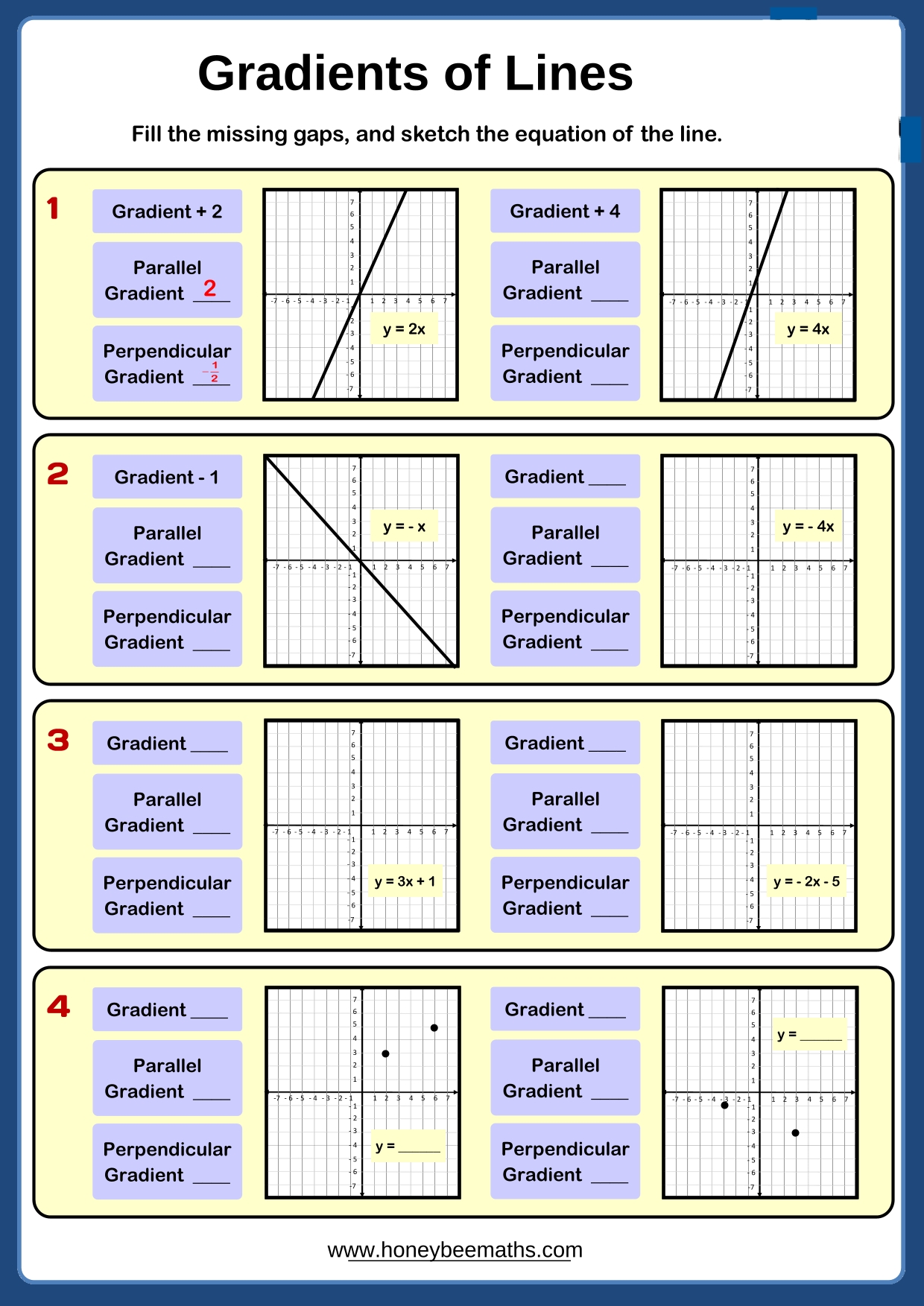
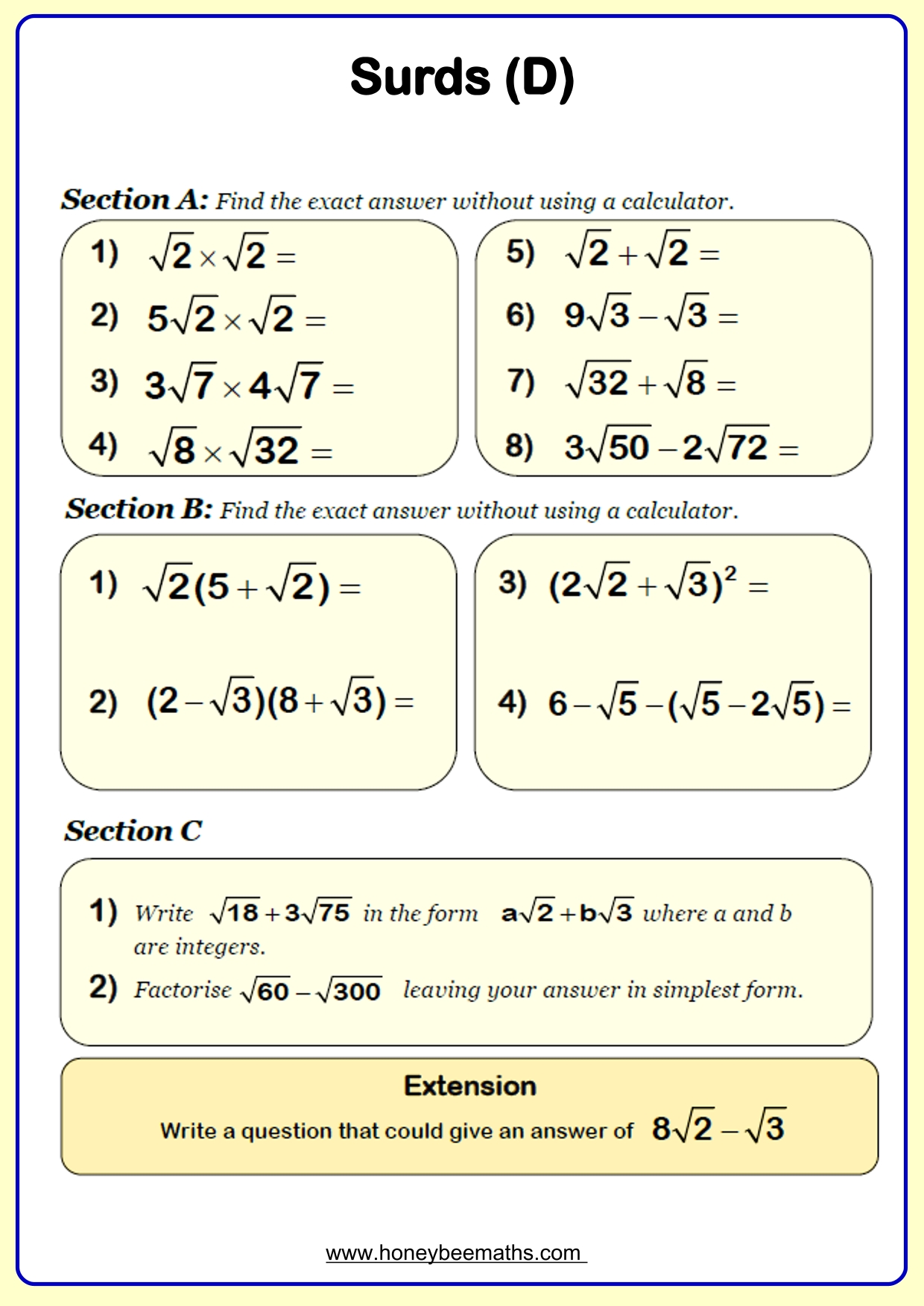
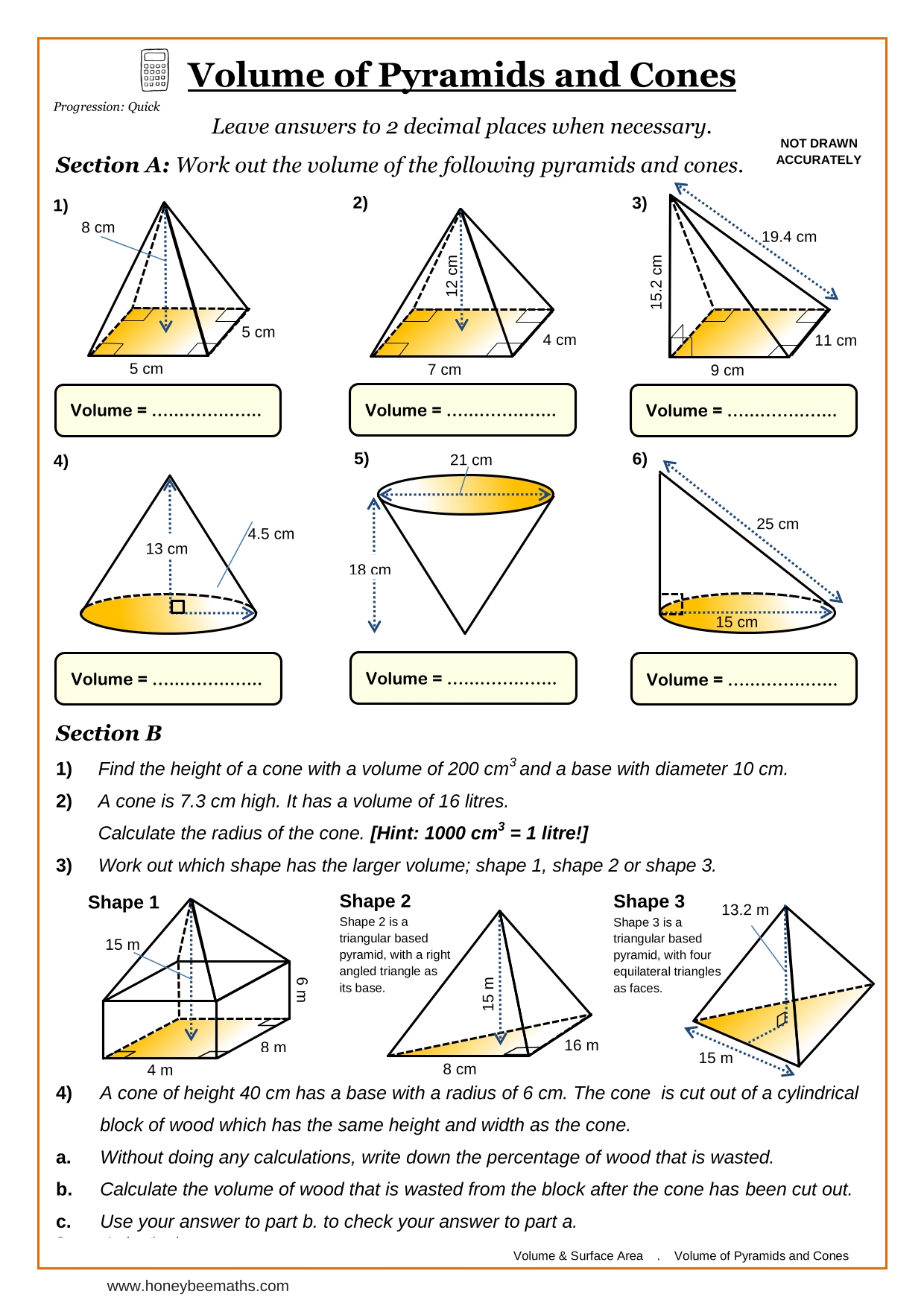
Year 10 maths marks the beginning of GCSE study for many students and introduces a wide range of topics that build upon the foundations developed in Key Stage 3. Students are expected to apply their mathematical knowledge with greater accuracy, independence and problem-solving skills. In number and algebra, students work with fractions, percentages, ratio, standard form, indices and surds. They solve linear and quadratic equations, manipulate algebraic expressions, use formulas and investigate sequences. Graphs become more advanced, including straight-line graphs and other algebraic relationships. Geometry topics include angle rules, polygons, circle theorems, transformations, constructions and loci. Students learn to calculate area, surface area and volume, including problems involving prisms, cylinders, cones and spheres. Pythagoras’ Theorem and trigonometry are introduced and applied to solve problems involving missing lengths and angles. Students also study statistics and probability, including cumulative frequency, histograms, probability trees and interpreting data from a variety of graphs and charts. Mathematical reasoning plays a major role, with students expected to explain methods, justify conclusions and solve multi-step problems. Throughout Year 10, students develop the skills needed for GCSE success by combining techniques from different areas of mathematics and applying them in increasingly challenging contexts. These topics provide a strong foundation for the more advanced GCSE content covered in Year 11 and prepare students for their final examinations.