
Year 11 Maths Worksheets (GCSE) | Printable PDFs
What is taught in Year 11 Maths?
Year 11 Maths is the final year of GCSE study for most students in England and Wales, with pupils typically aged 15 to 16. During Year 11, students build on the mathematical knowledge developed throughout secondary school and prepare for their GCSE examinations. The curriculum covers a broad range of topics across number, algebra, ratio and proportion, geometry, measures, statistics and probability. You will find some of the topics studied and revisited in year 11 under year 10 maths worksheets. Throughout the year, there is a strong emphasis on problem solving, mathematical reasoning and interpreting real-world situations, helping students apply their knowledge confidently across a wide variety of GCSE Maths questions.
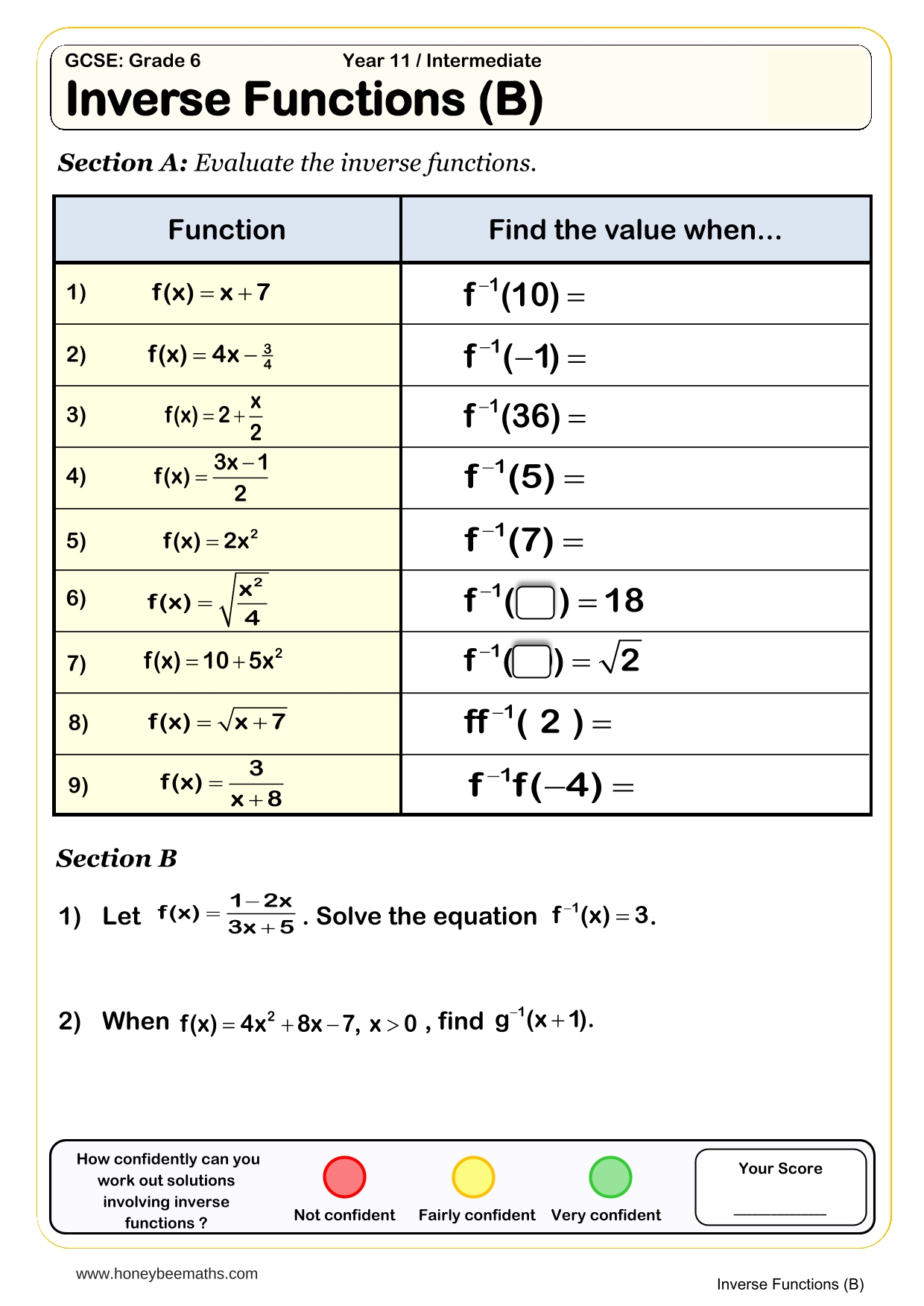
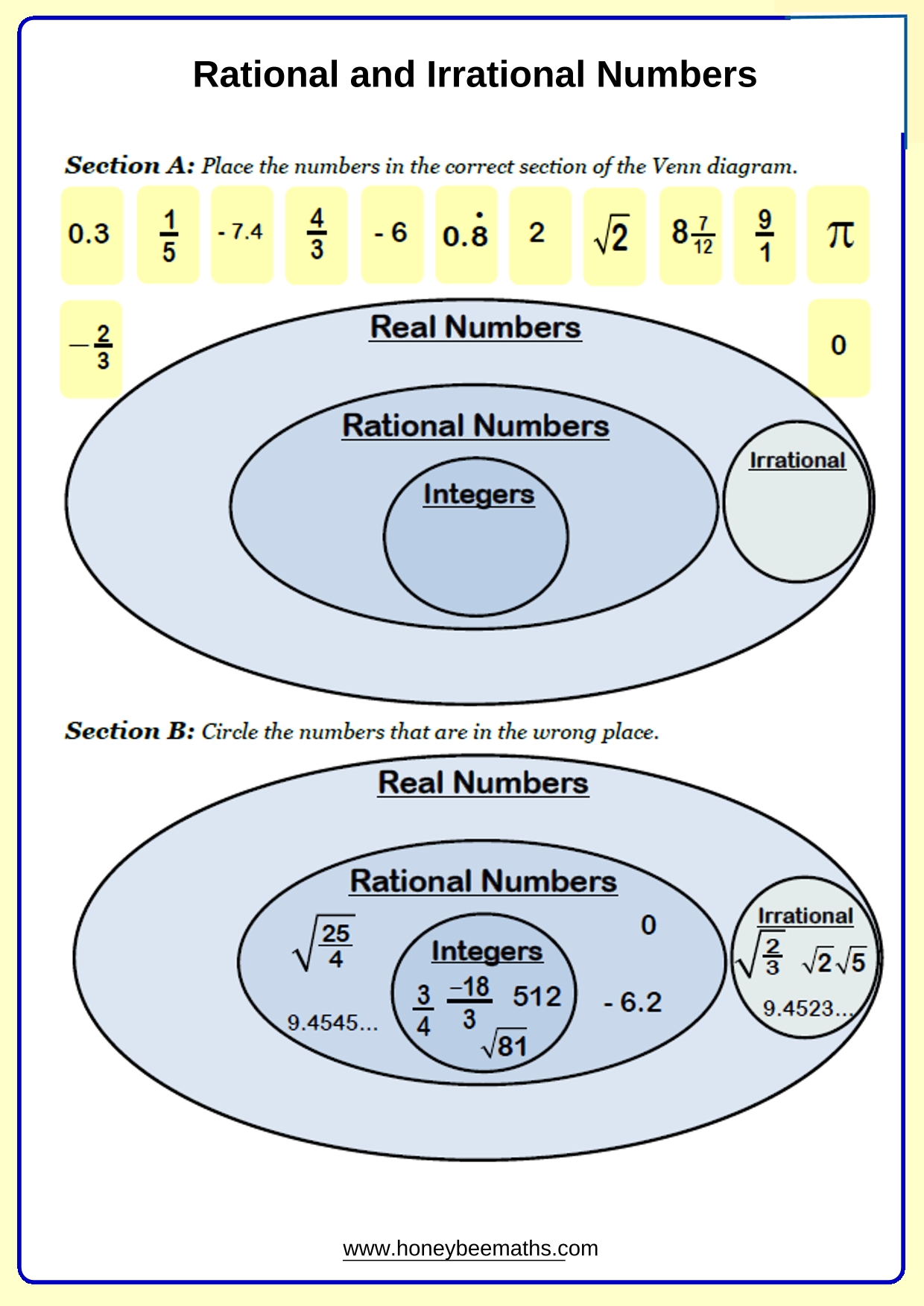
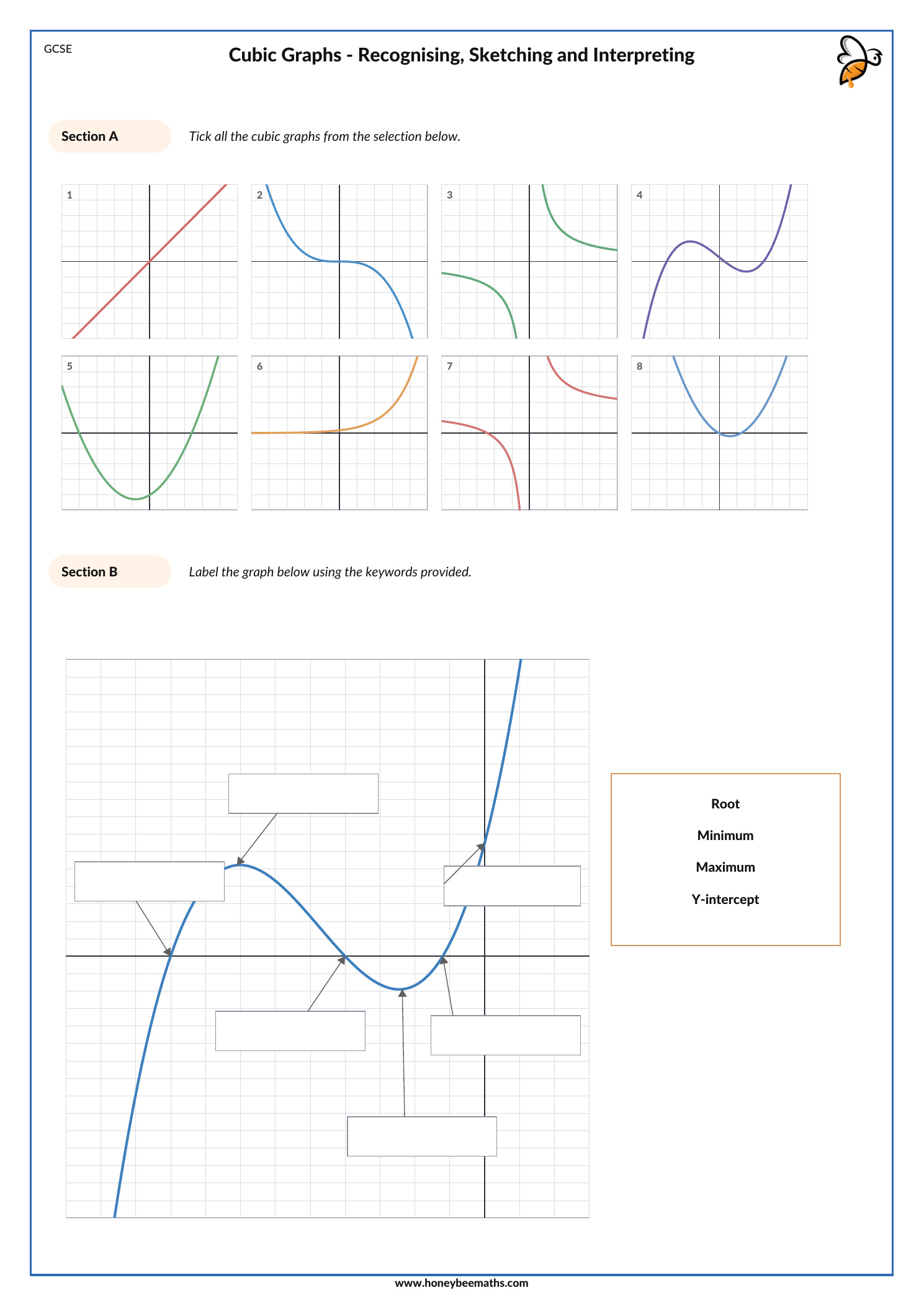
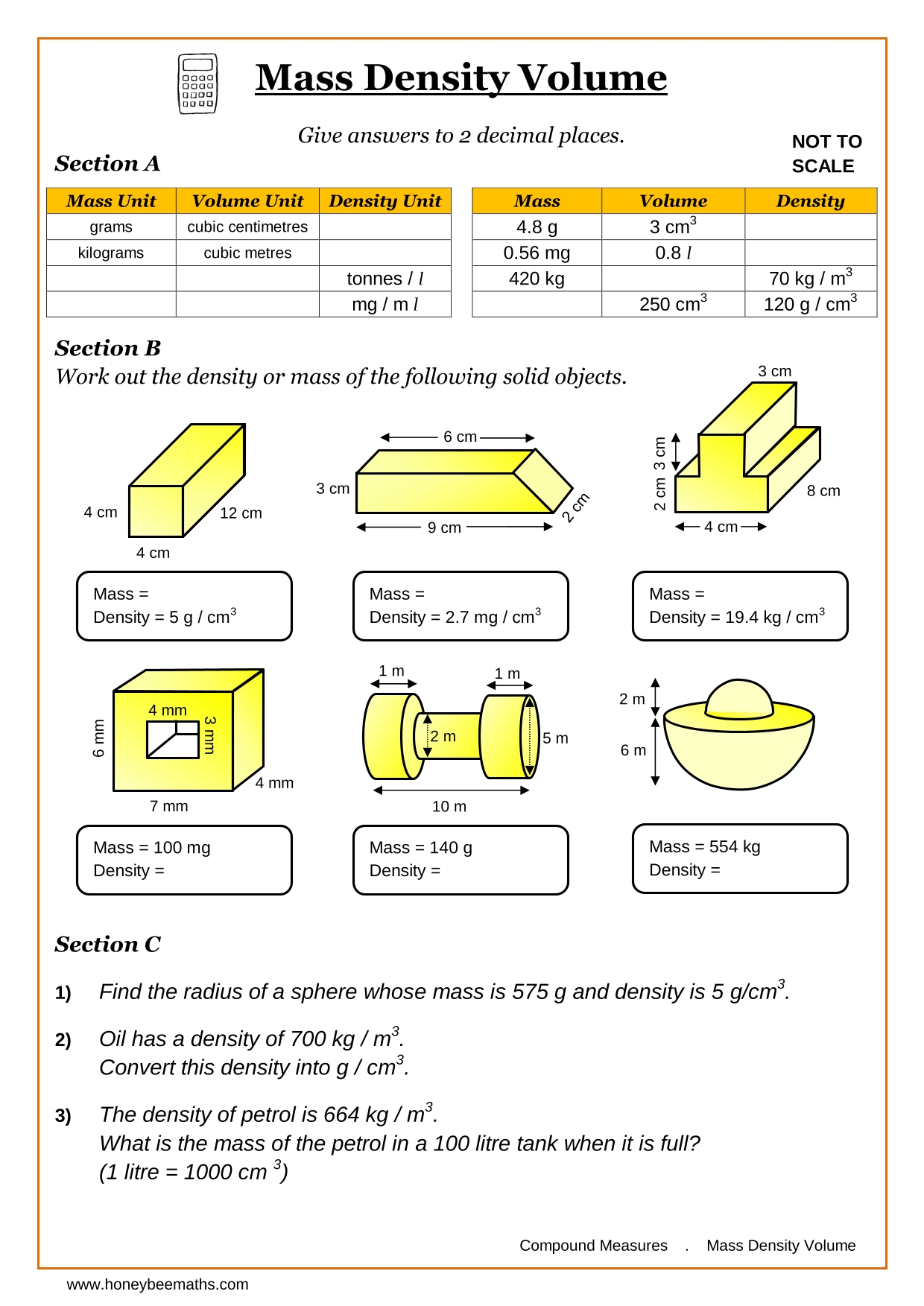
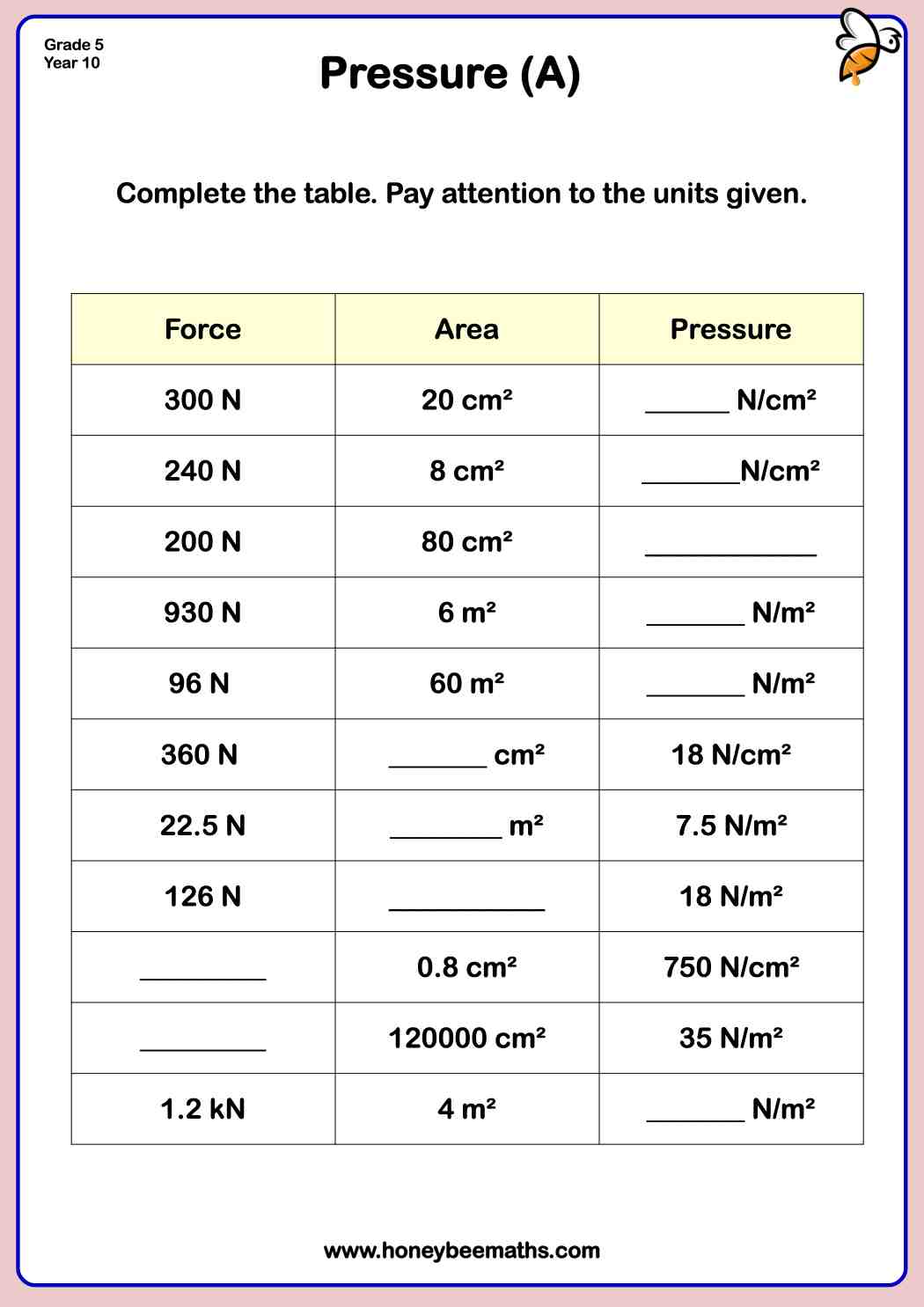
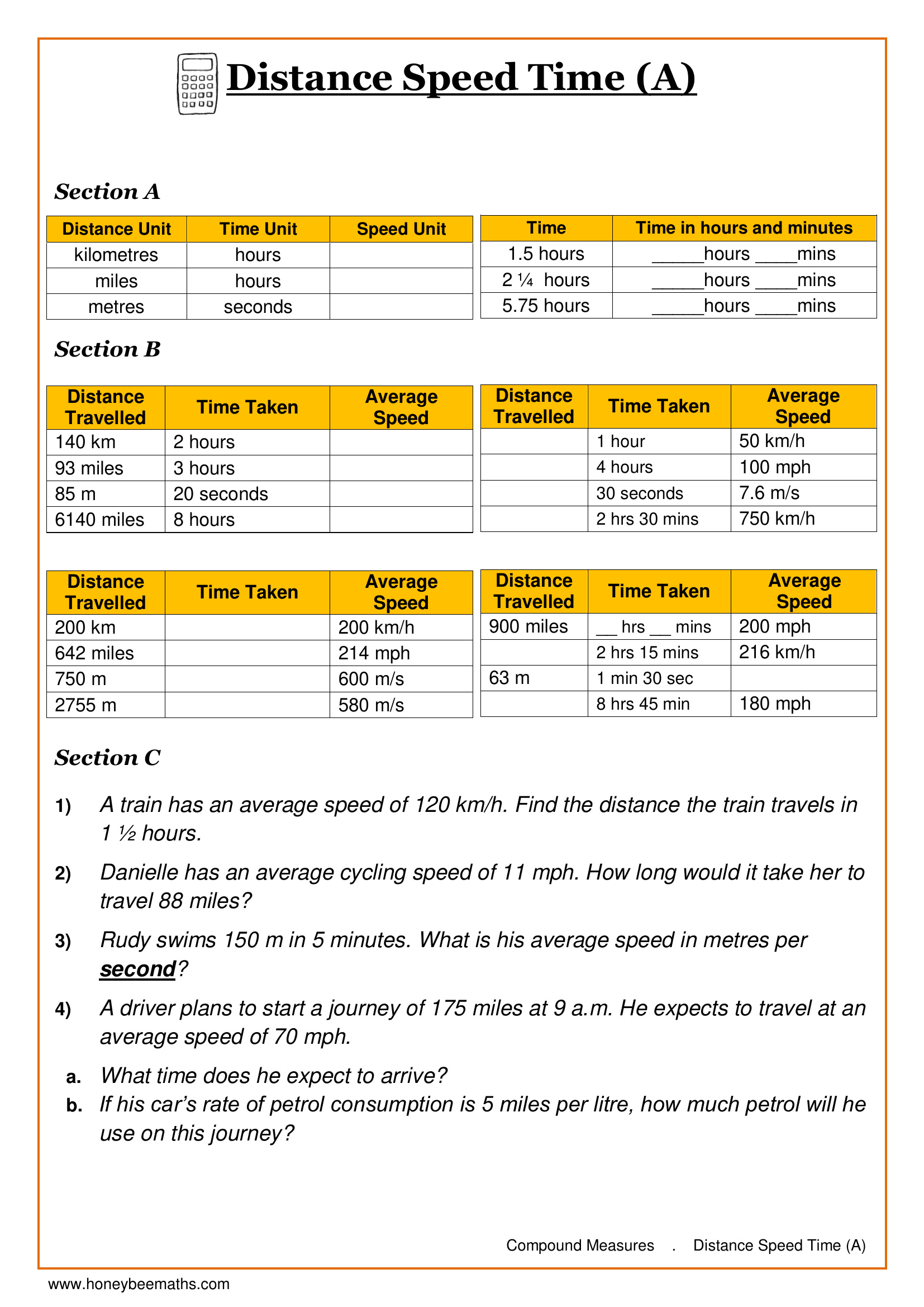
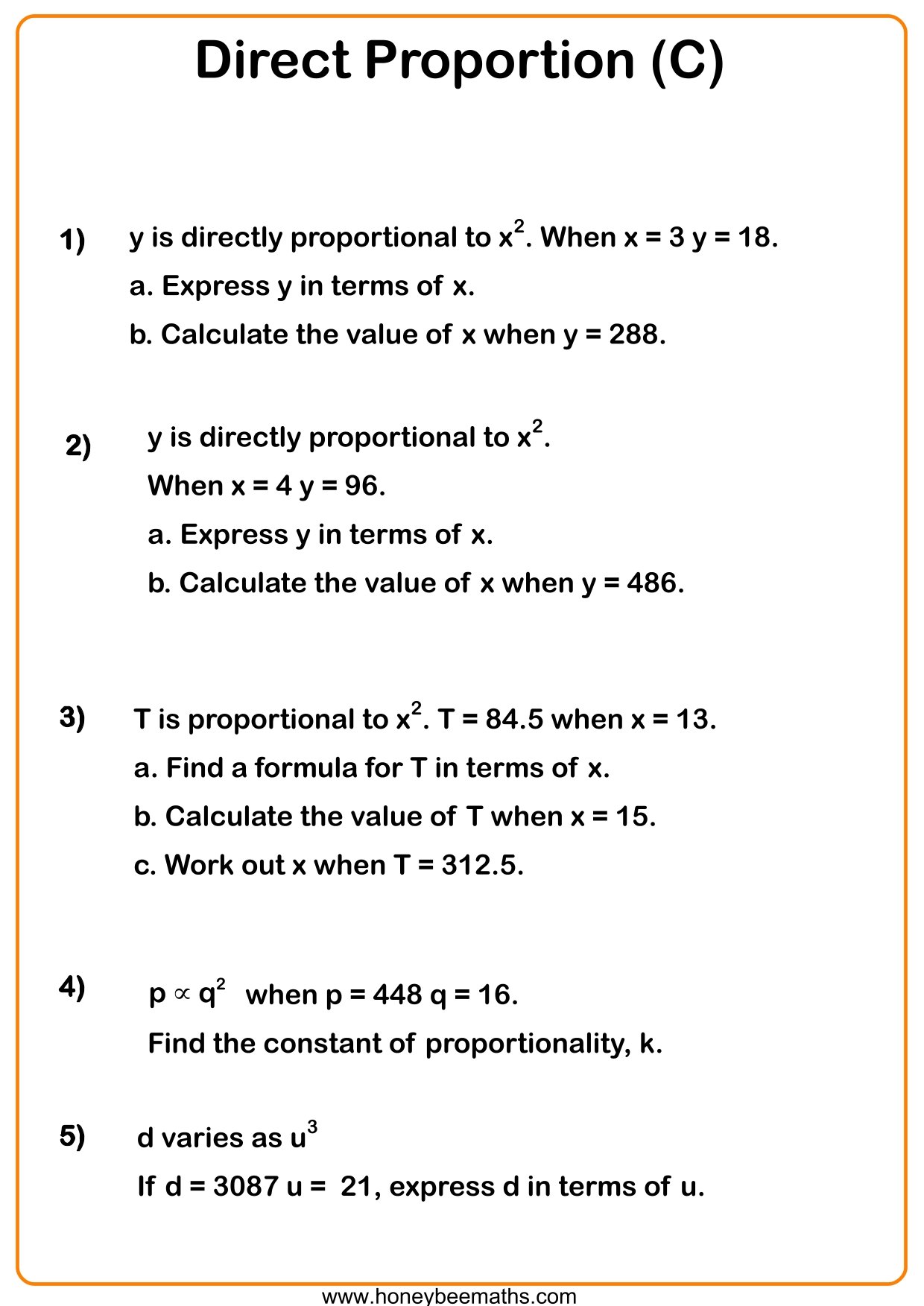
In number and algebra, students continue working with percentages, ratio, standard form, indices and surds. They solve more complex equations, including simultaneous equations and quadratic equations, and further develop their understanding of functions, algebraic manipulation and graphical methods. Students are expected to combine multiple algebraic skills within extended problem-solving questions.
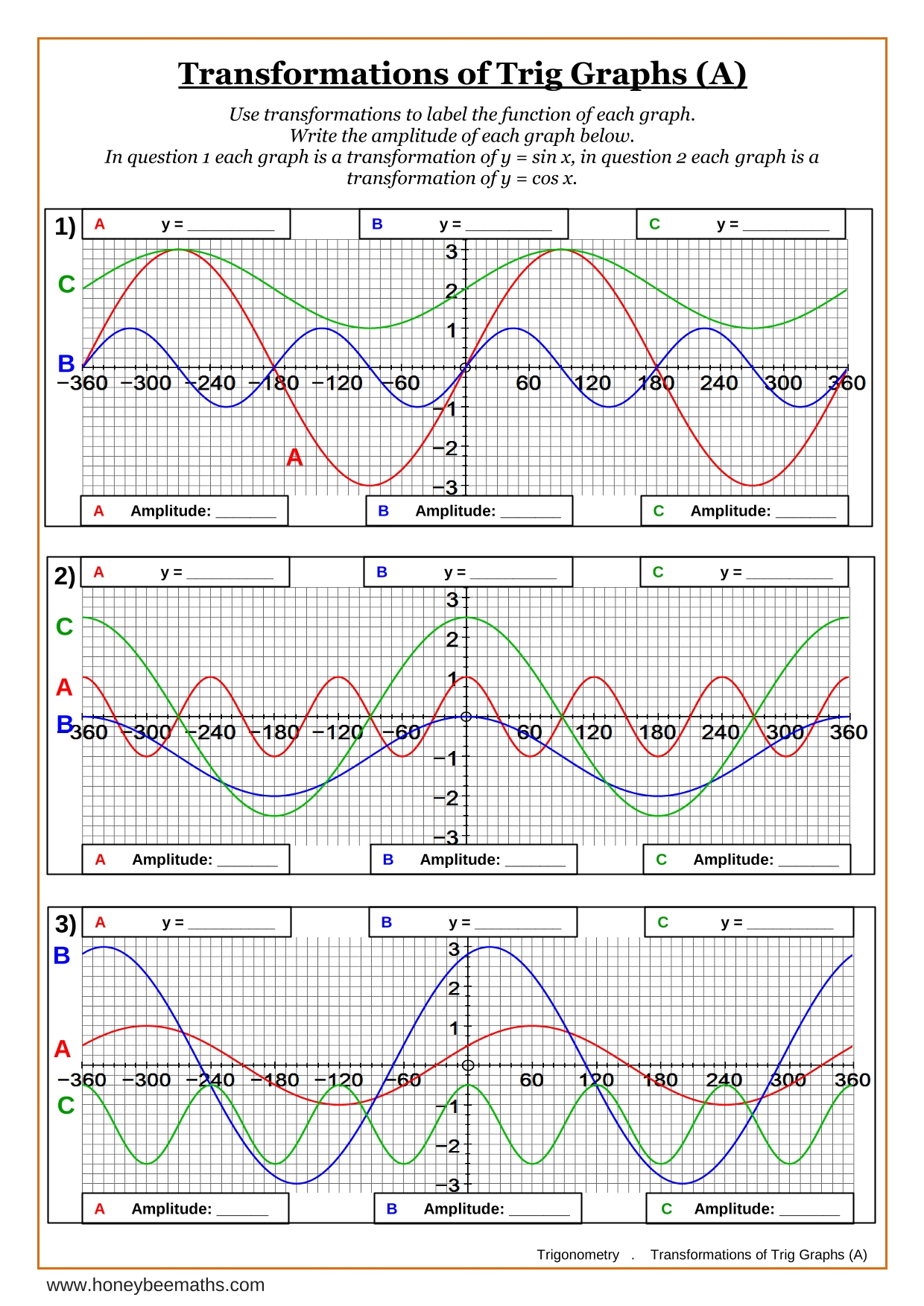
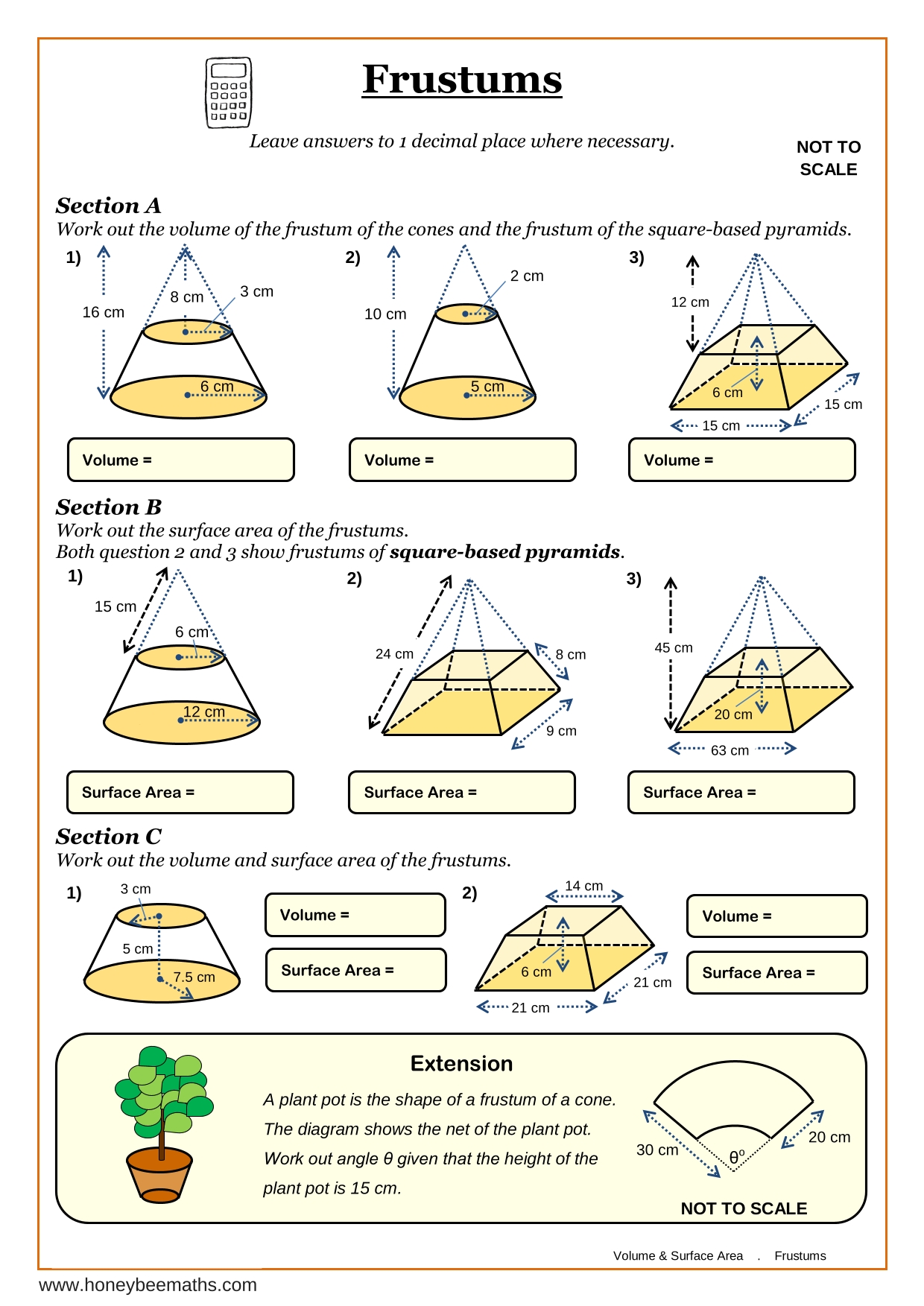
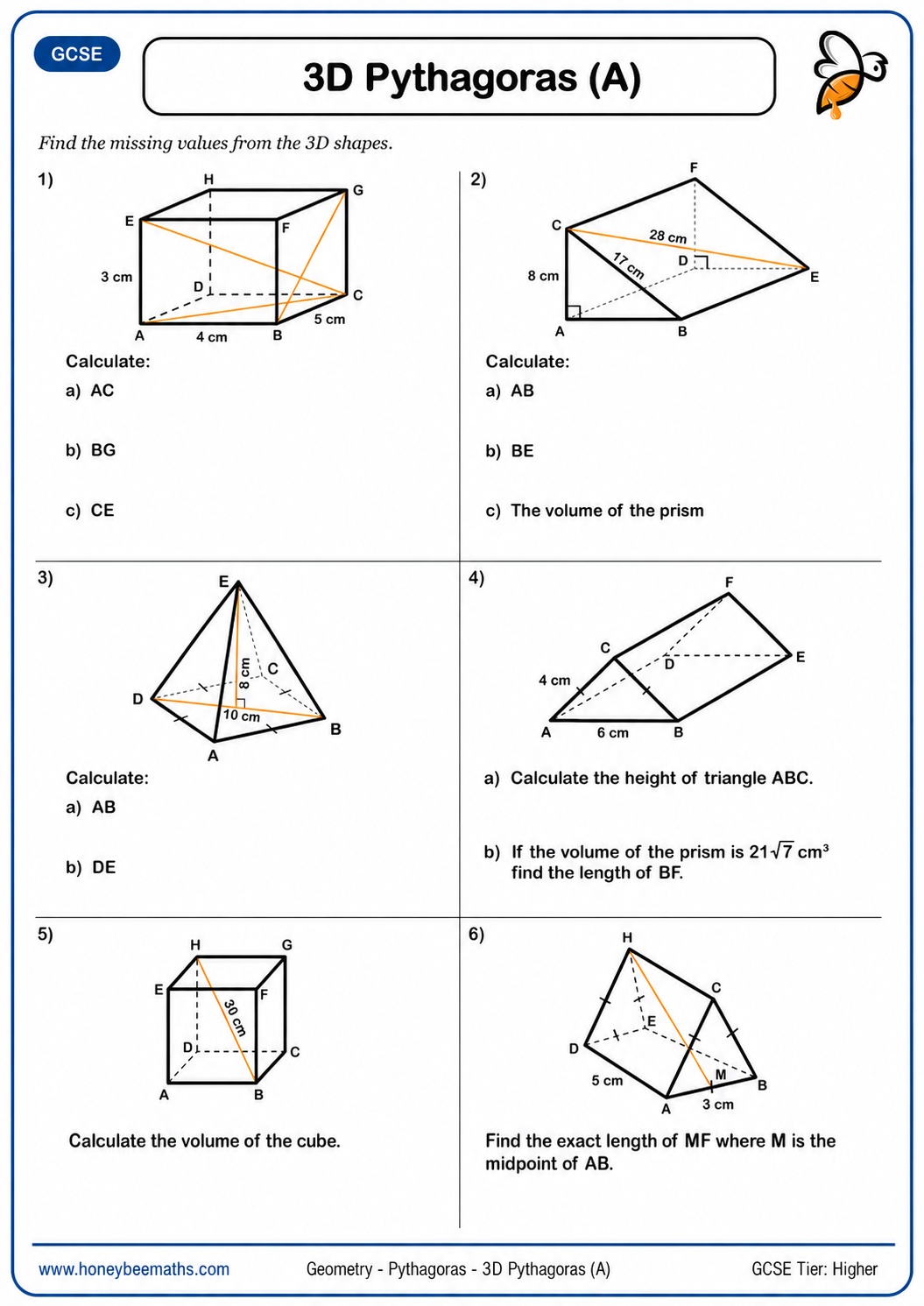
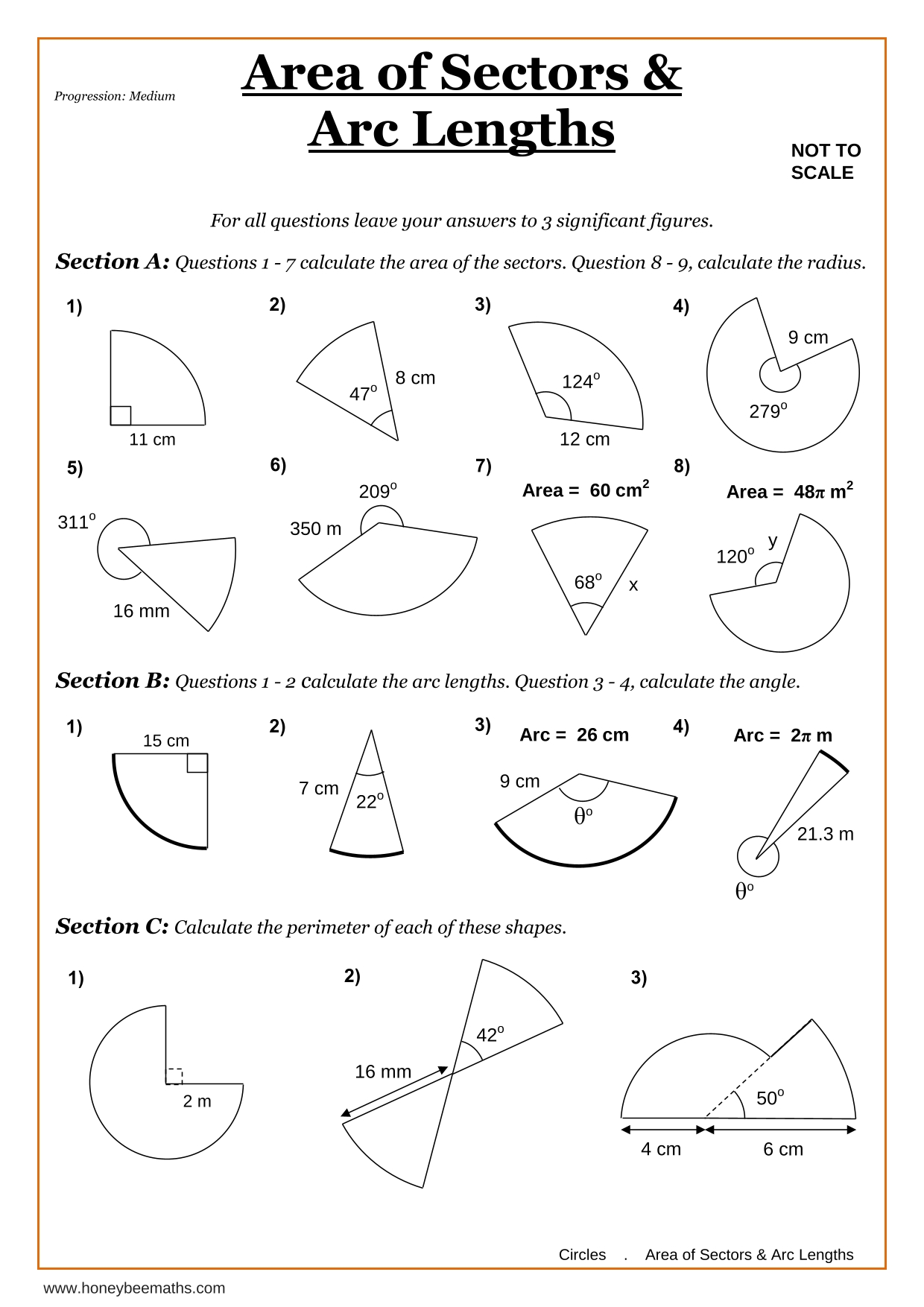
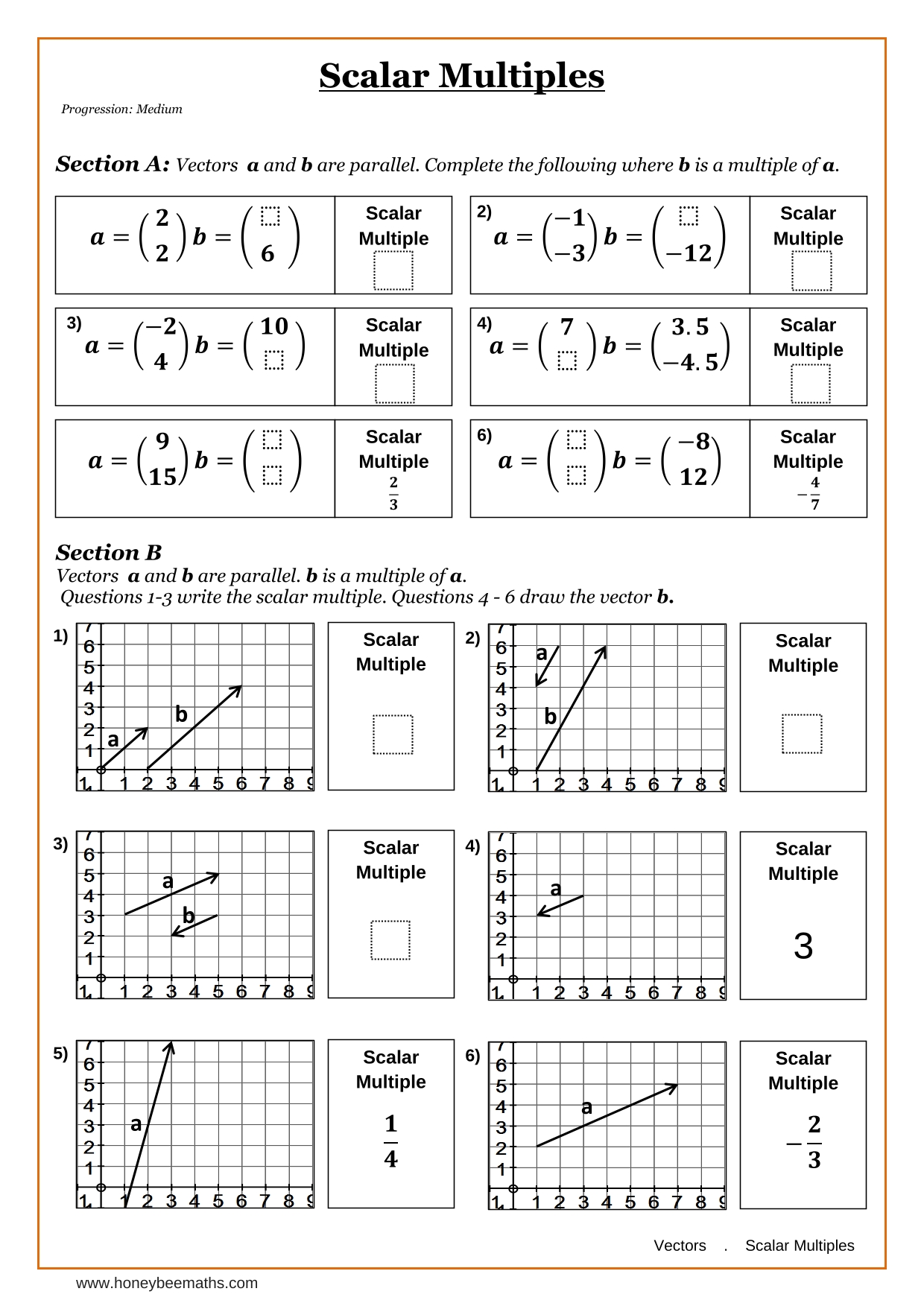
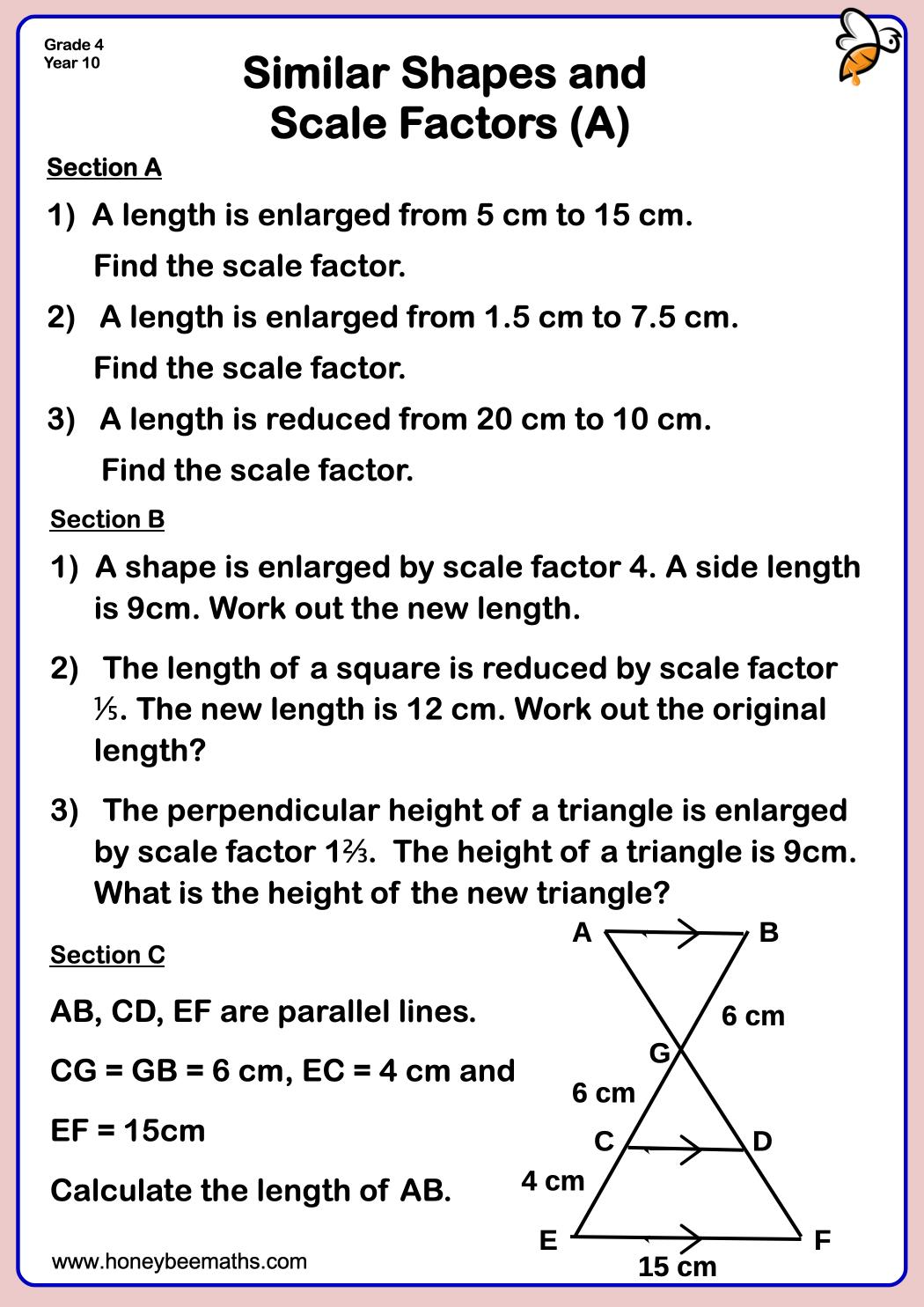
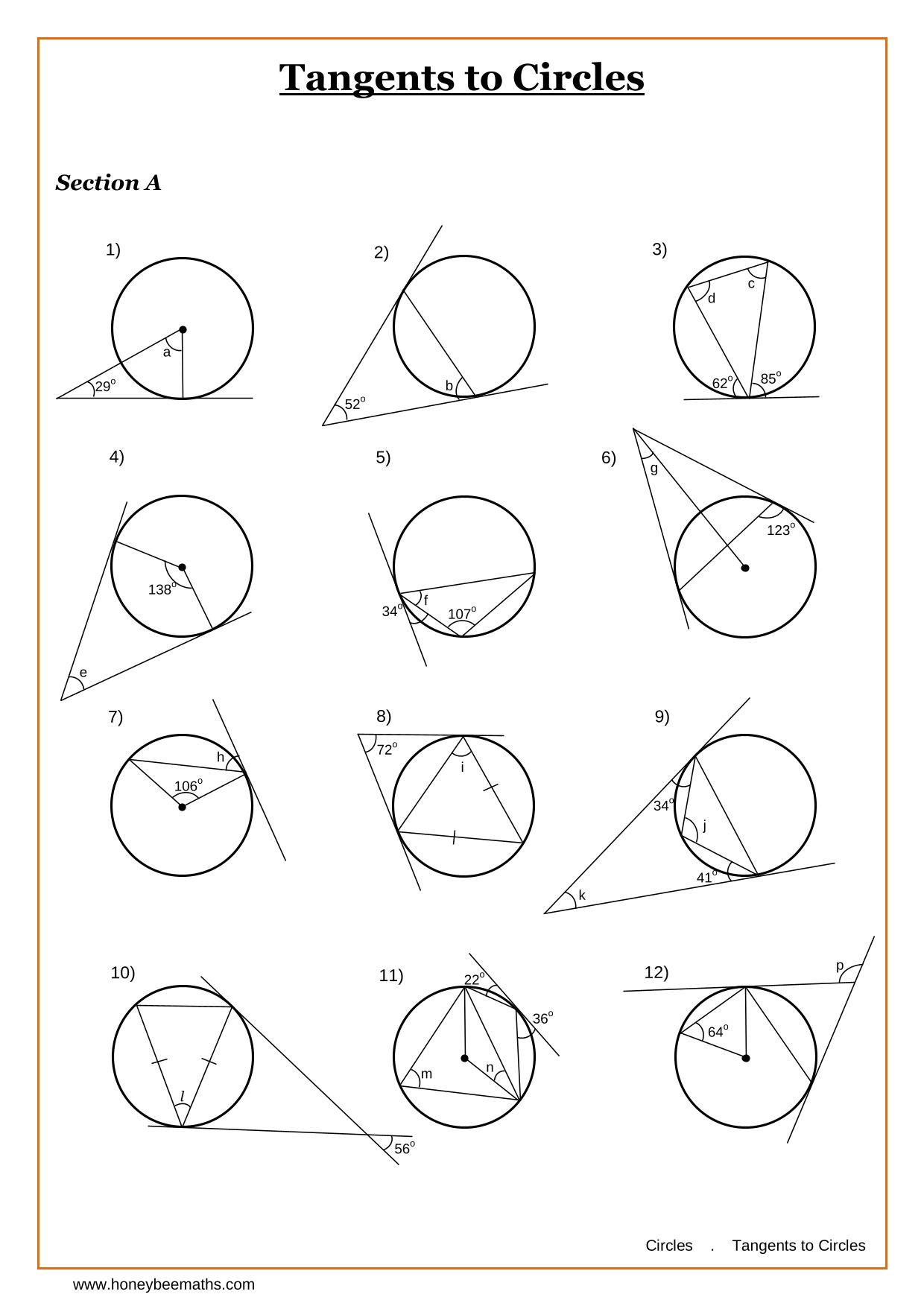
Geometry topics include circle theorems, trigonometry, similarity, congruence, vectors and constructions. Students solve increasingly demanding problems involving area, surface area and volume, including compound shapes and frustums. Trigonometric graphs and equations may also be studied by higher-tier students.
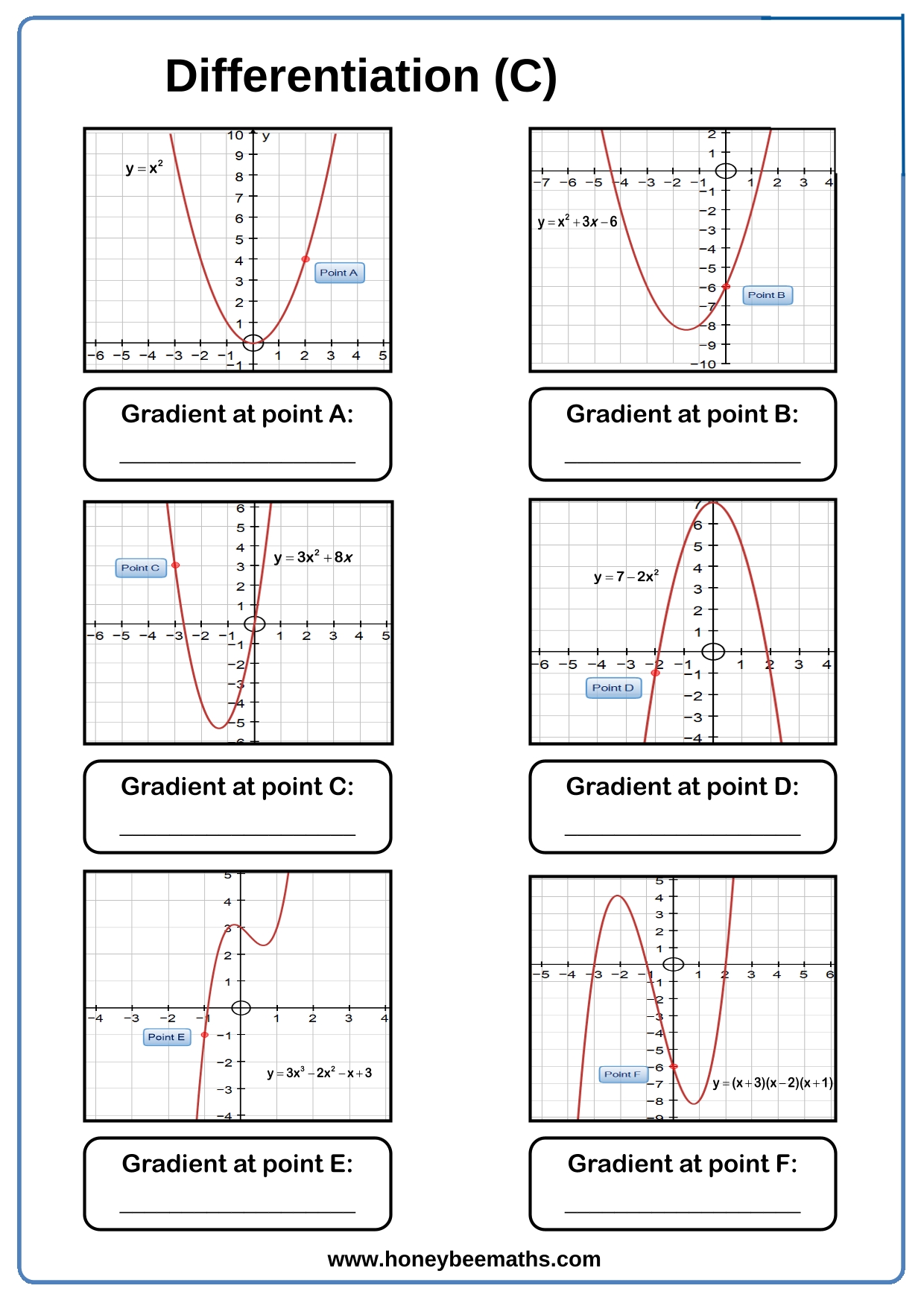
Statistics and probability remain important areas of study. Students interpret and analyse data using cumulative frequency graphs, histograms and other statistical diagrams. Probability topics include tree diagrams, conditional probability and more advanced probability calculations.
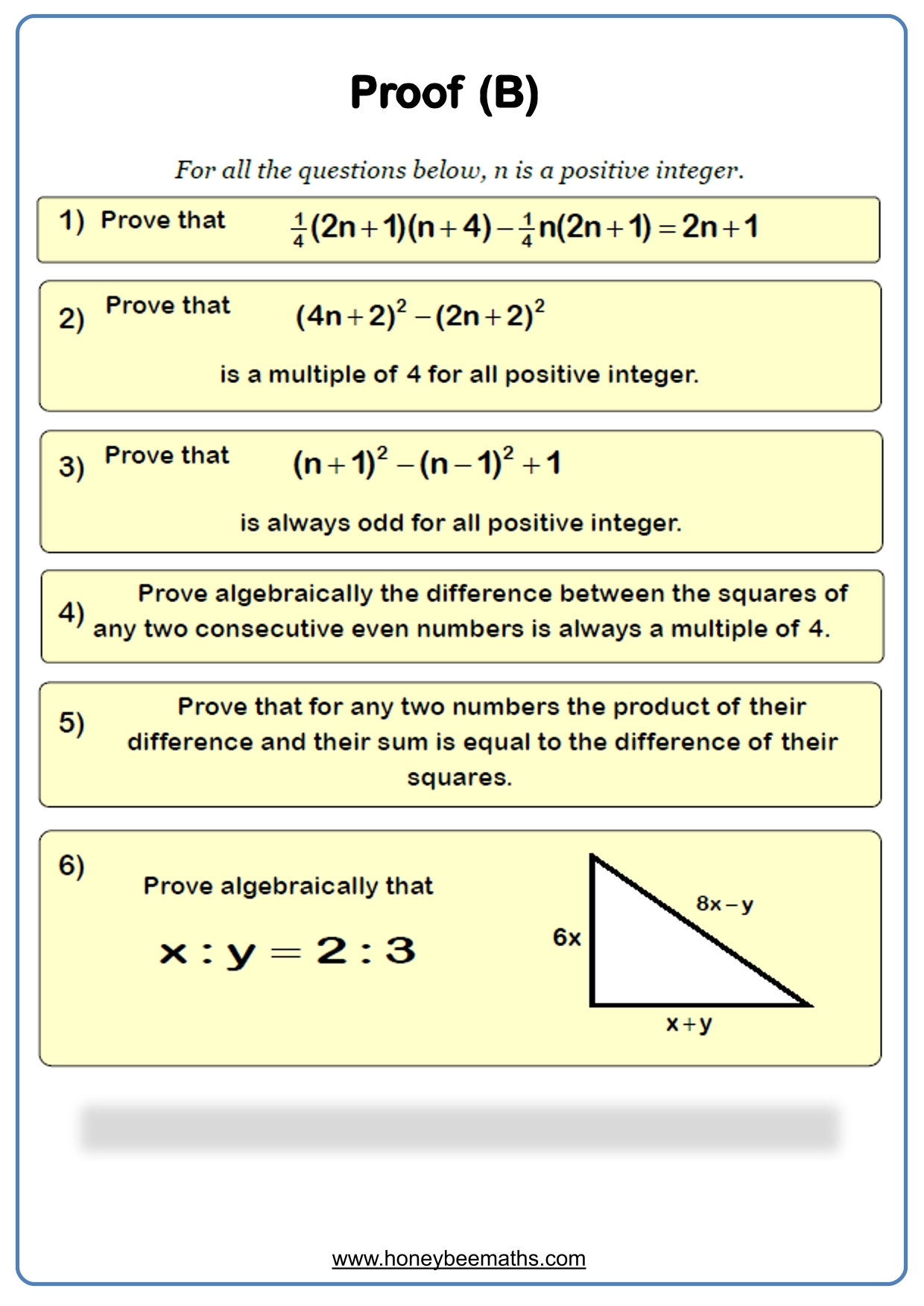
Throughout Year 11, a strong emphasis is placed on mathematical reasoning, problem-solving and exam technique. Students learn to apply mathematical methods in unfamiliar contexts, justify their solutions and communicate their reasoning clearly. These skills are essential for achieving success in GCSE mathematics and provide a strong foundation for further study in mathematics, science and related subjects.