
Year 3 Maths Worksheets | Printable PDFs
What is taught in Year 3 Maths?
In Year 3 Maths, children continue to develop their understanding of number and place value while becoming more confident with written methods of addition, subtraction, multiplication and division. Pupils learn and practise the times tables, solve number problems and begin working with larger numbers and more complex calculations.Throughout the year, children also study fractions, measurement, money, time, geometry and statistics. They learn to interpret charts and tables, calculate perimeter, recognise angles and explore properties of 2D and 3D shapes. These Year 3 Maths worksheets provide printable practice across all major curriculum topics, helping pupils build fluency, accuracy and confidence as they progress through Key Stage 2.
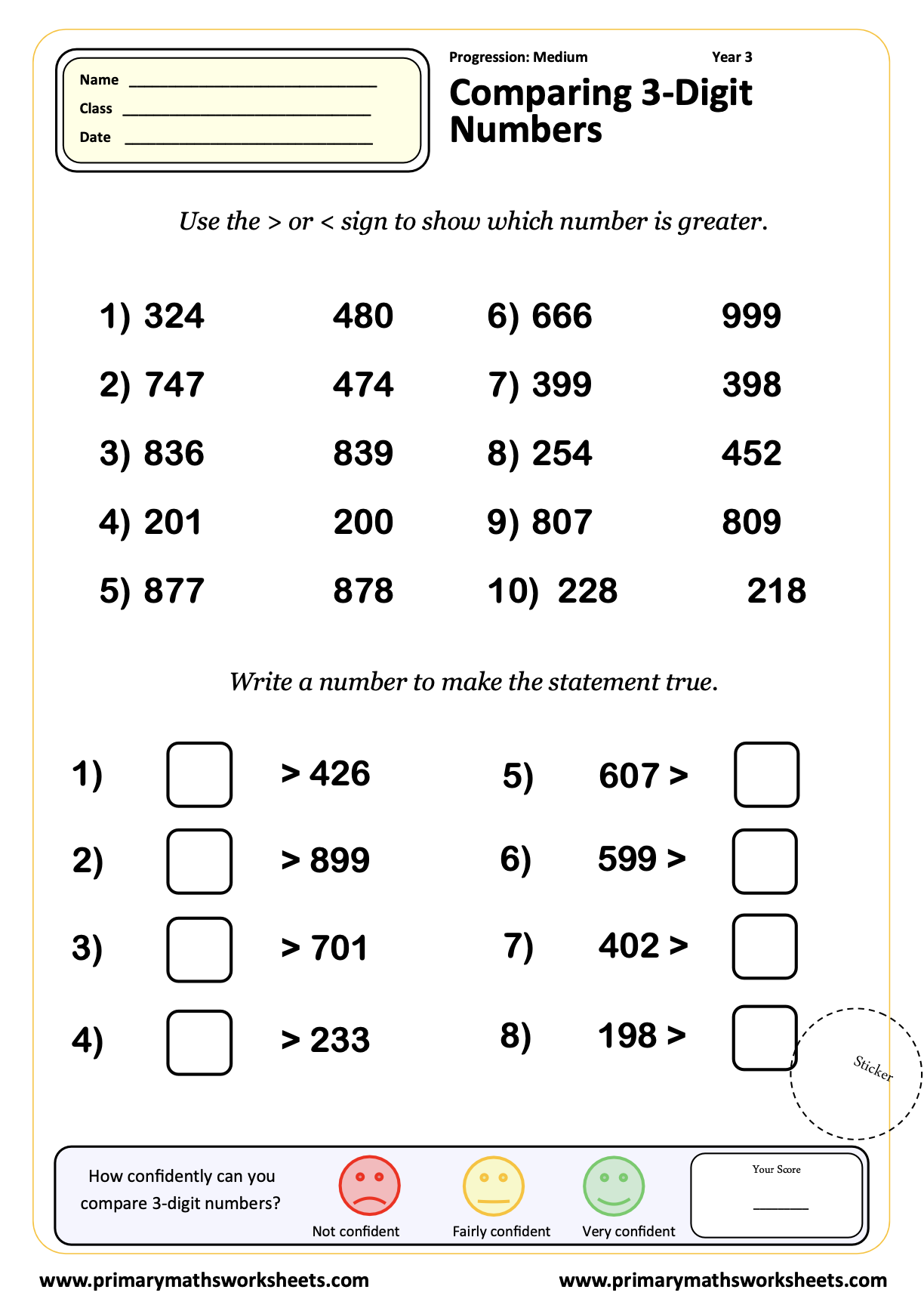
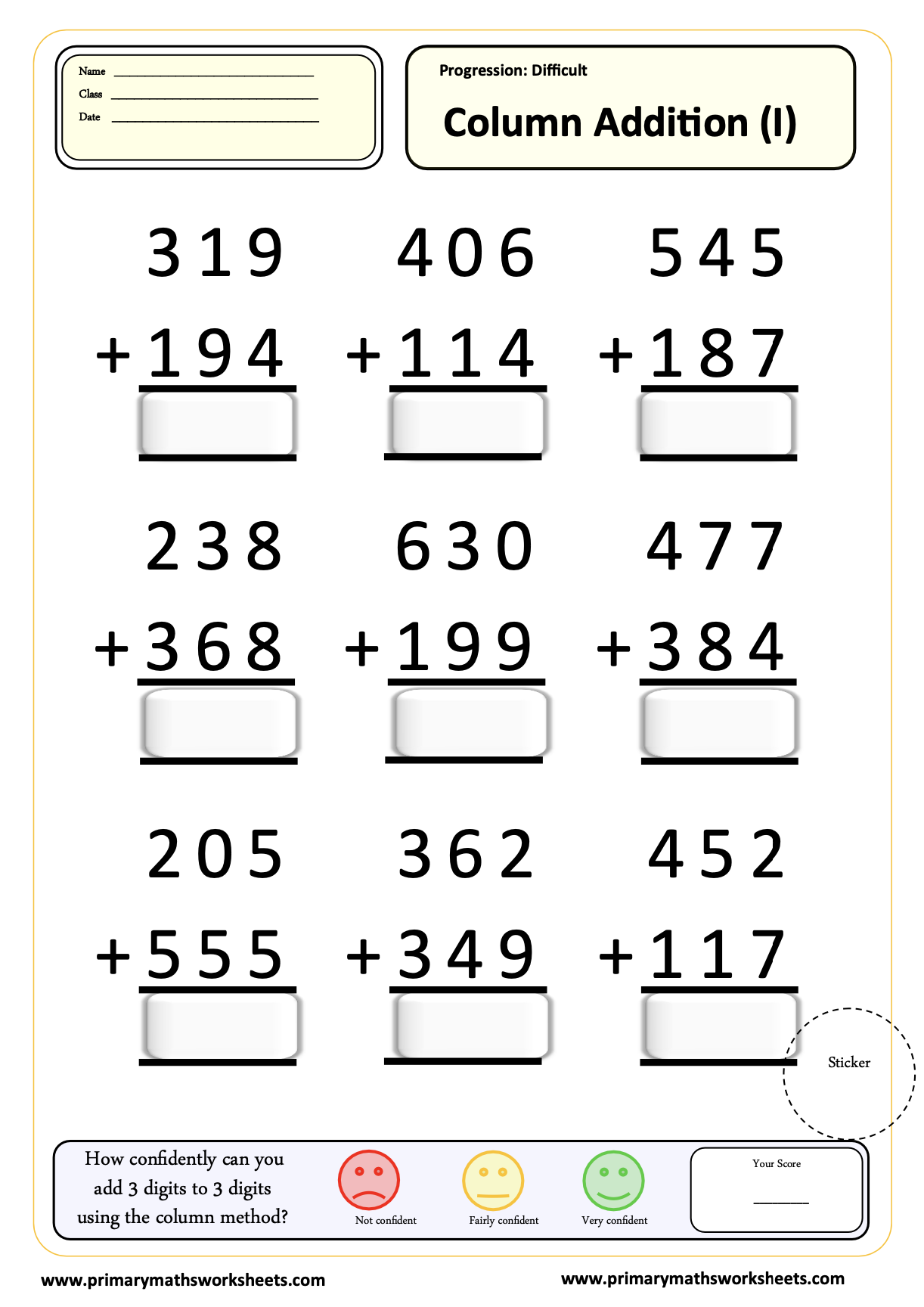
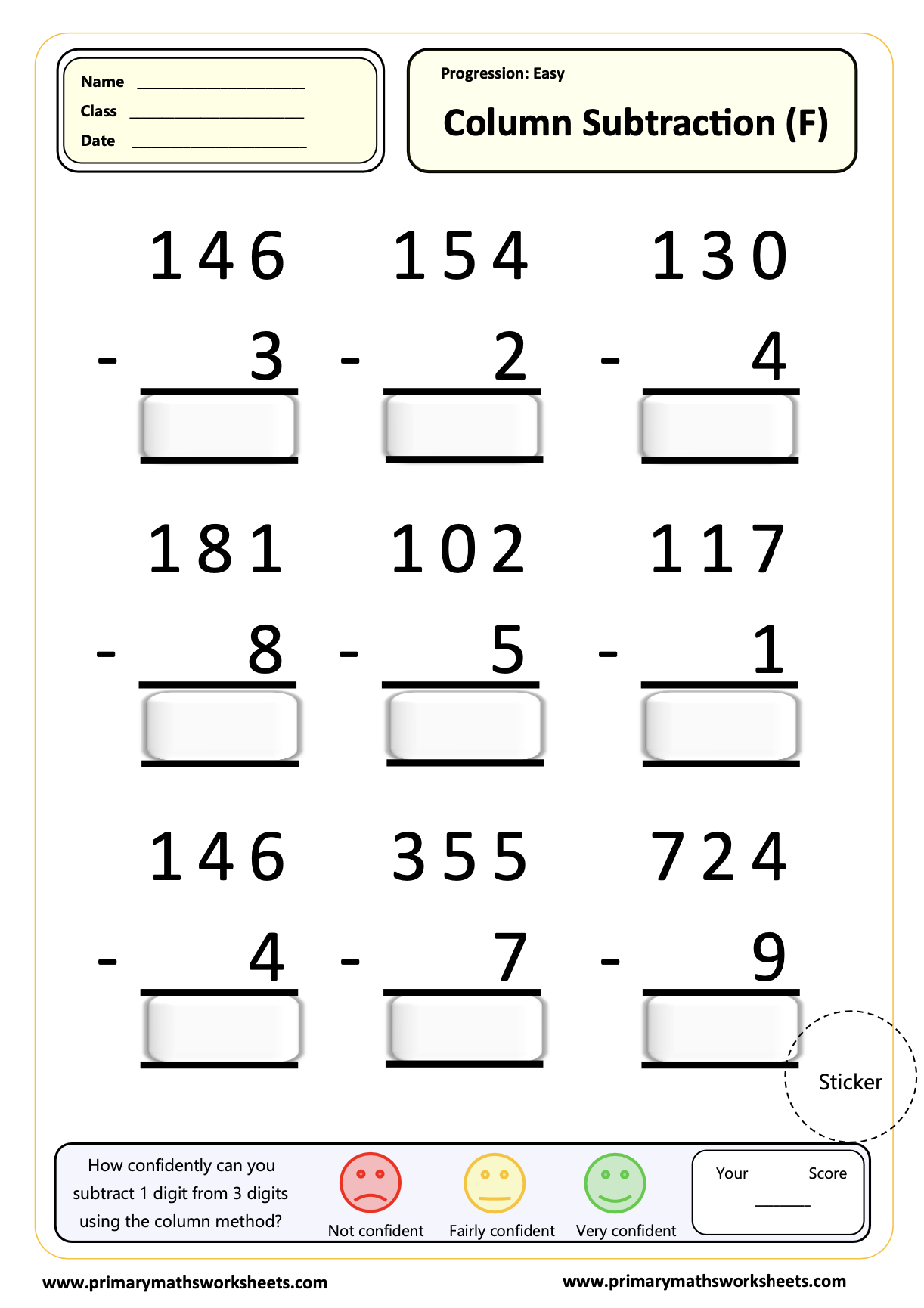
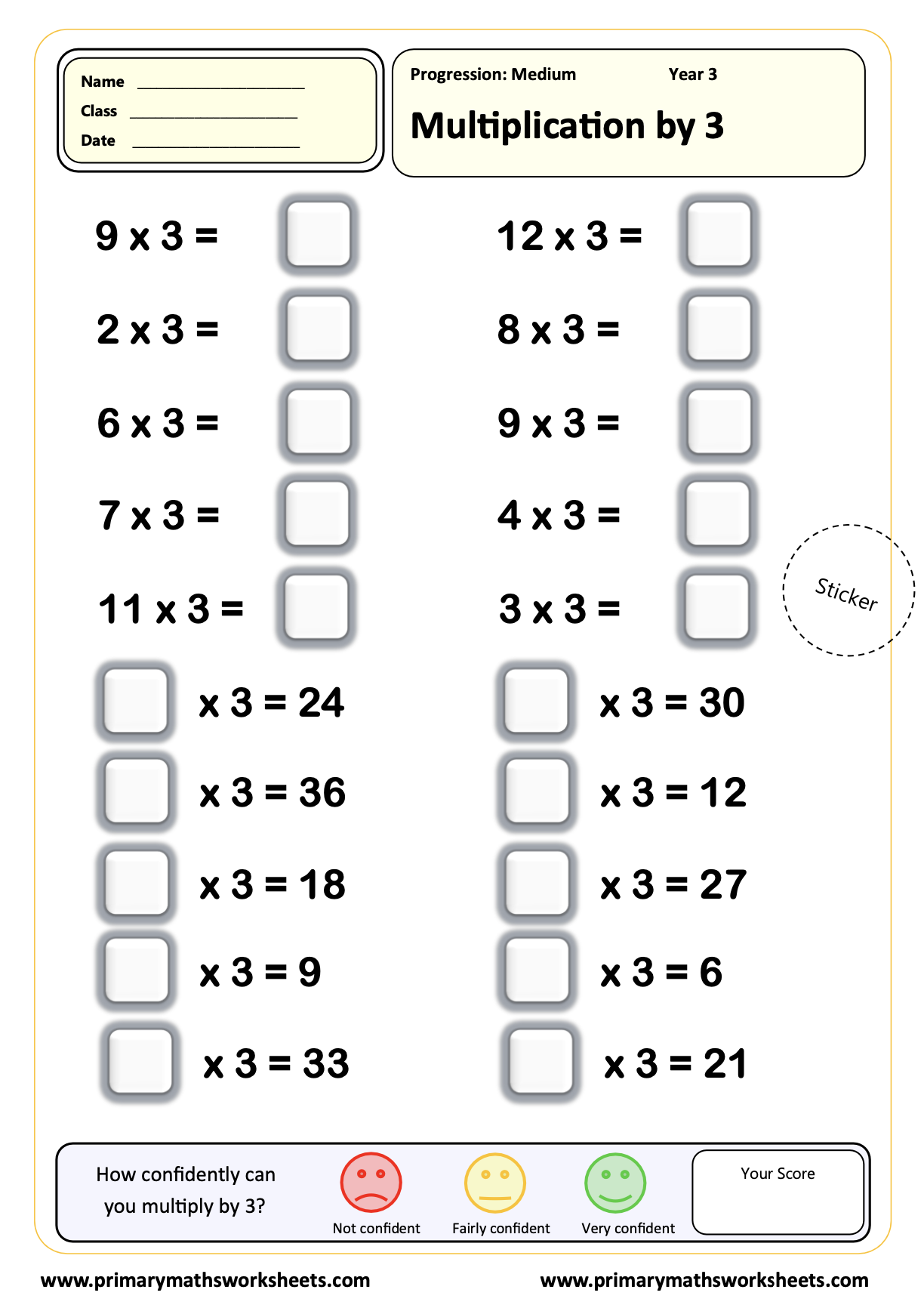
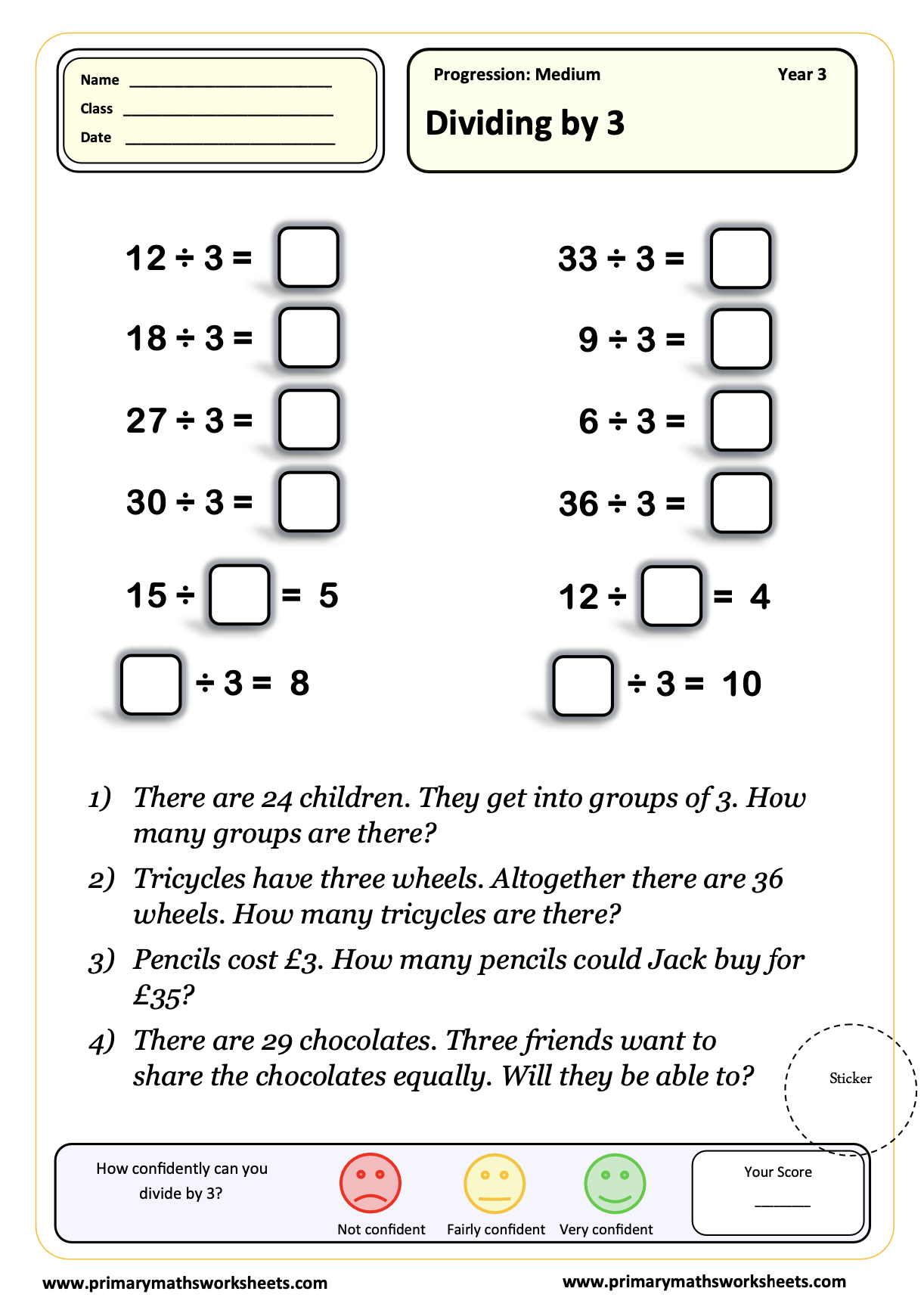
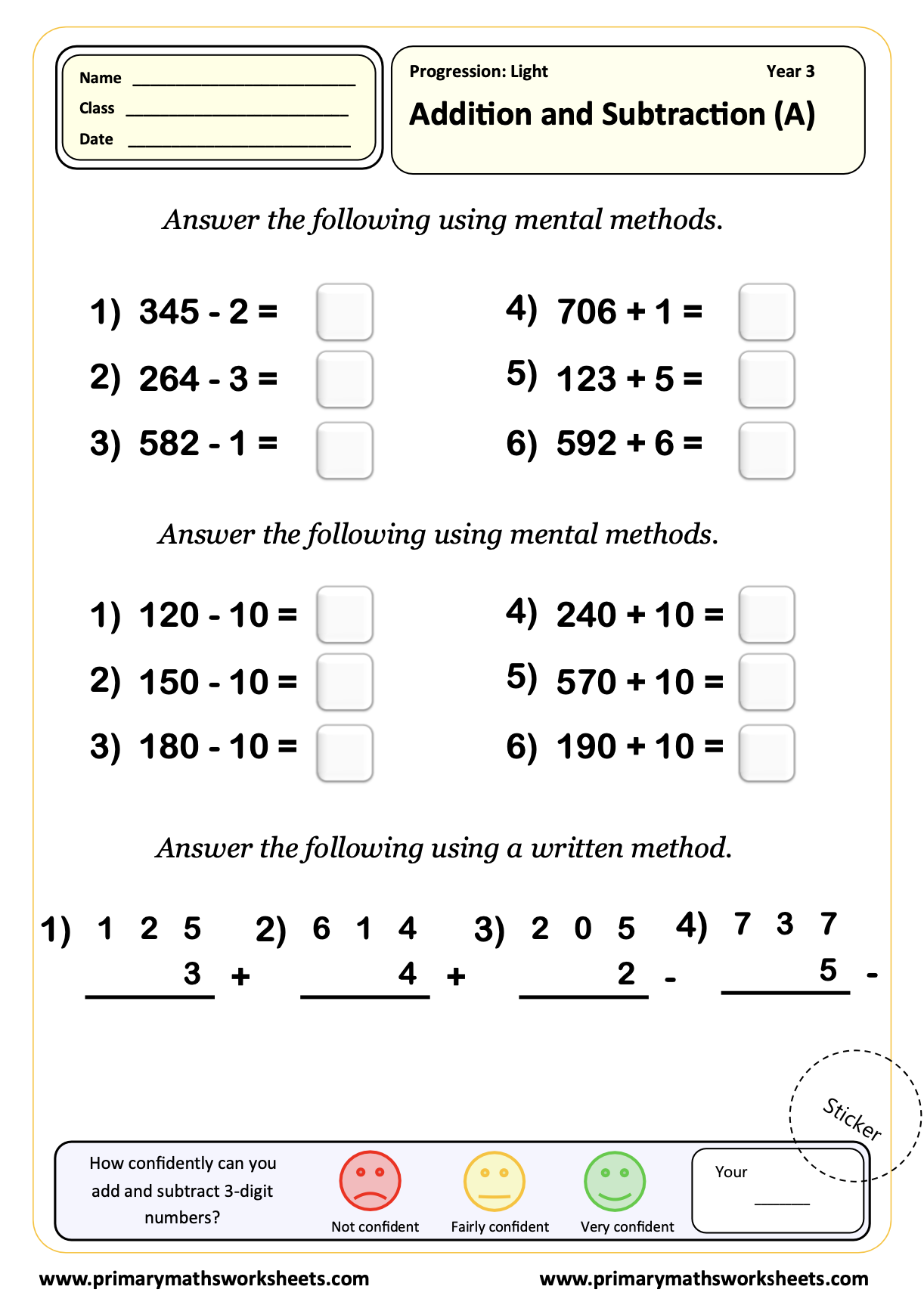
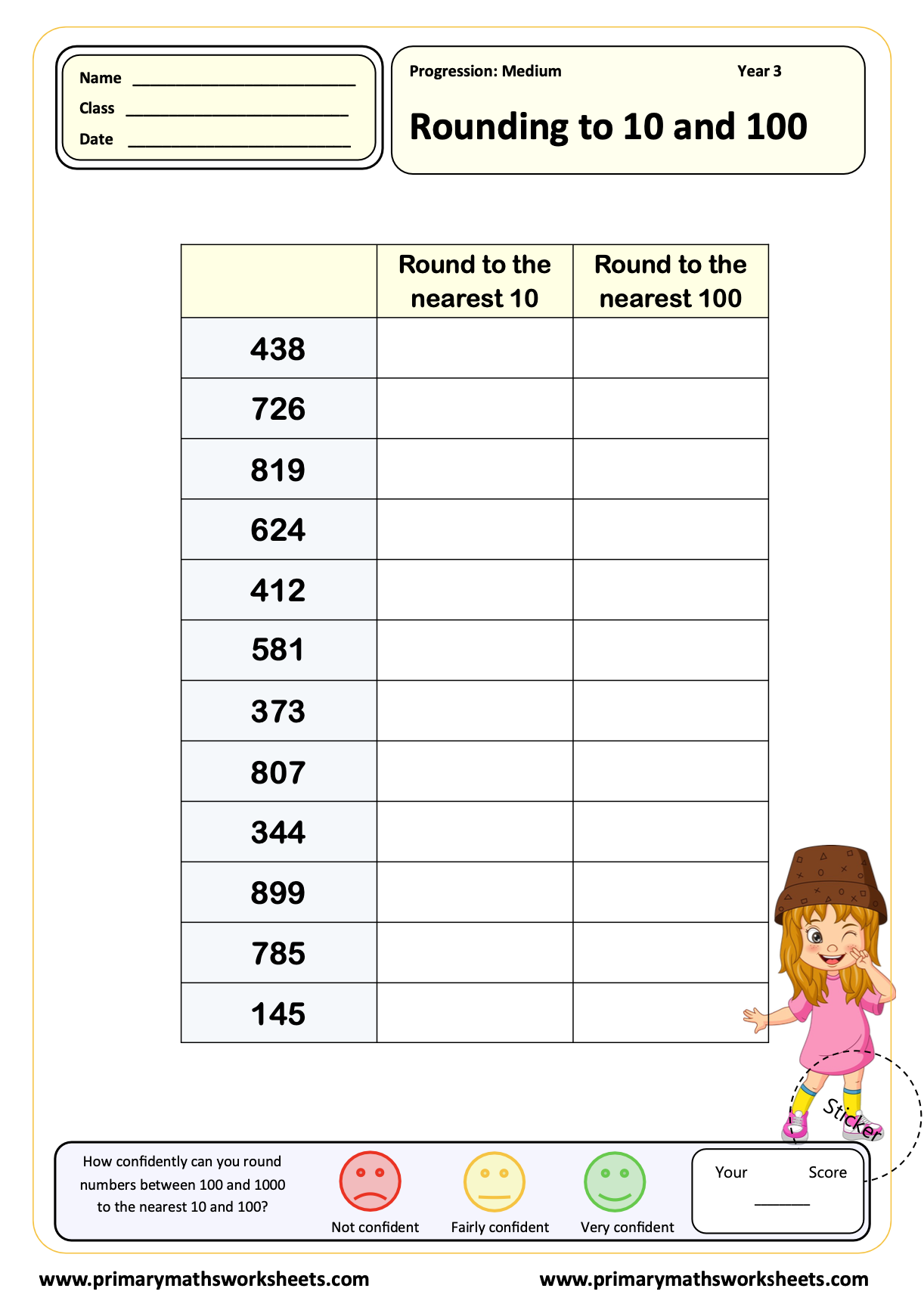
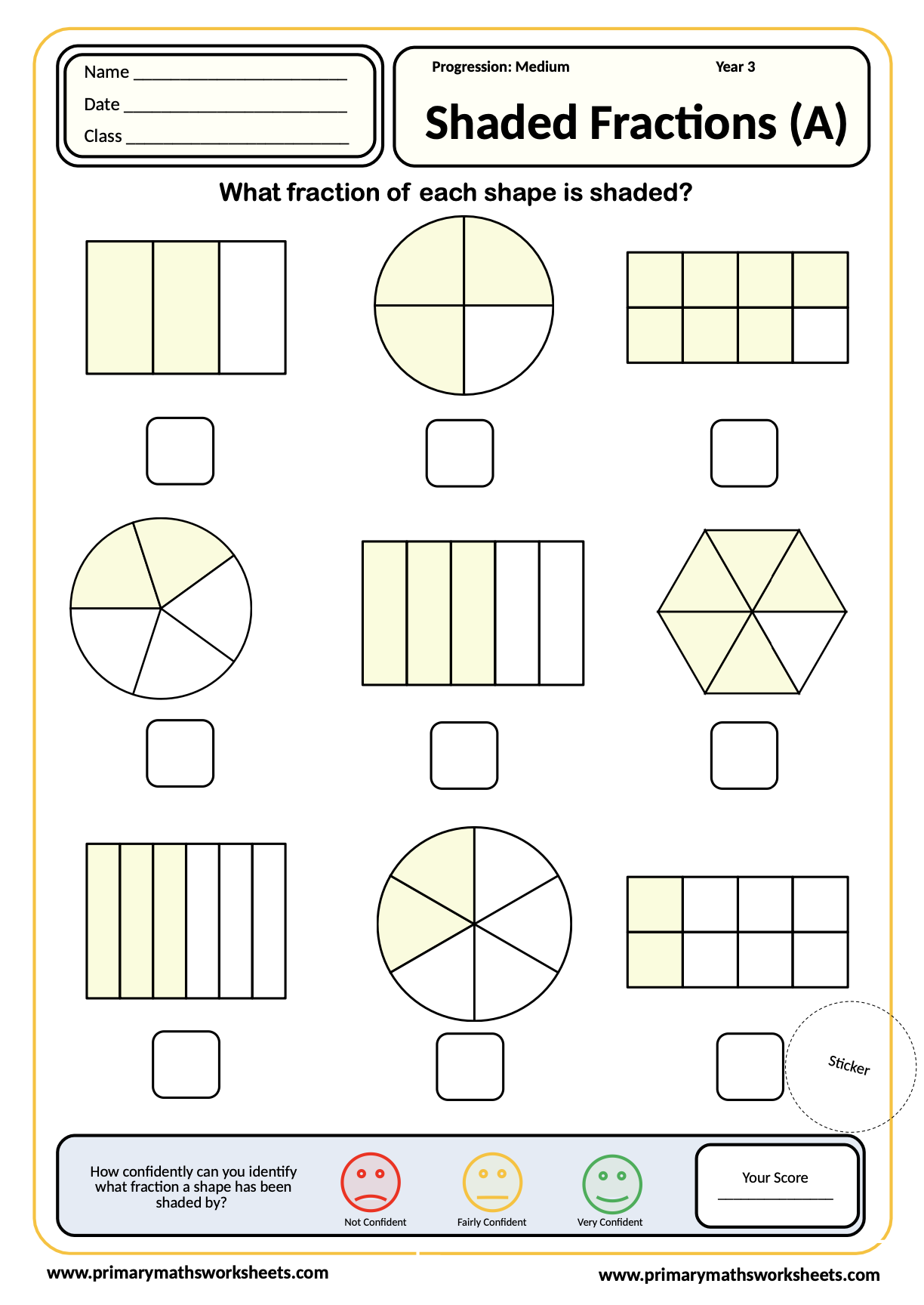
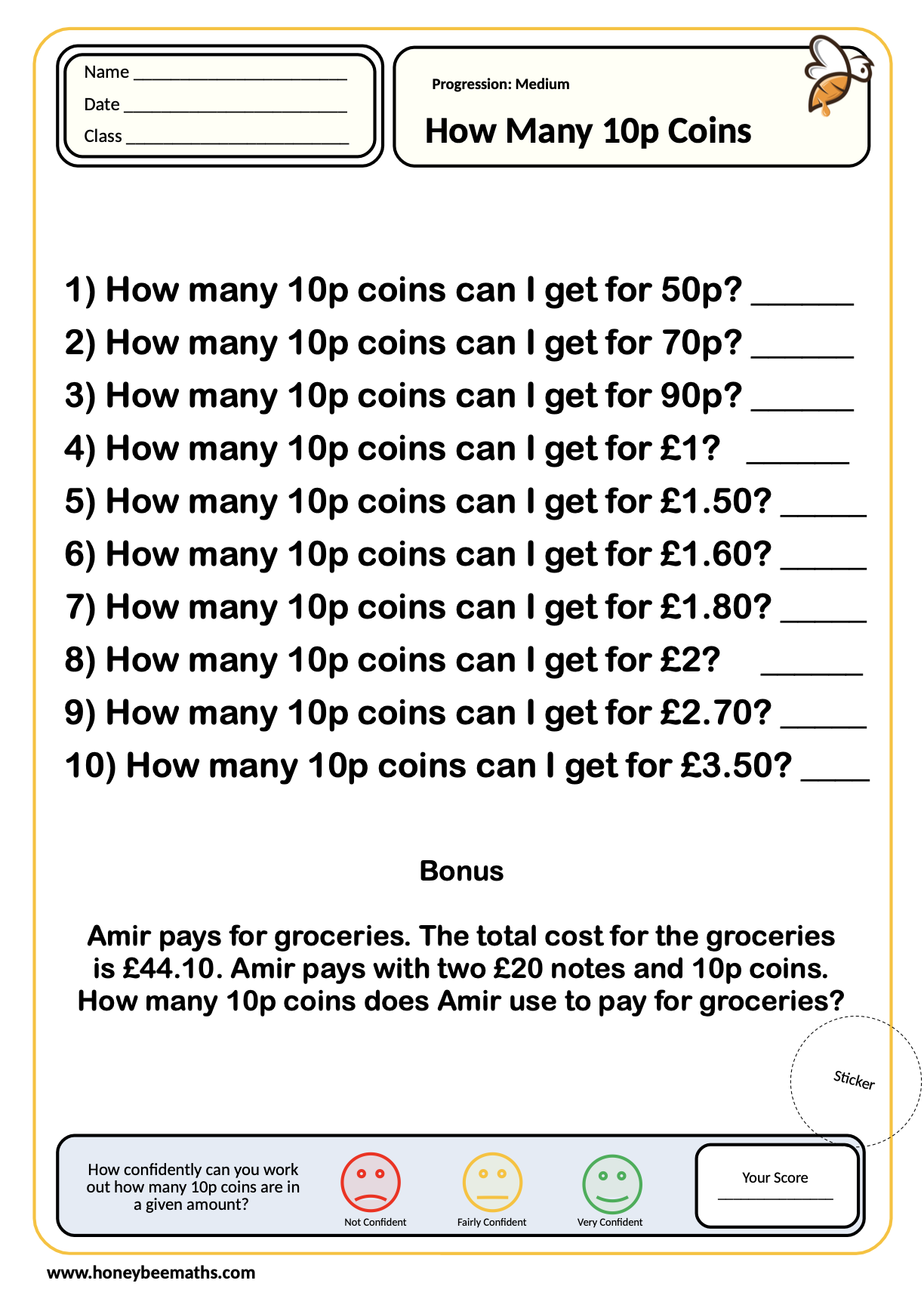
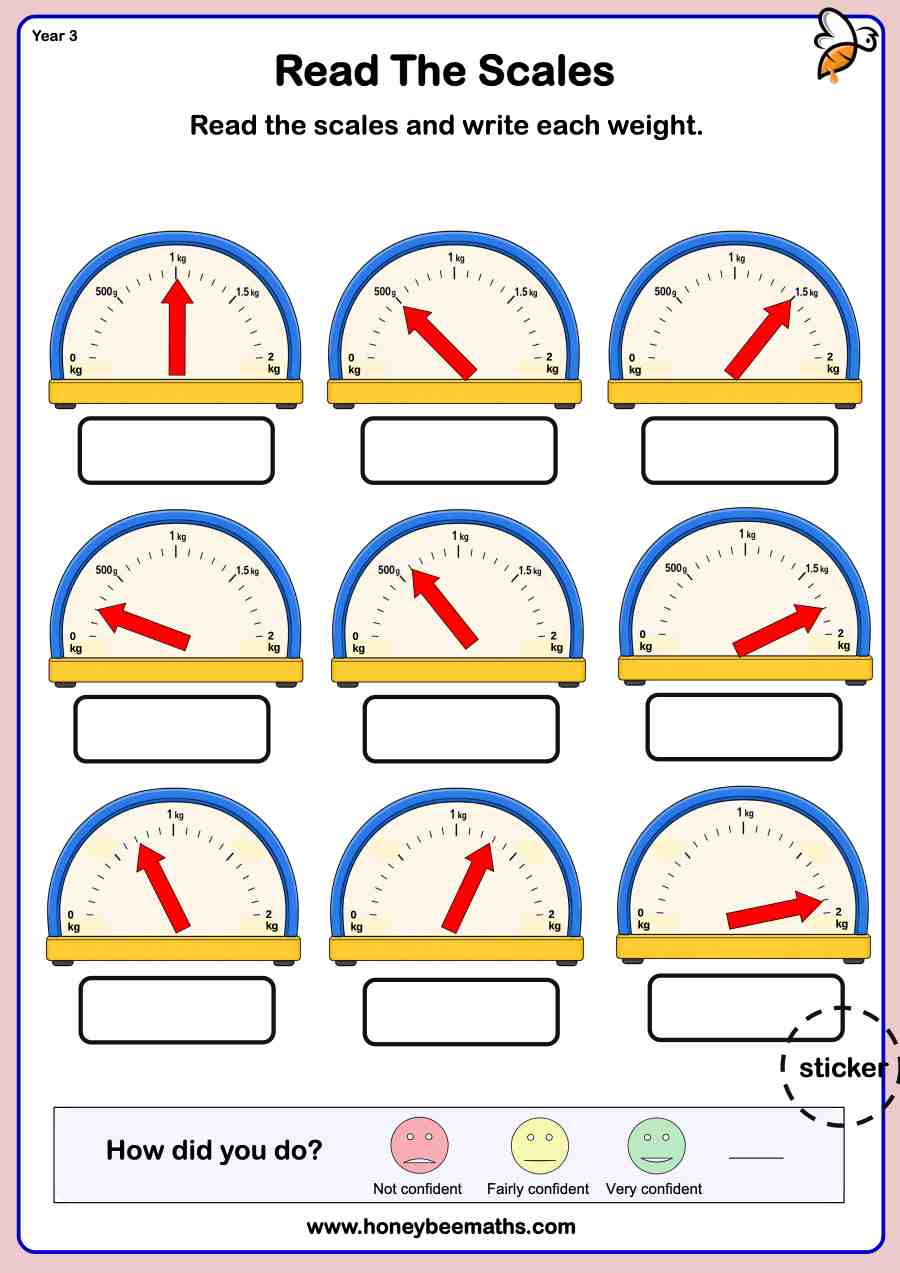
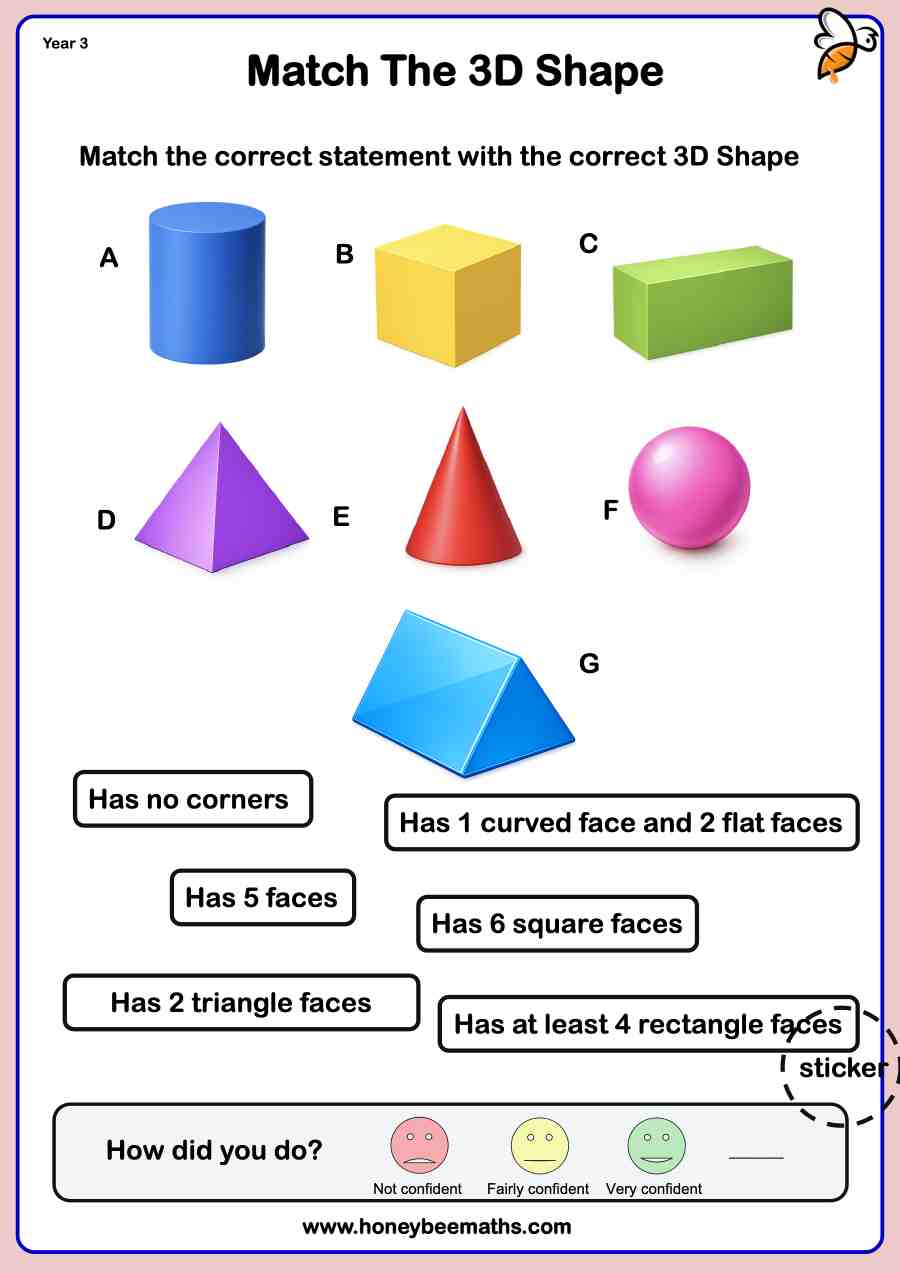
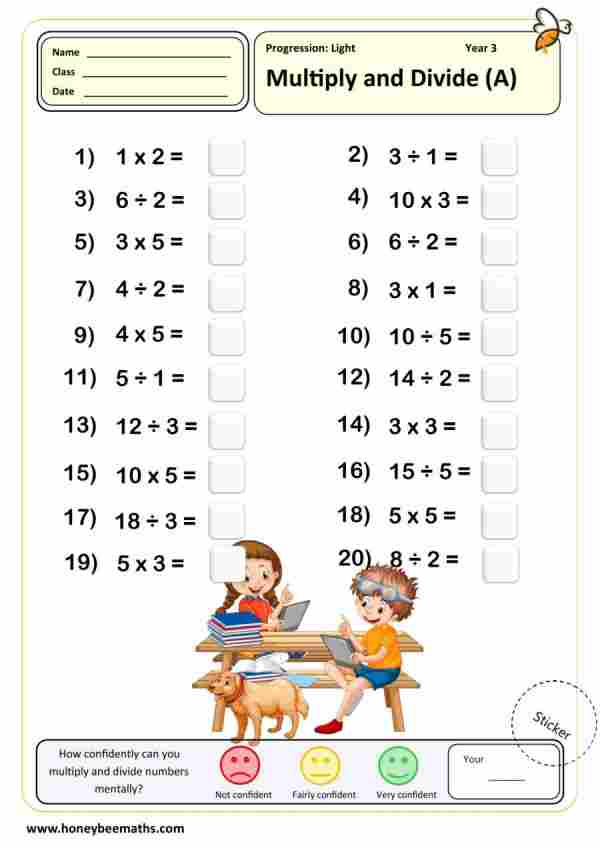
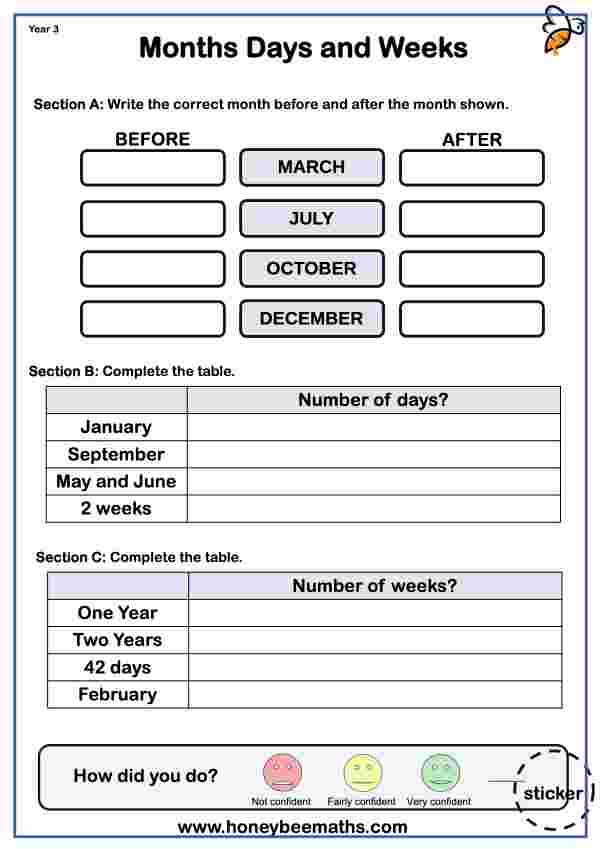
Year 3 maths marks the beginning of Key Stage 2 and introduces students to a wider range of mathematical concepts and problem-solving skills. Children continue to develop their understanding of place value by reading, writing, comparing and ordering numbers up to 1,000. They become more confident with addition and subtraction, using both mental methods and formal written calculations. Multiplication and division play a major role in Year 3 maths. Students learn the 3, 4 and 8 times tables alongside the 2, 5 and 10 times tables learned previously. They use these facts to solve multiplication and division problems involving larger numbers and real-life situations. Fractions are studied in greater depth, with children learning to recognise, compare and find fractions of amounts. They also begin working with money, measurement and time, including reading analogue and digital clocks and solving problems involving durations. Geometry topics include identifying and describing 2D and 3D shapes, recognising right angles and exploring turns and angles. Children also collect and interpret data using bar charts, pictograms and tables. Throughout Year 3, students are encouraged to explain their reasoning, identify patterns and apply their maths skills to a variety of problems. These topics help build the confidence and mathematical understanding needed for the more advanced work encountered in Years 4, 5 and 6.