Year 7 Maths Worksheets | Printable PDFs
What is taught in Year 7 Maths?
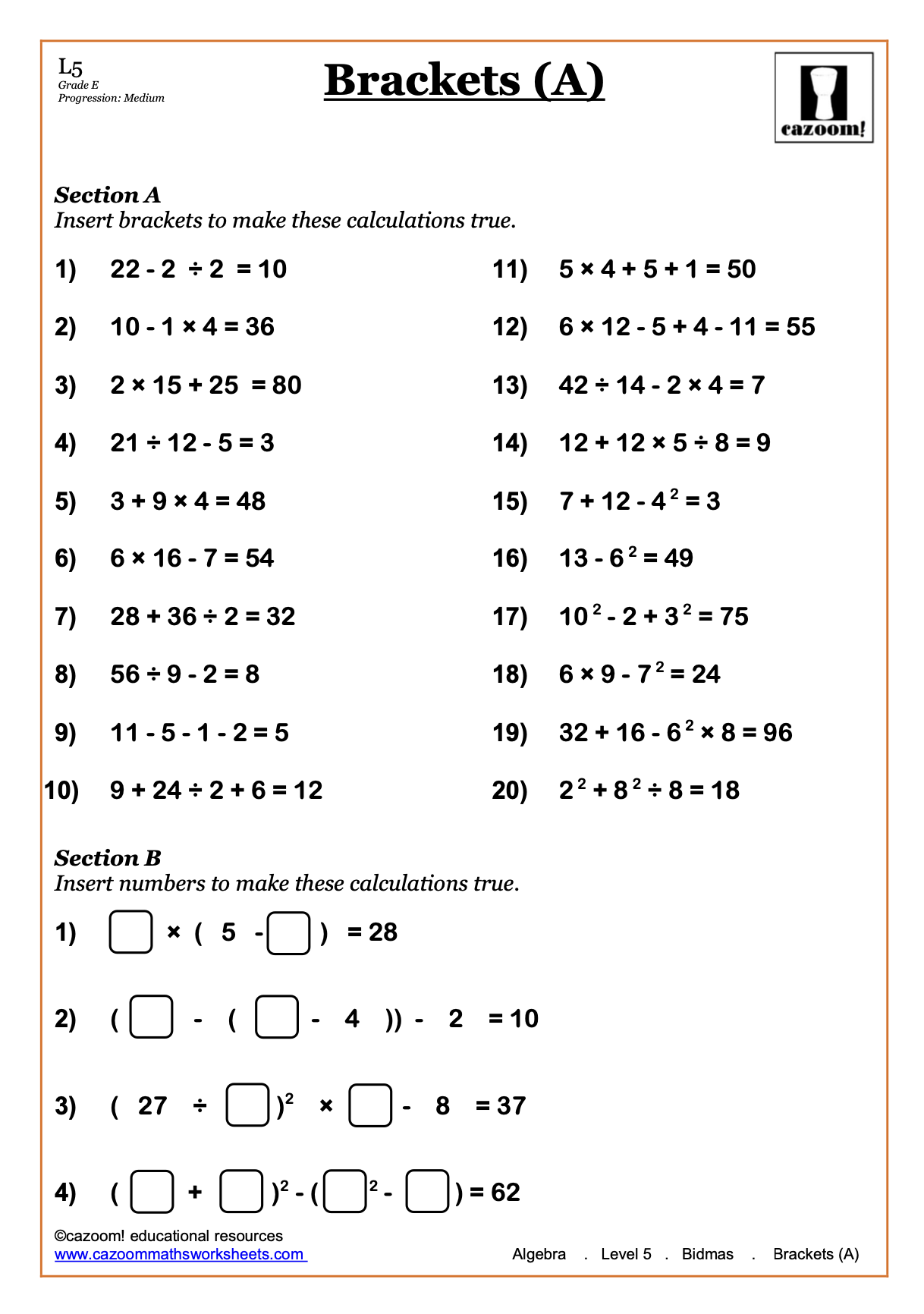
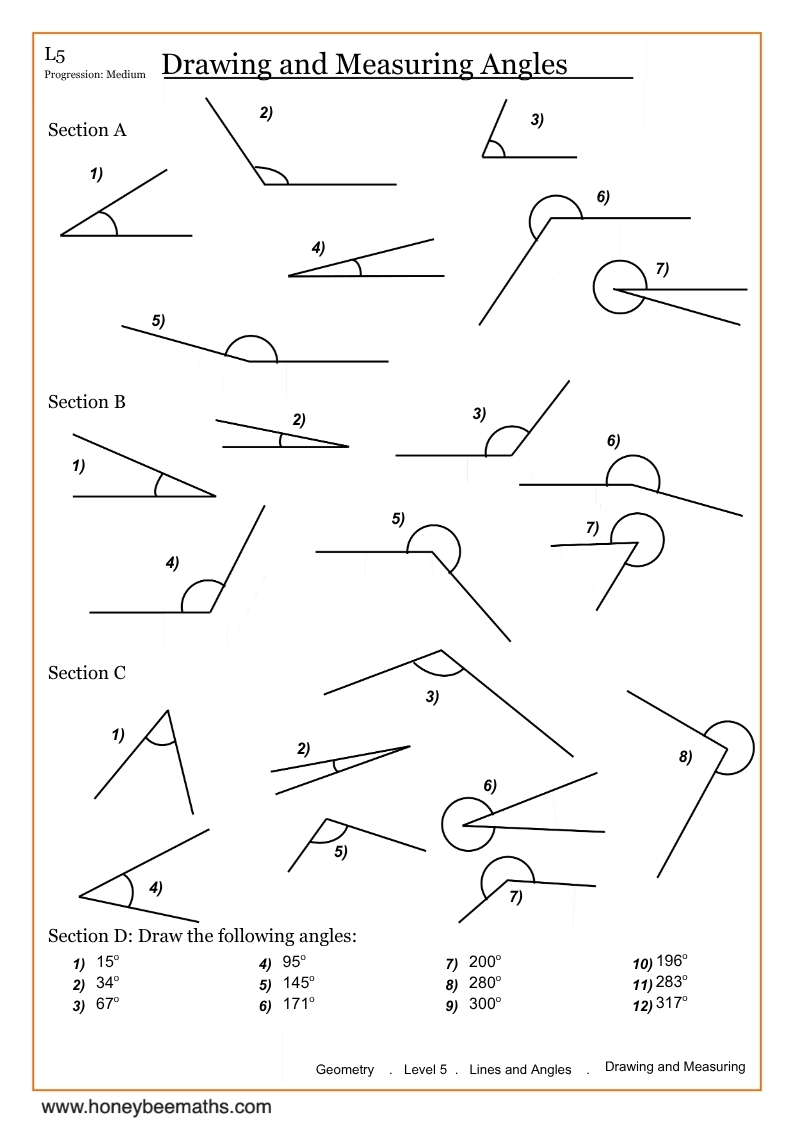
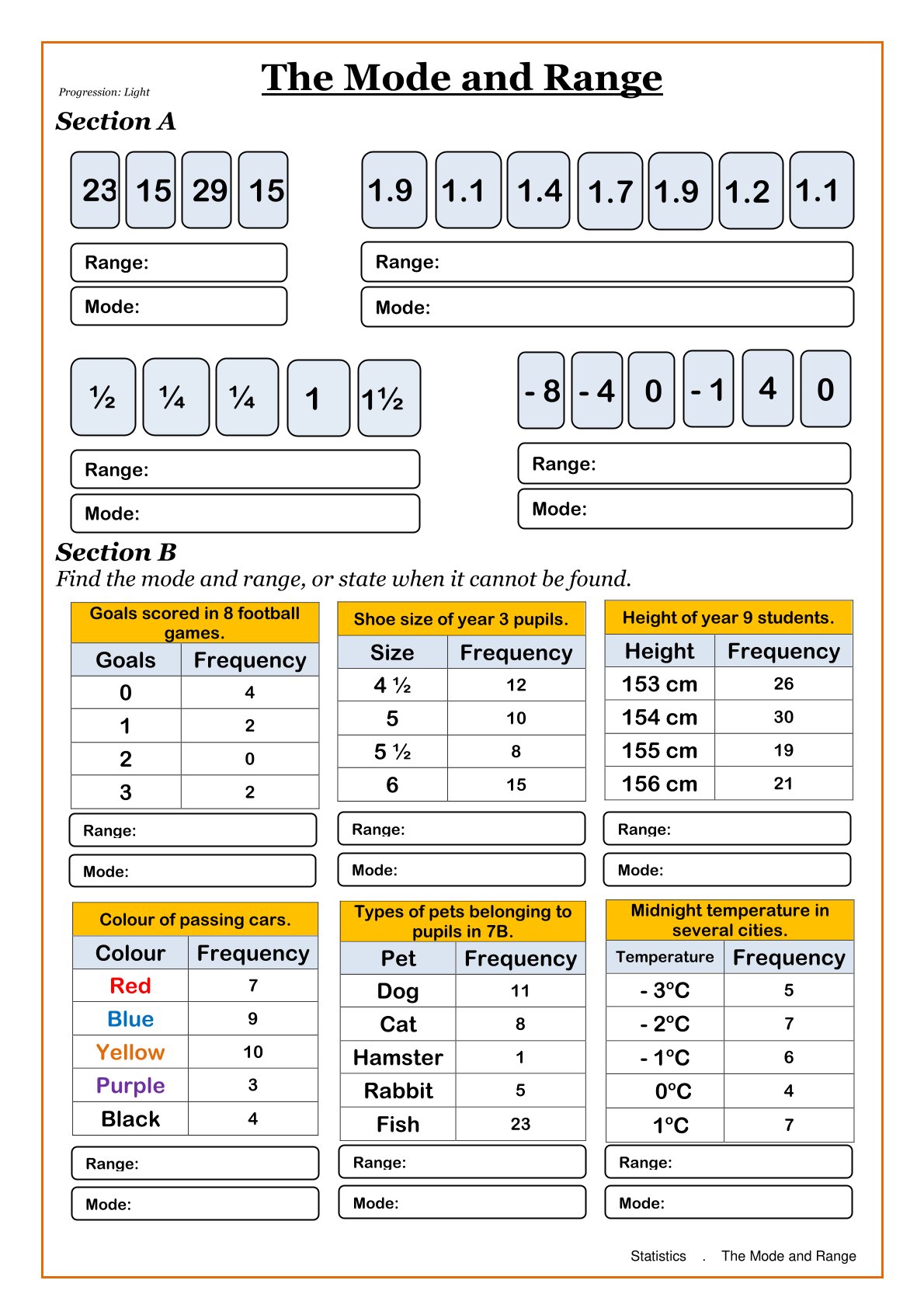
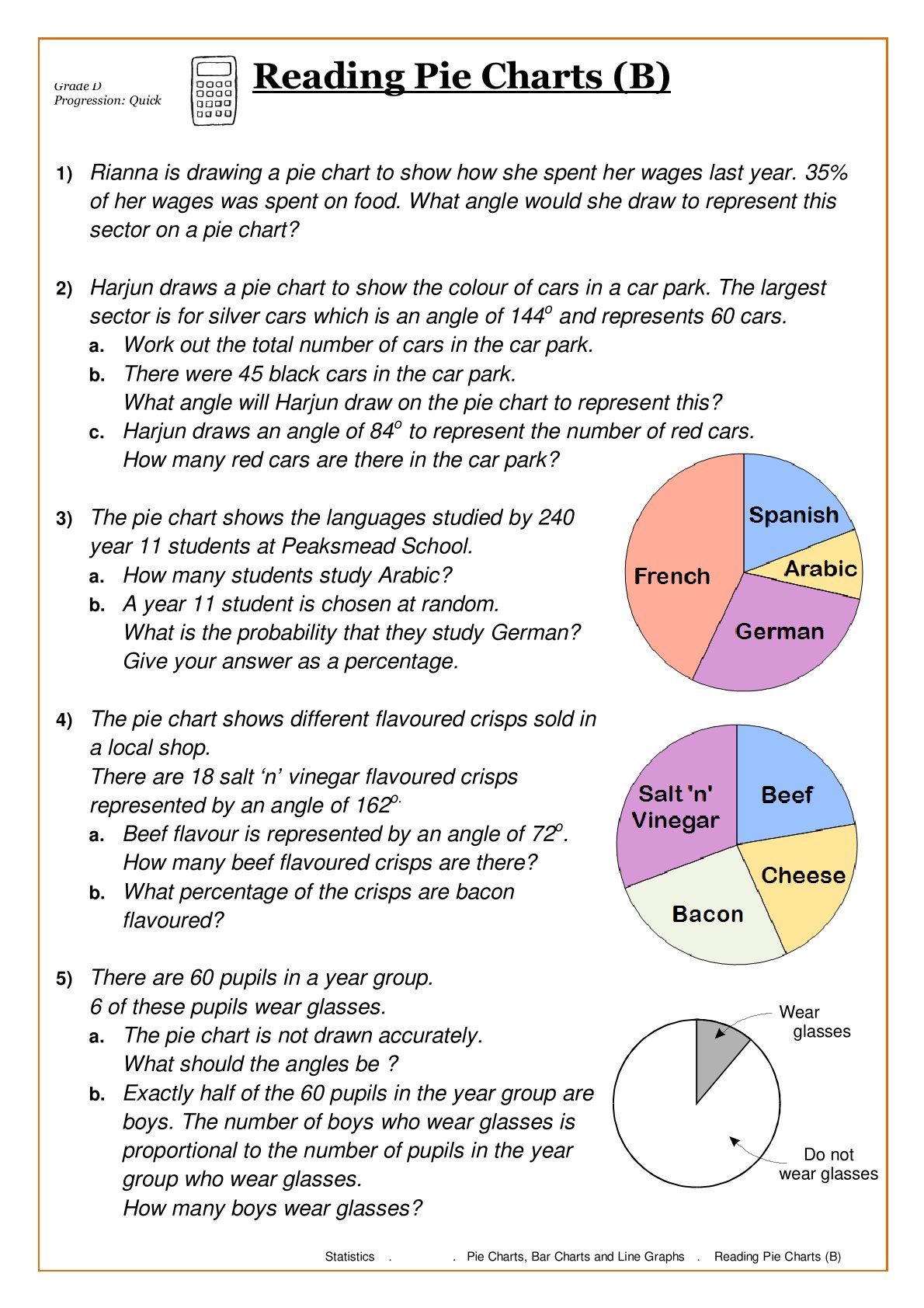
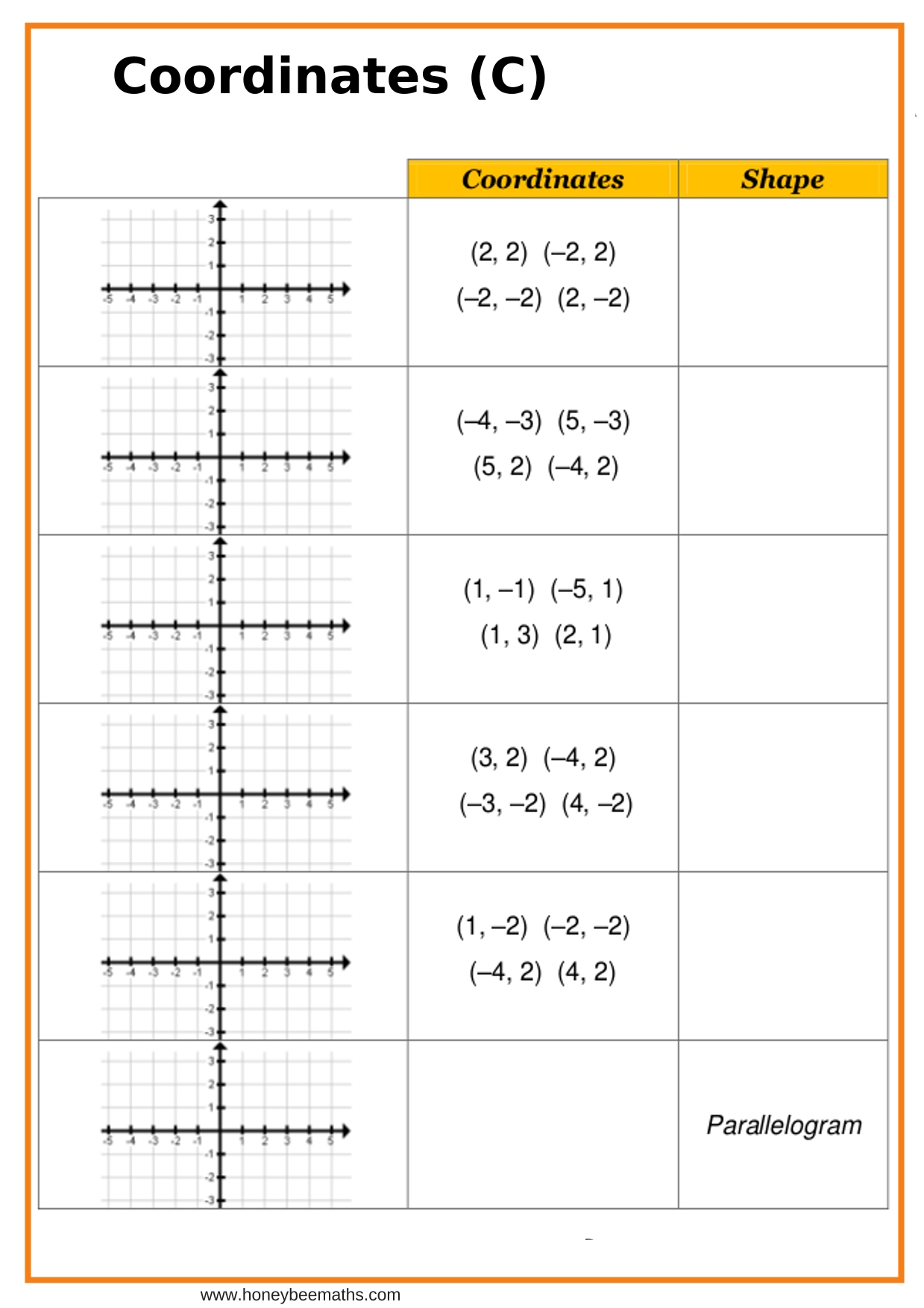
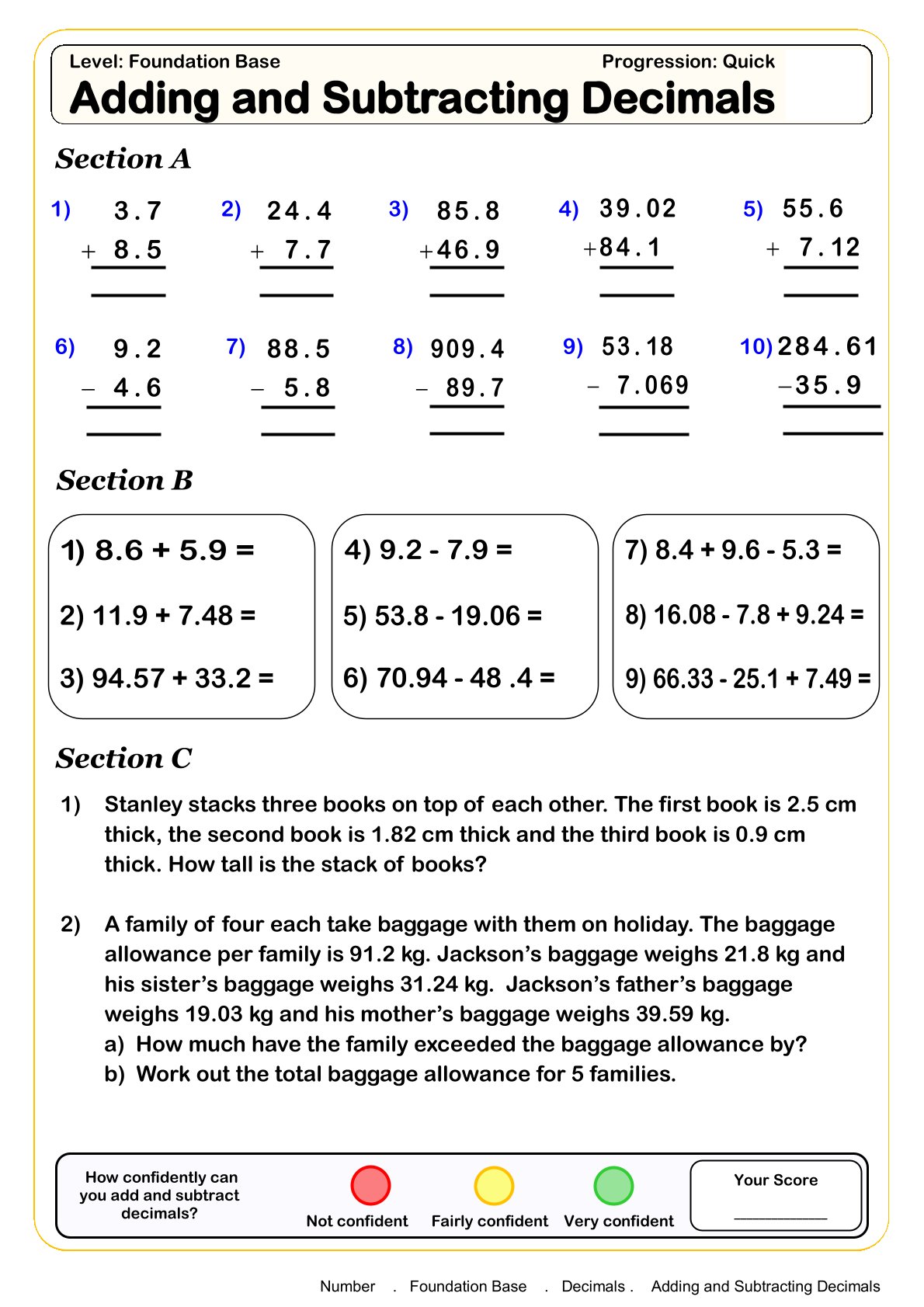
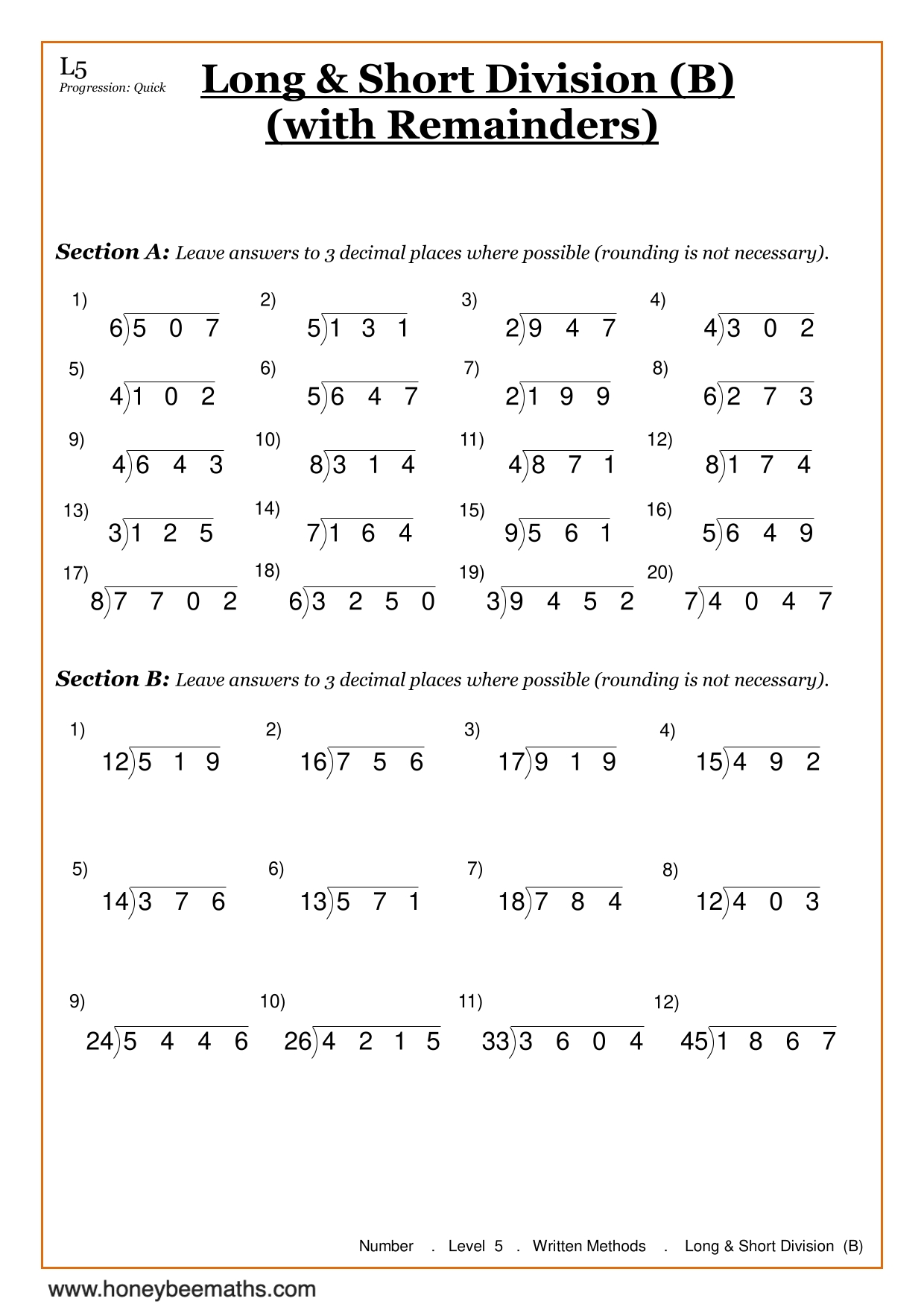
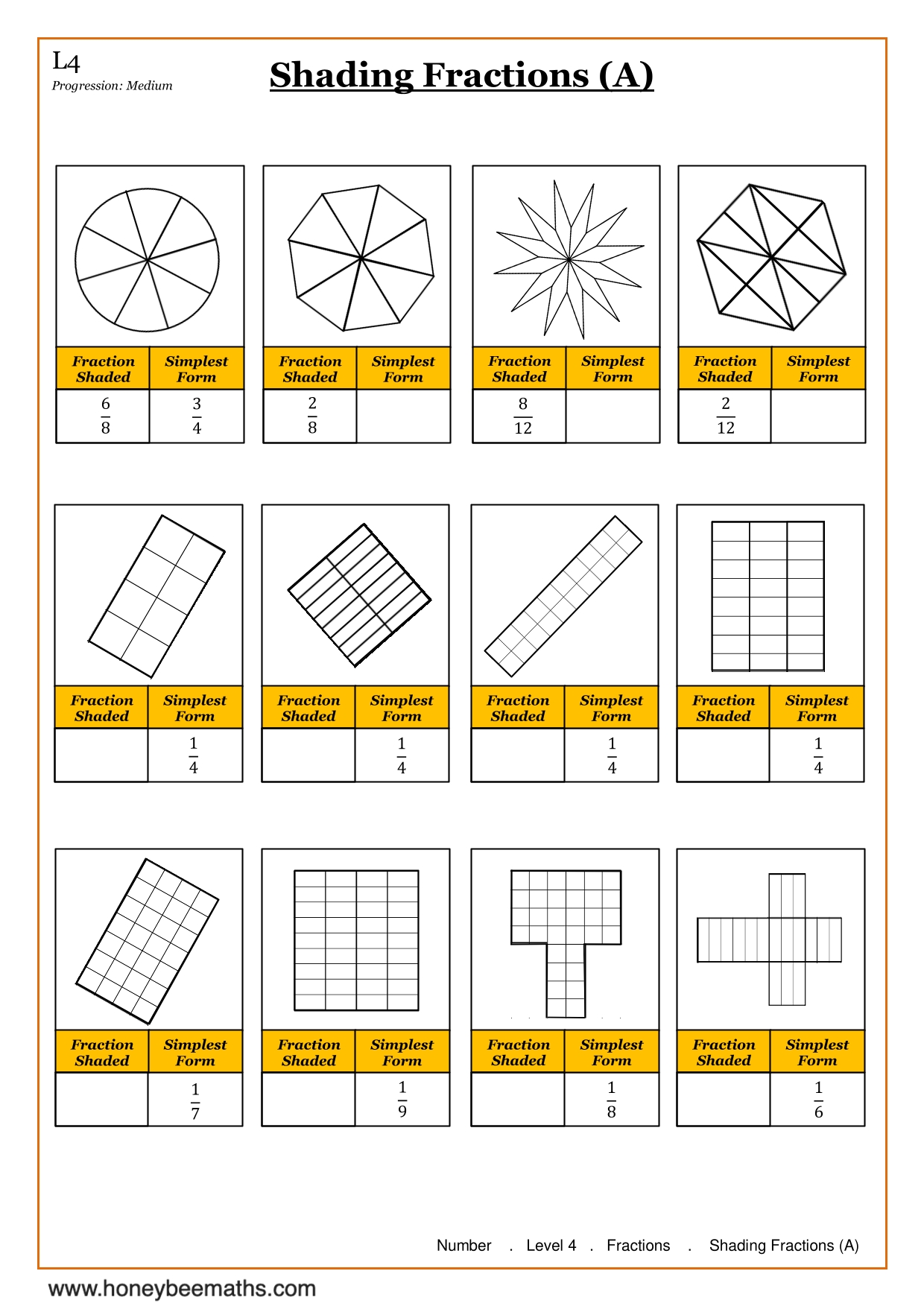
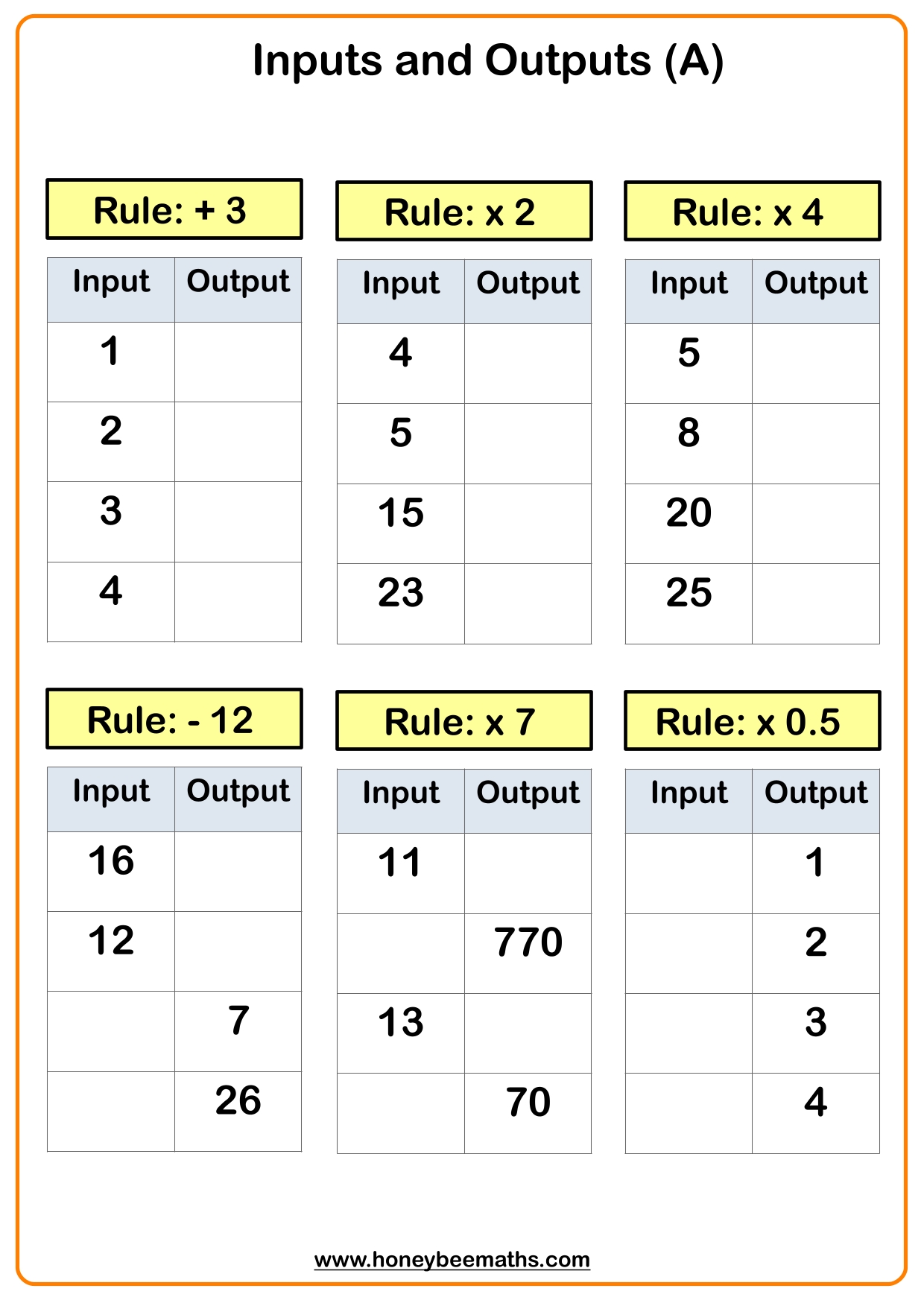
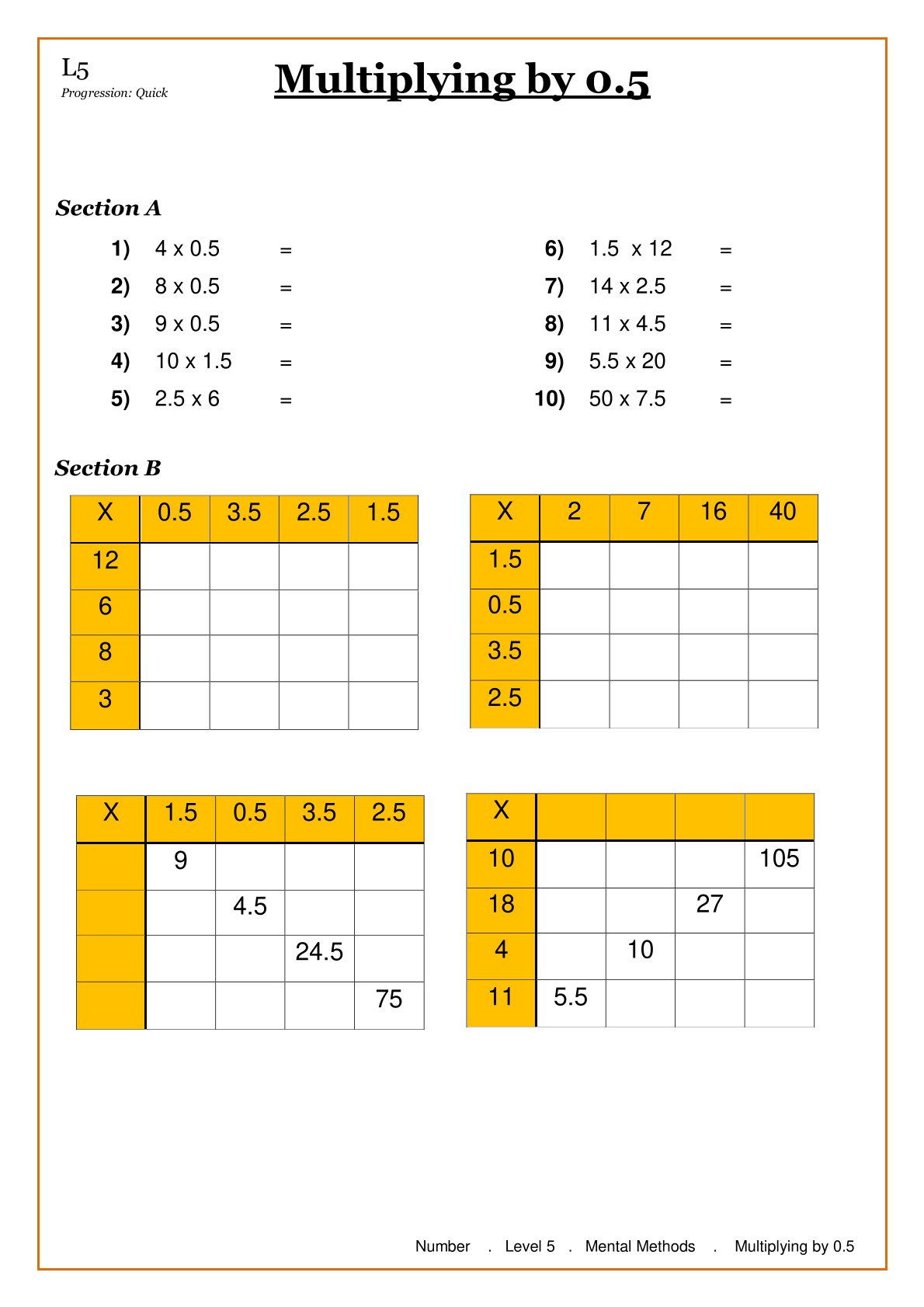
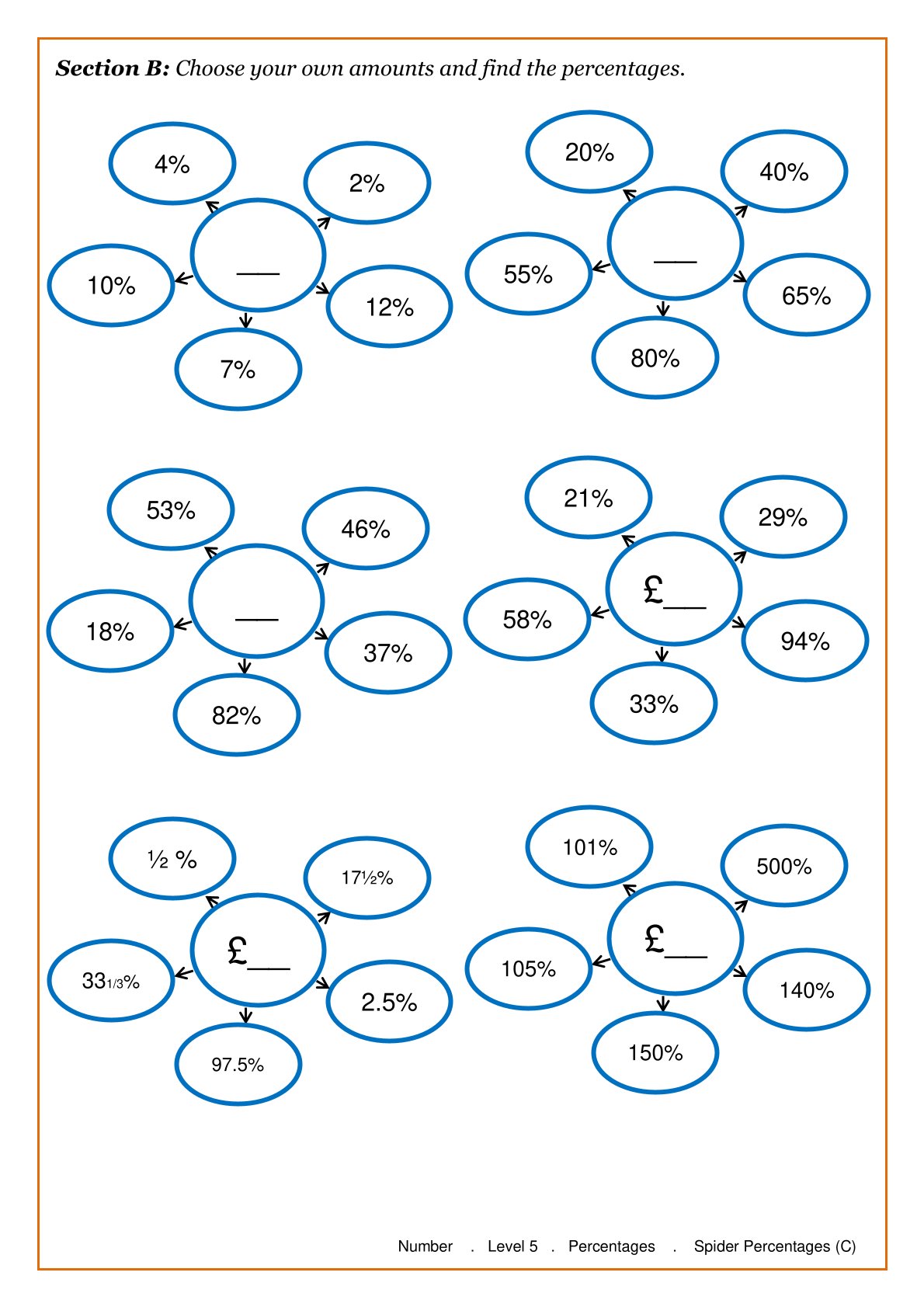
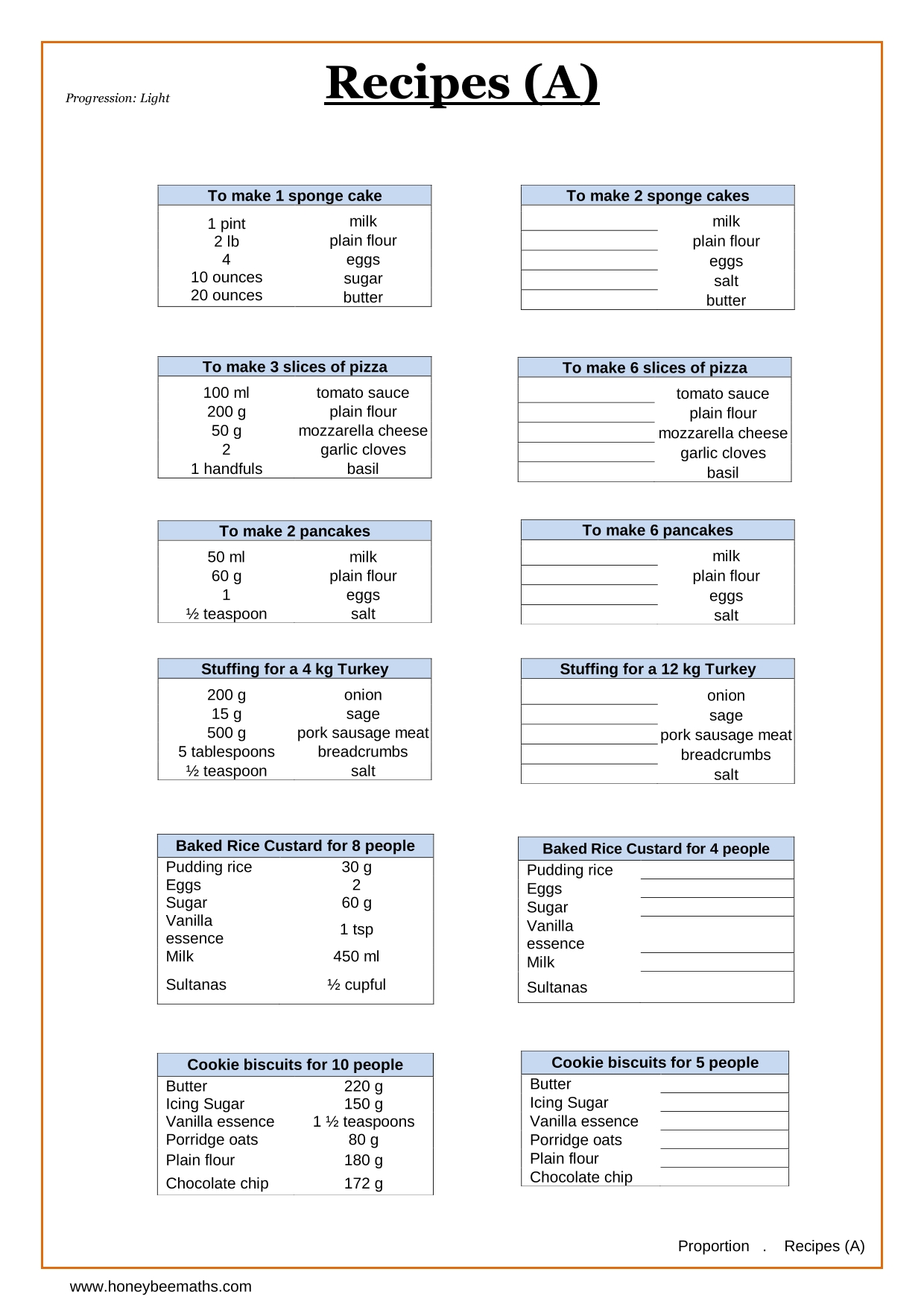
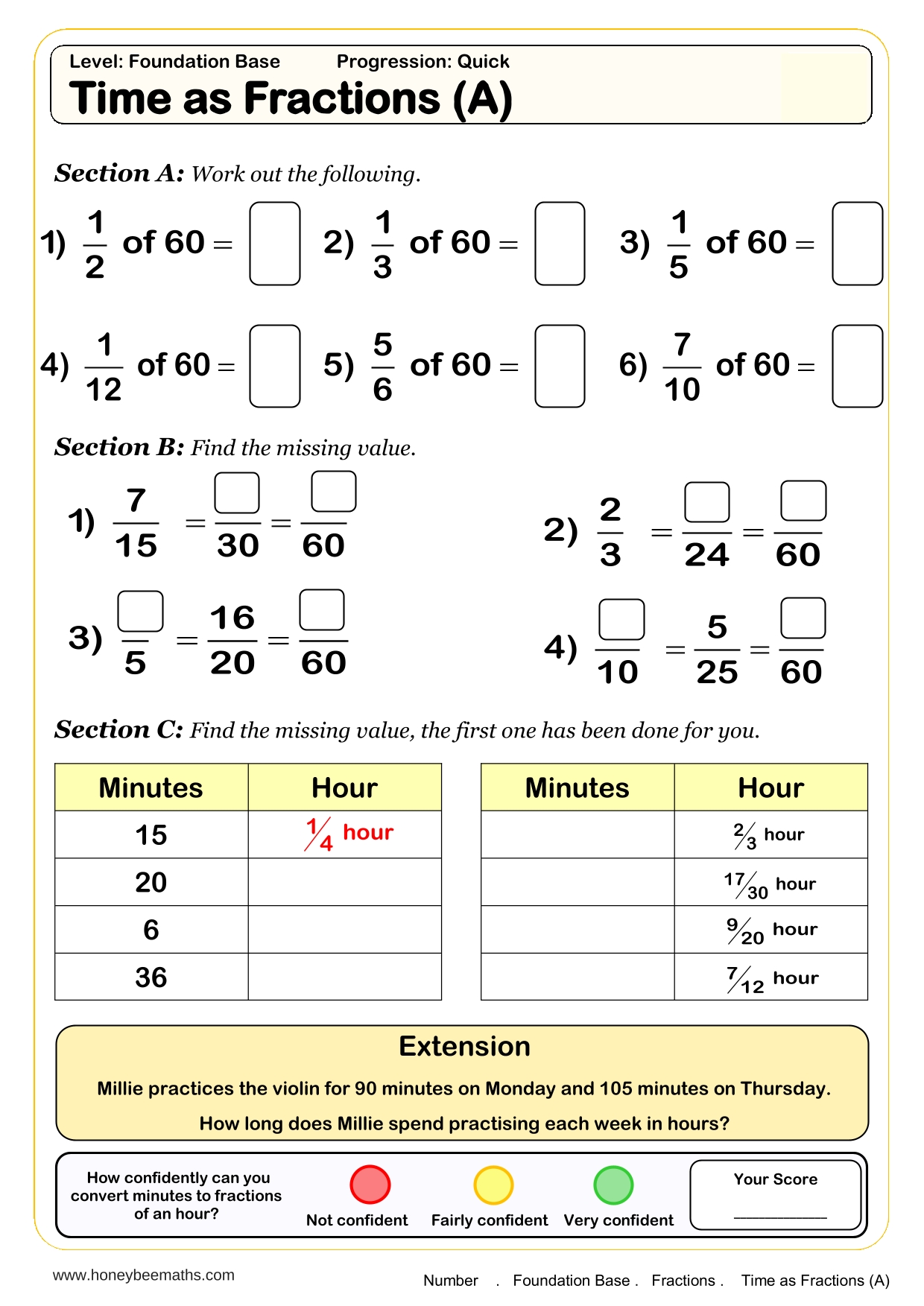
Year 7 maths worksheets are designed to help students make a successful transition from primary school mathematics to the more demanding topics studied in secondary school. As students begin Key Stage 3, they are introduced to new ways of thinking about numbers, algebra, geometry and data while strengthening the arithmetic skills developed in earlier years. Year 7 maths worksheets provide structured practice with topics such as fractions, decimals, percentages, ratio, angles, coordinates, averages, probability and simple algebra. They also encourage students to develop problem-solving techniques, mathematical reasoning and confidence when tackling unfamiliar questions. By working through a range of exercises, students learn to apply mathematical methods accurately and explain their thinking clearly.
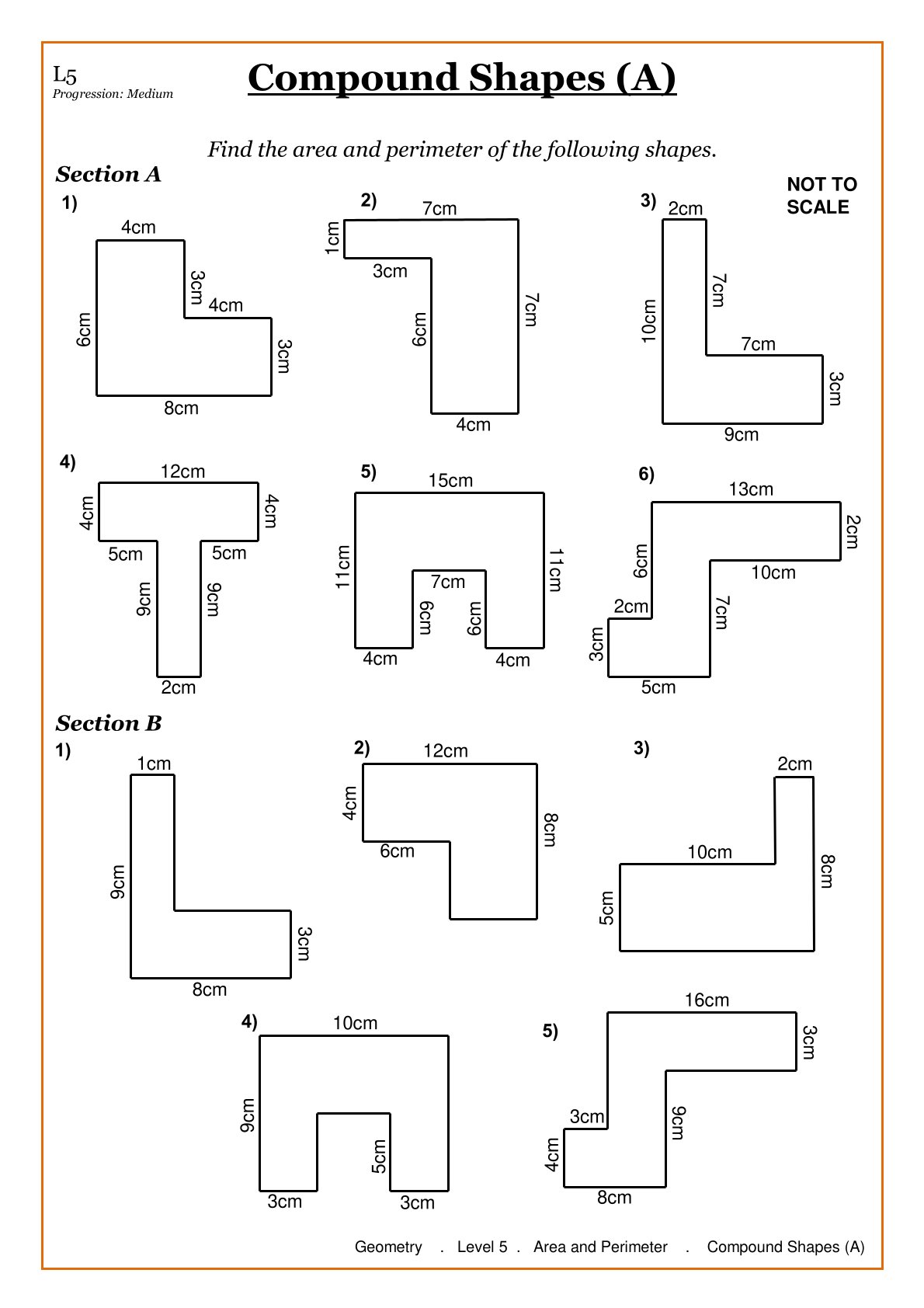
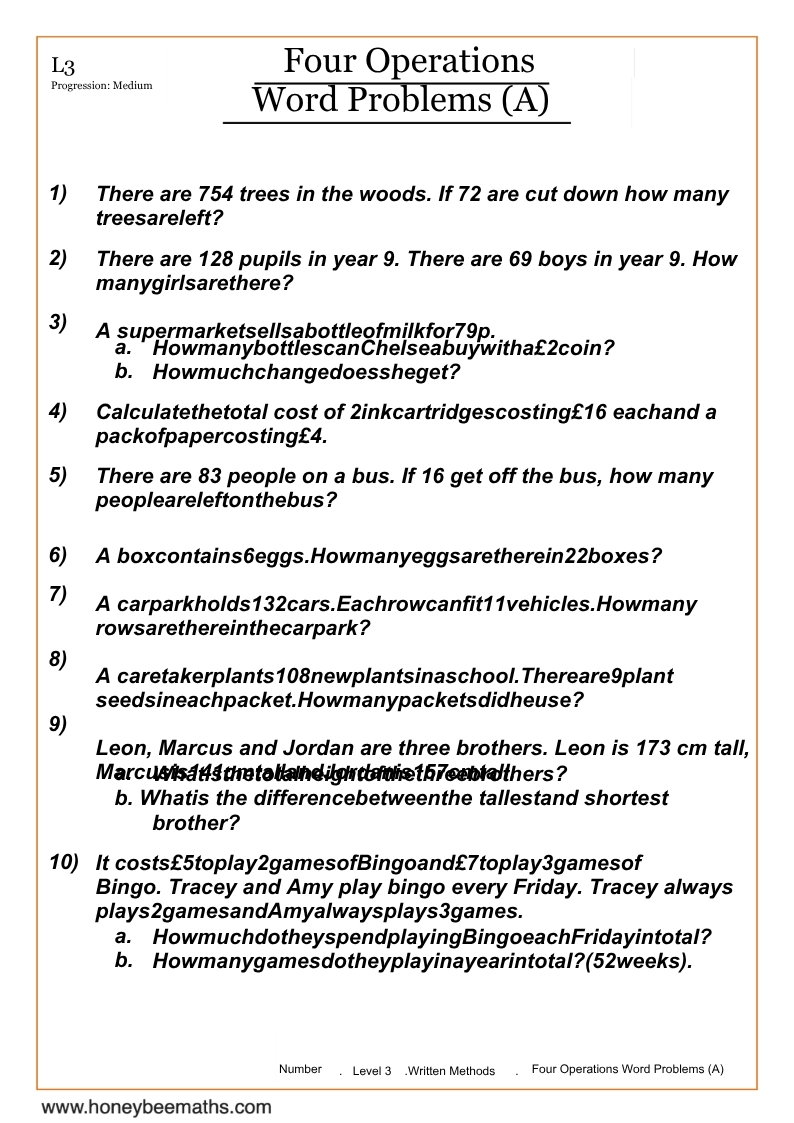
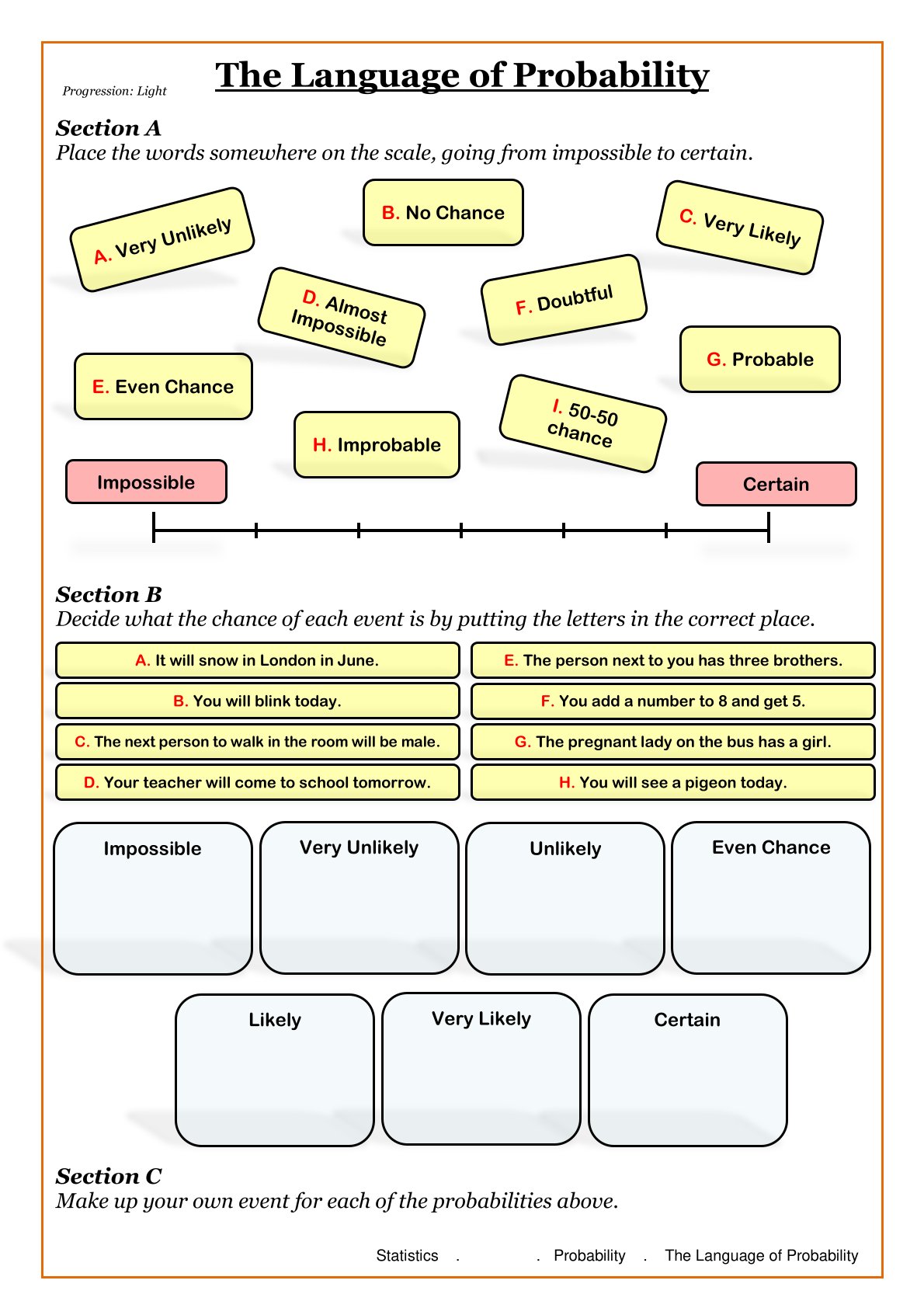
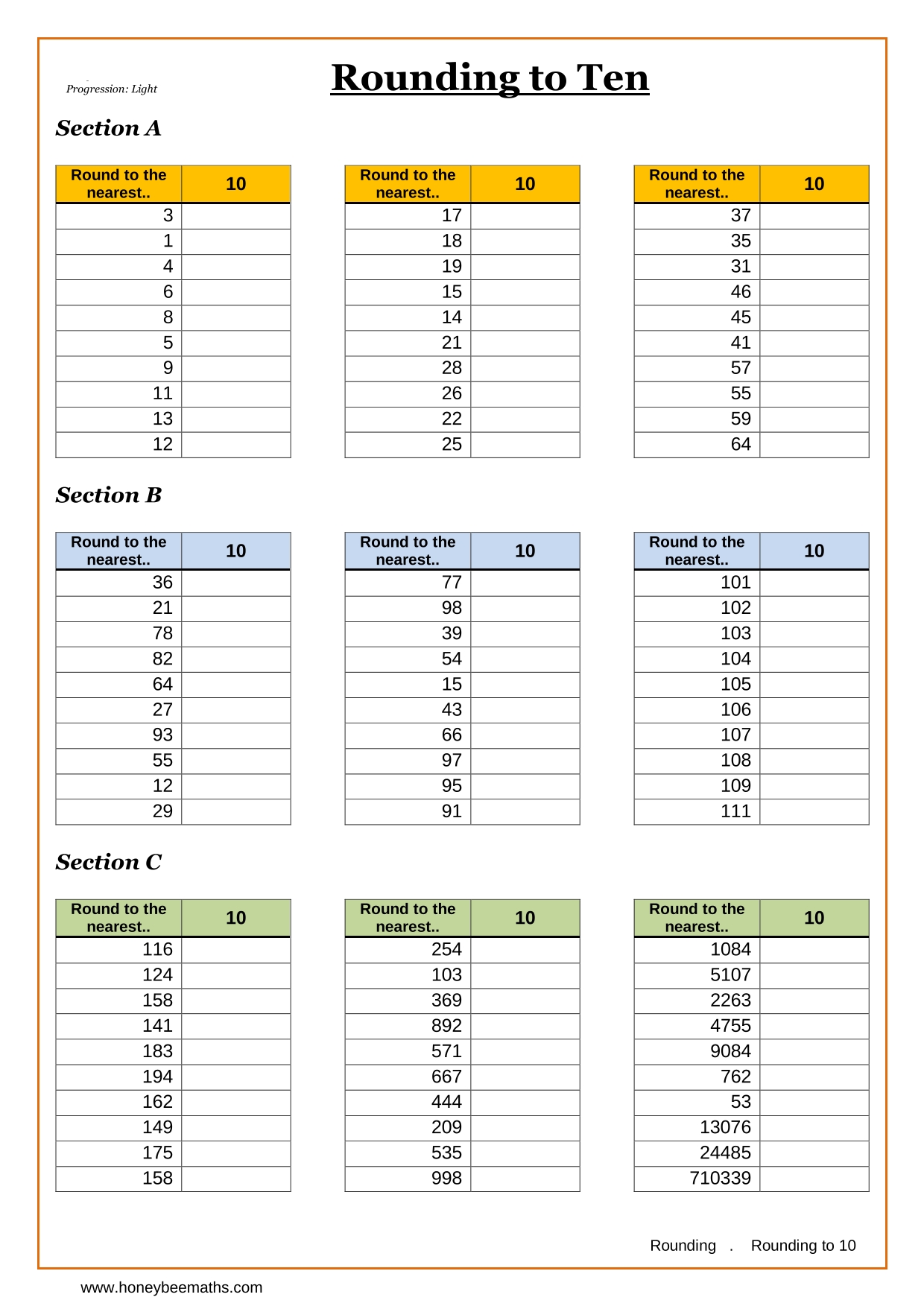
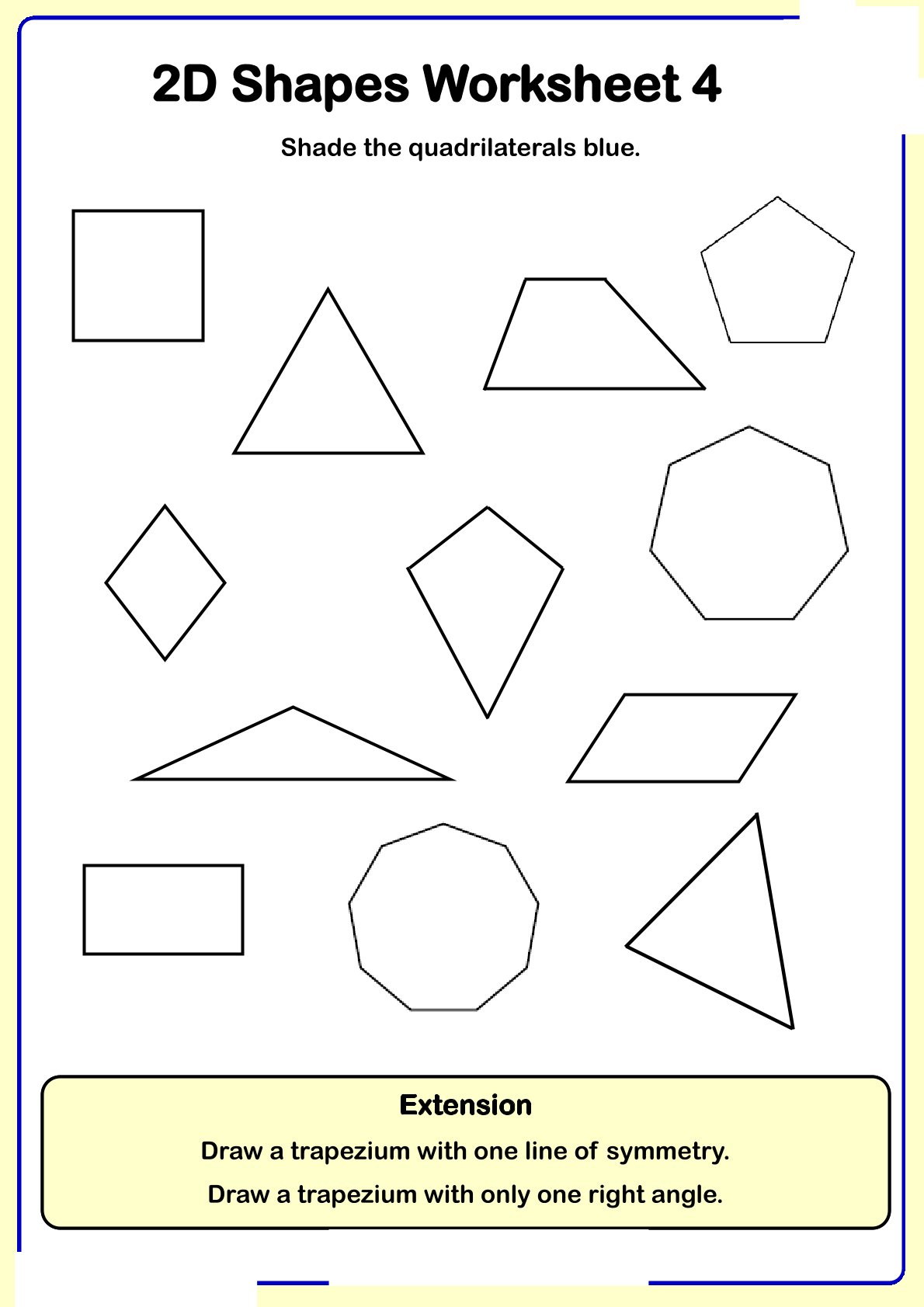
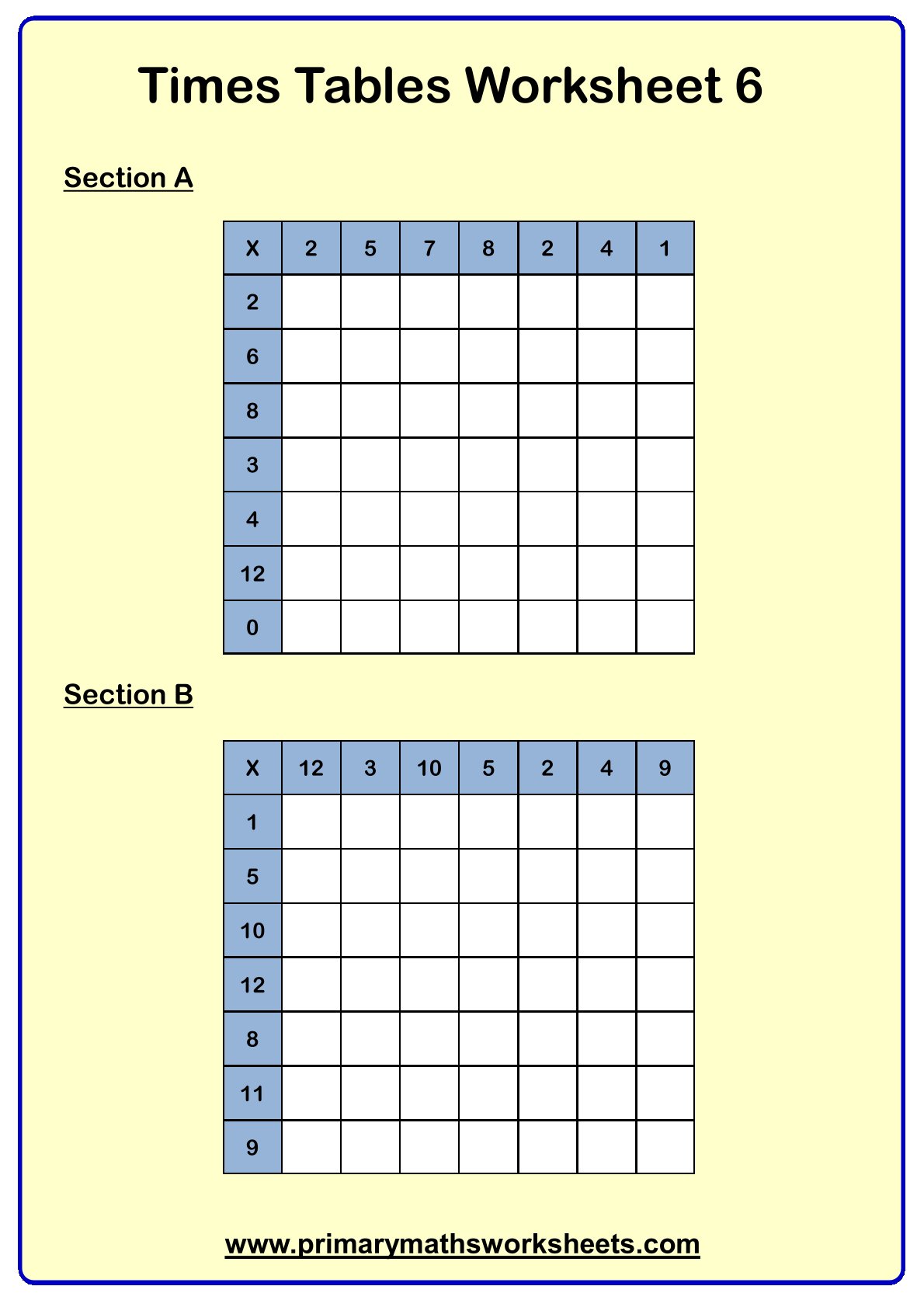
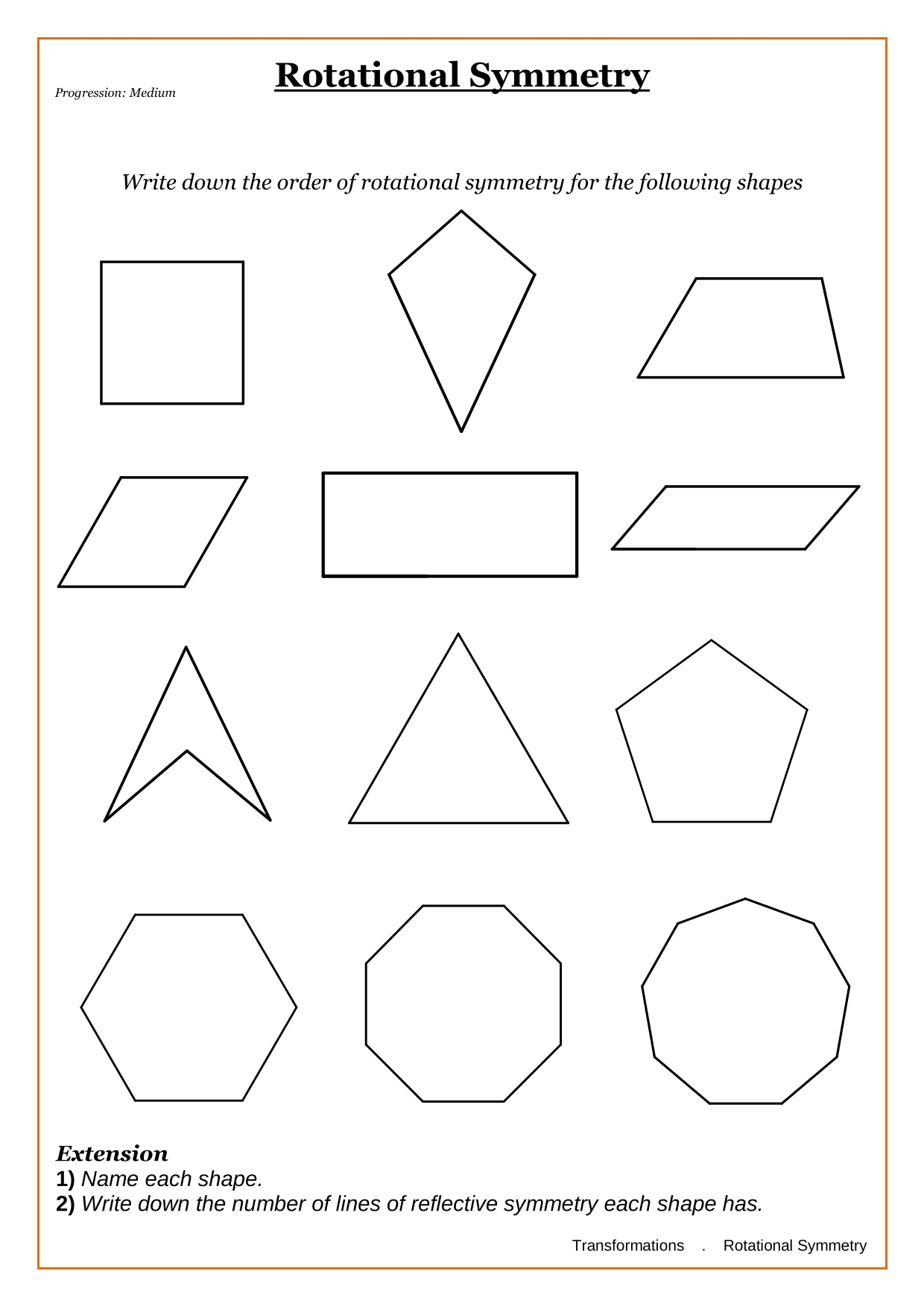
Year 7 maths builds on the skills learned in primary school and introduces students to a wider range of mathematical concepts. As students begin Key Stage 3, they develop greater confidence with calculations, problem-solving and mathematical reasoning while working with more challenging topics. Number skills remain important, with students learning to work with integers, decimals, fractions, percentages and ratios. They practise applying the four operations in a variety of contexts and solve increasingly complex multi-step problems. Algebra is introduced in greater depth, including simplifying expressions, using formulas, solving equations and understanding sequences. Students also study geometry topics such as angles, properties of shapes, symmetry, transformations and coordinates. They learn how to calculate perimeter, area and volume and begin applying these skills to practical problems. In statistics, students collect, represent and interpret data using charts, tables and averages, while probability lessons introduce the language of chance and simple probability calculations. Throughout Year 7, students are encouraged to explain their reasoning, identify patterns and develop logical thinking skills. Problem-solving becomes a key focus, helping students apply their mathematical knowledge in unfamiliar situations. These foundations are essential for success throughout Key Stage 3 and prepare students for the more advanced topics they will encounter in Years 8, 9 and eventually GCSE mathematics.