
Year 8 Maths Worksheets | Printable PDFs
What is taught in Year 8 Maths?
Year 8 maths worksheets provide students with the opportunity to strengthen the core skills introduced in Year 7 while tackling more challenging mathematical concepts. During Year 8, students begin to work with increasingly sophisticated algebra, ratio and proportion, percentages, straight-line graphs, probability, transformations and geometric reasoning. They also develop confidence with topics such as powers and roots, standard methods of calculation, coordinates, volume, scatter graphs and frequency diagrams. Well-designed Year 8 maths worksheets encourage students to apply their knowledge in a variety of contexts, helping them move beyond simple procedures and develop deeper mathematical understanding.
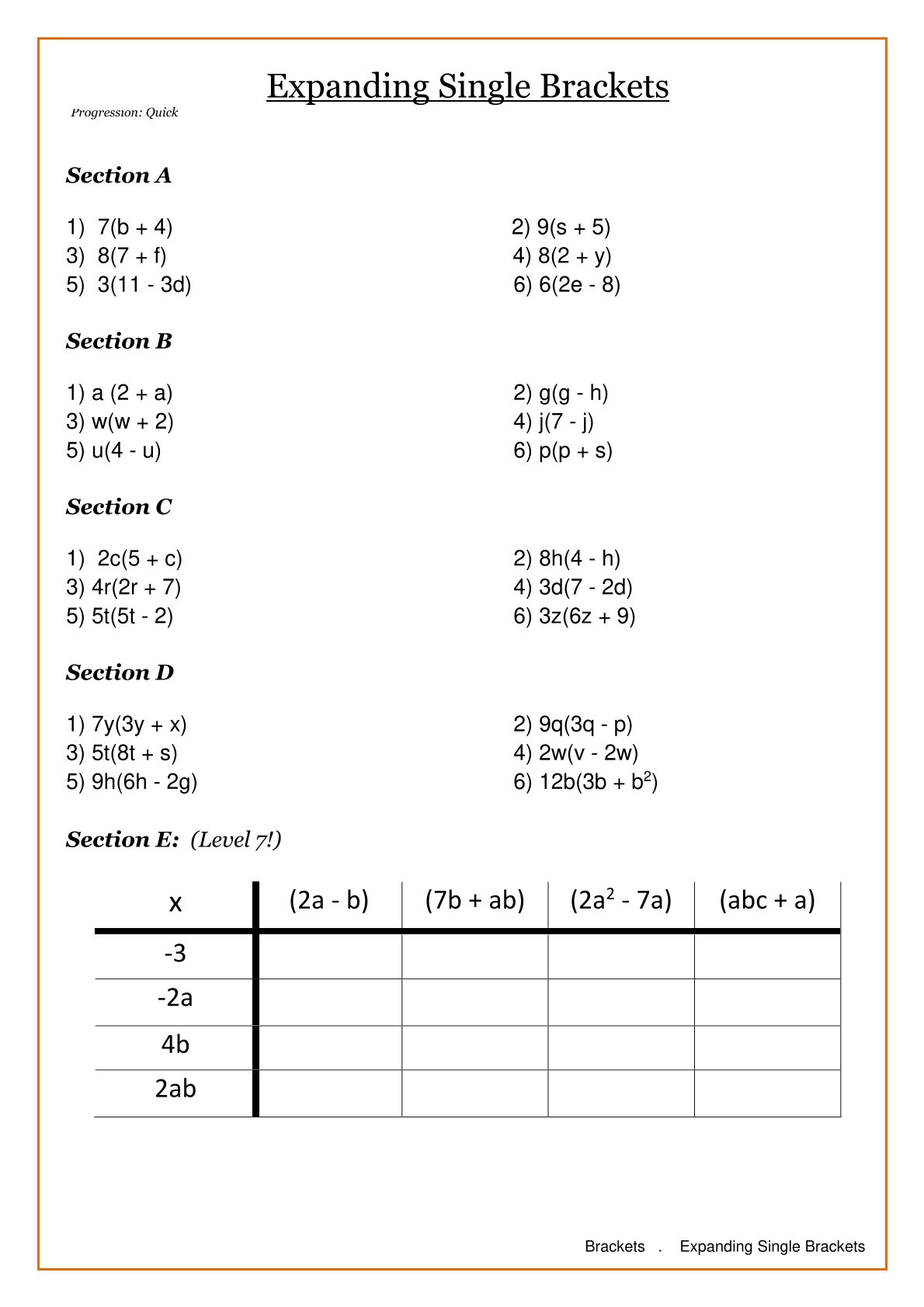
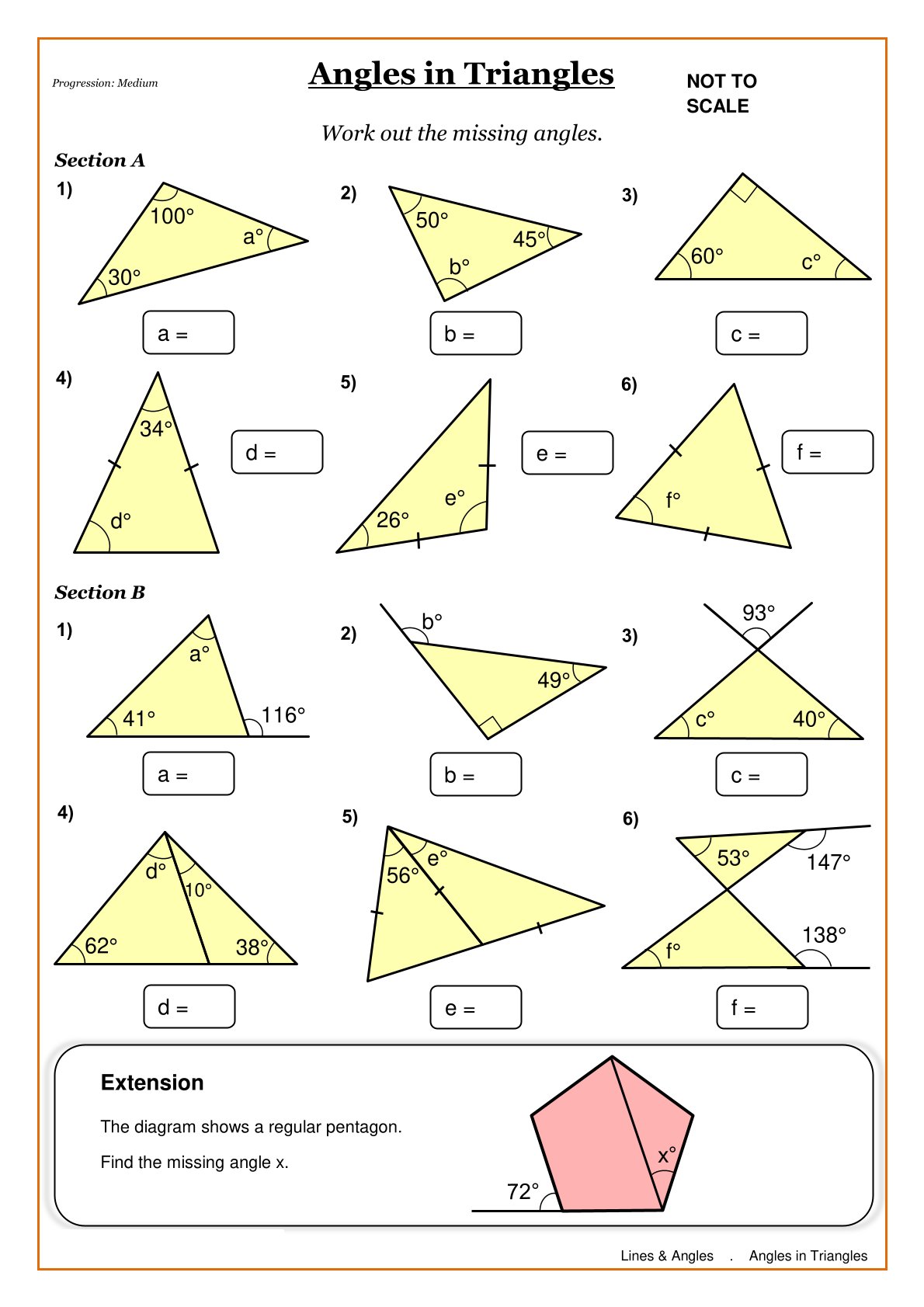
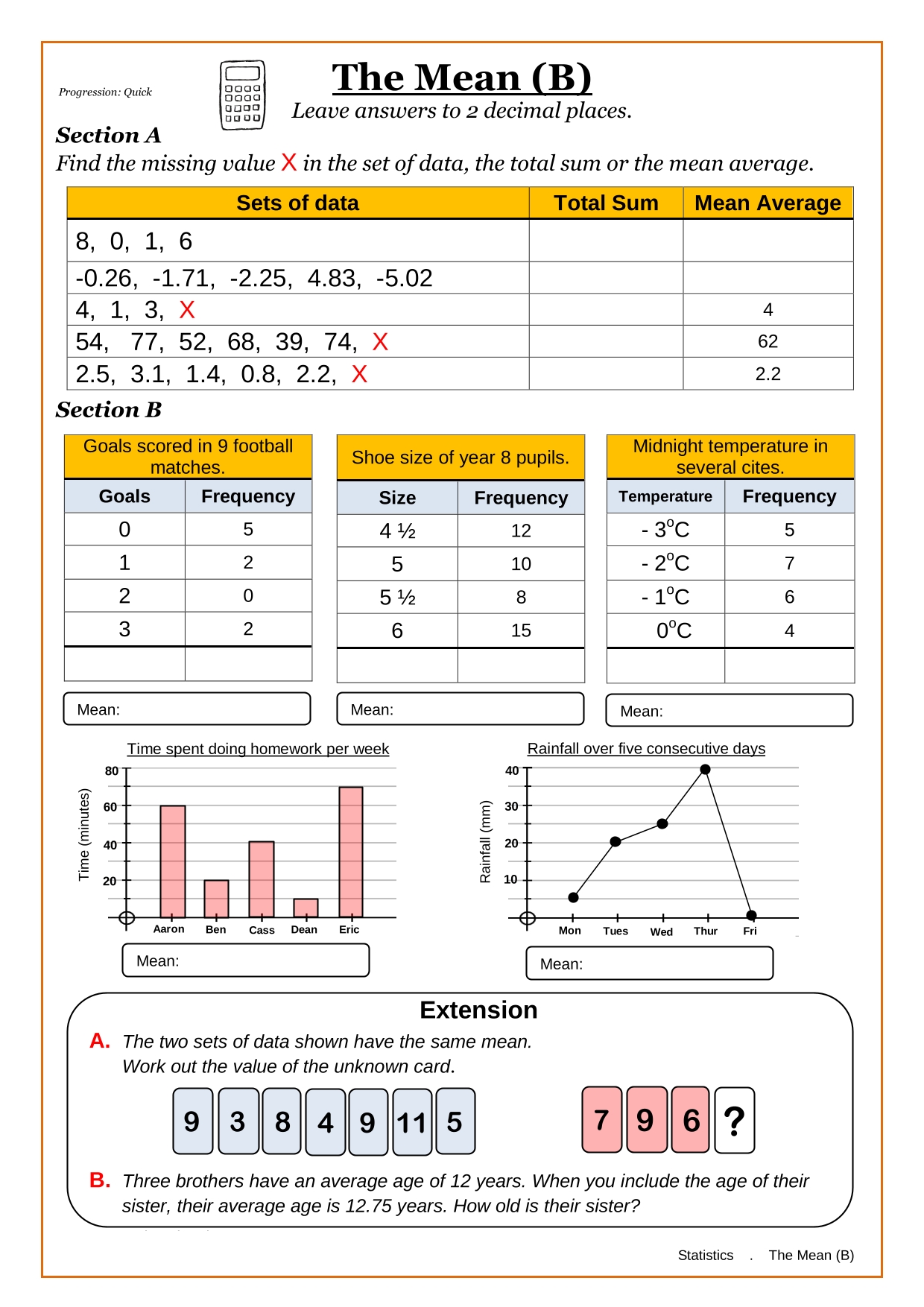
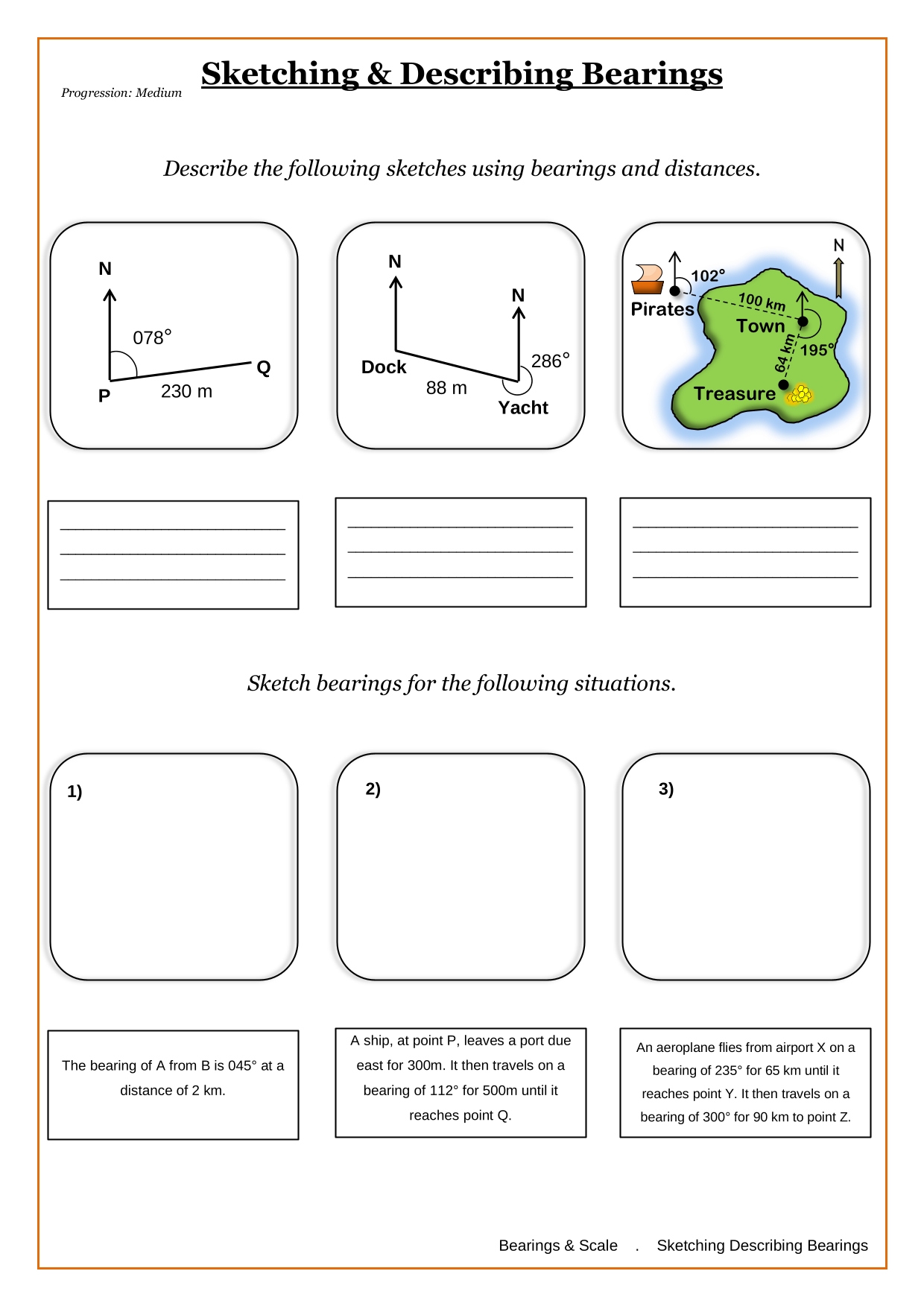
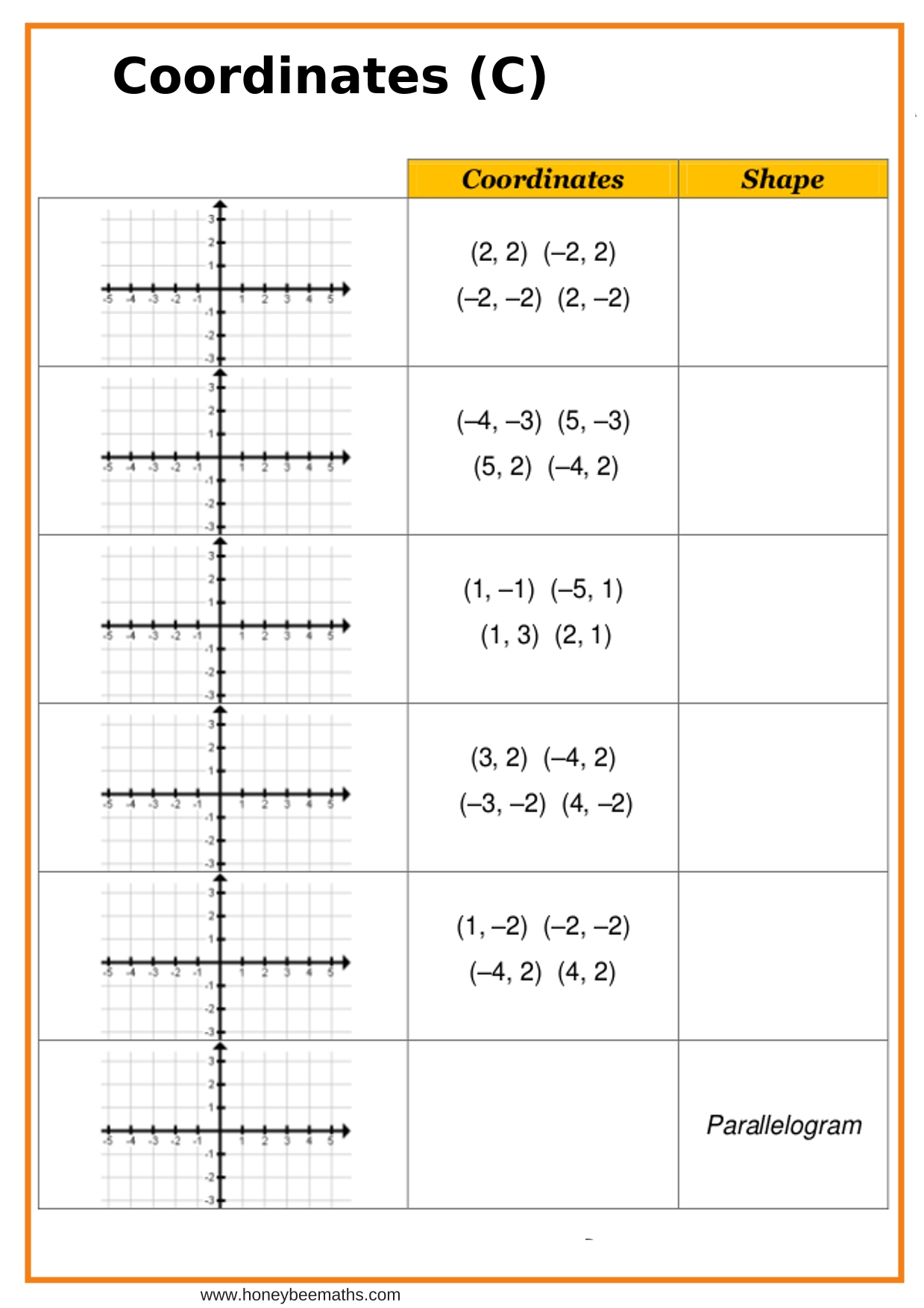
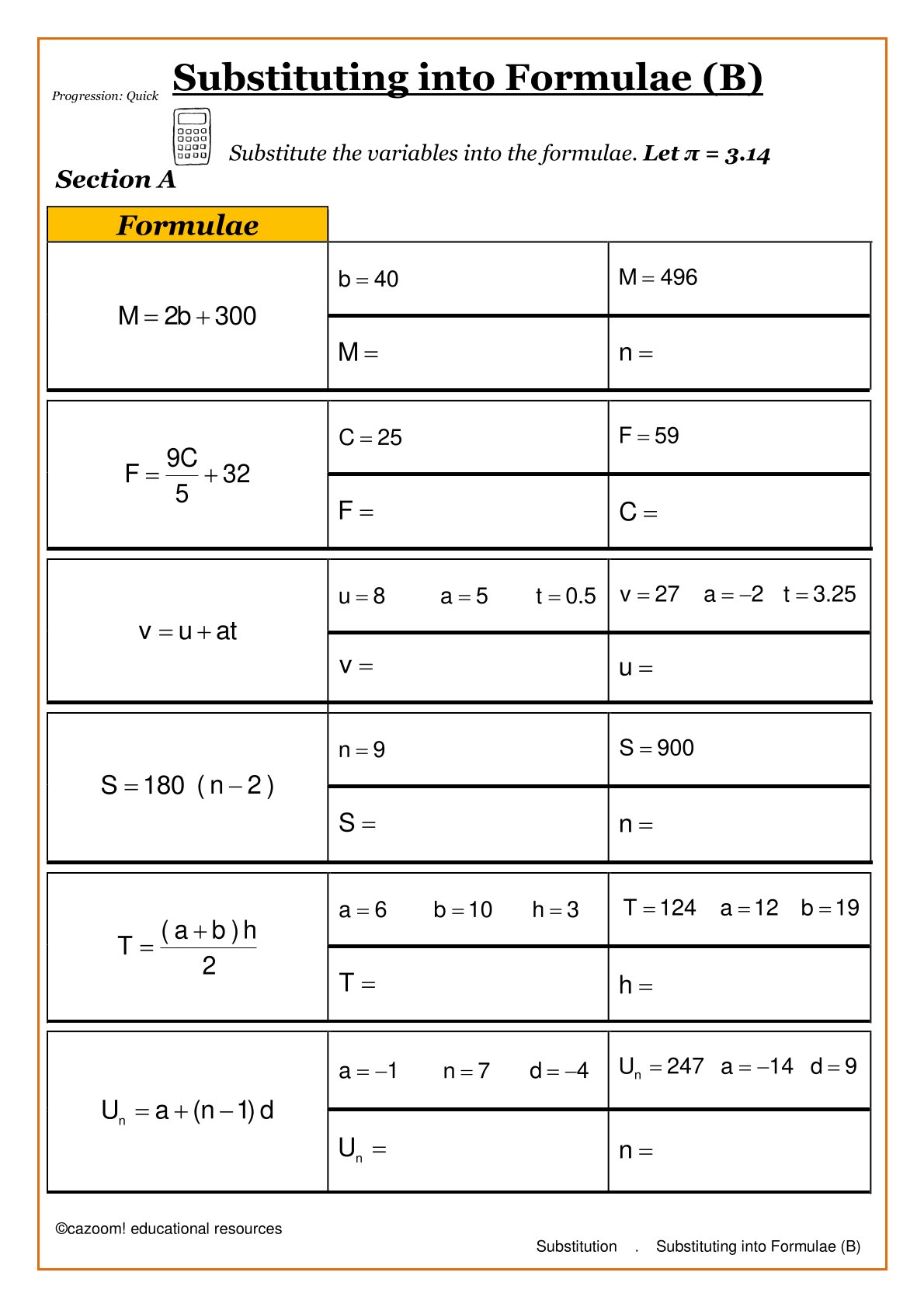
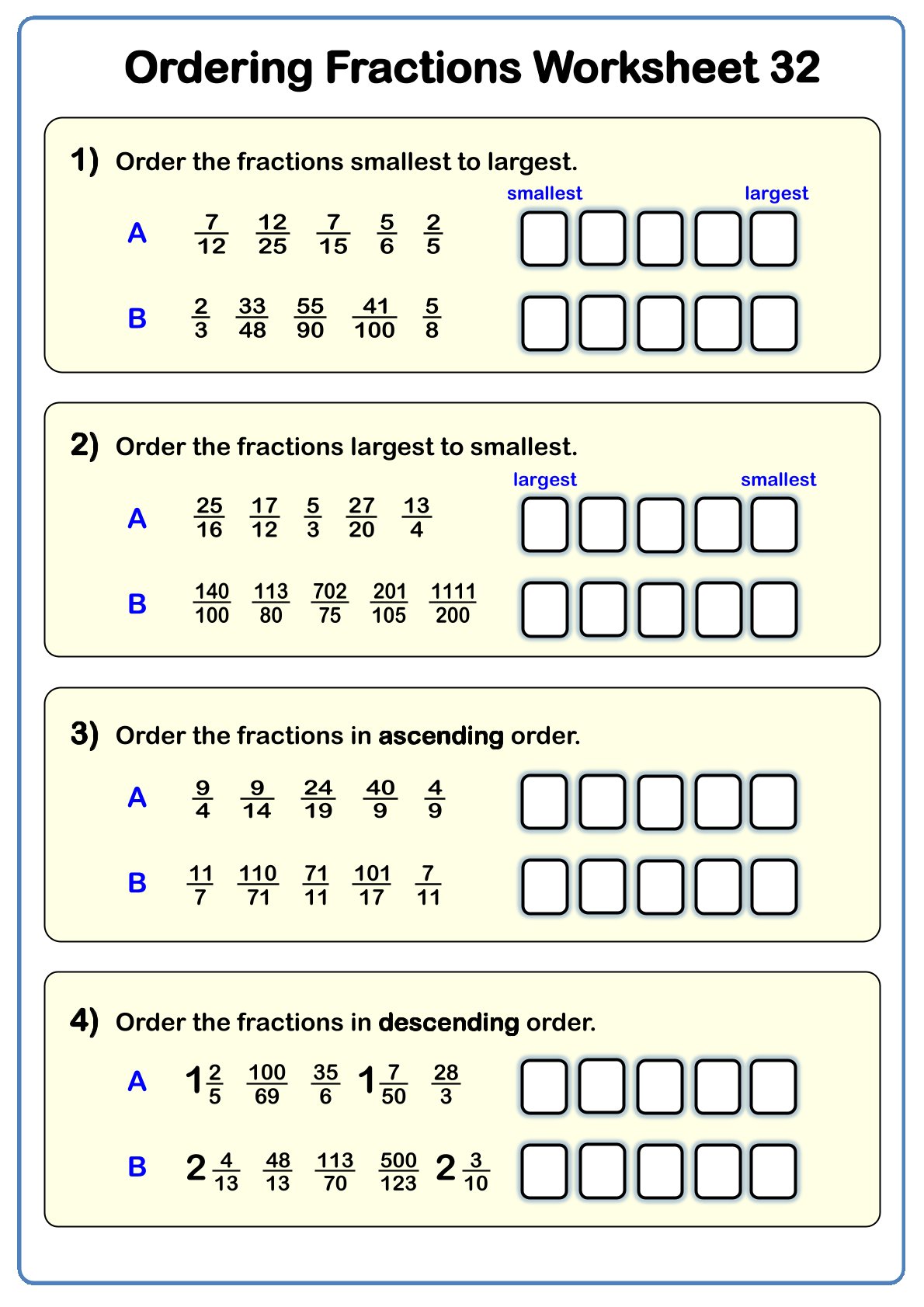
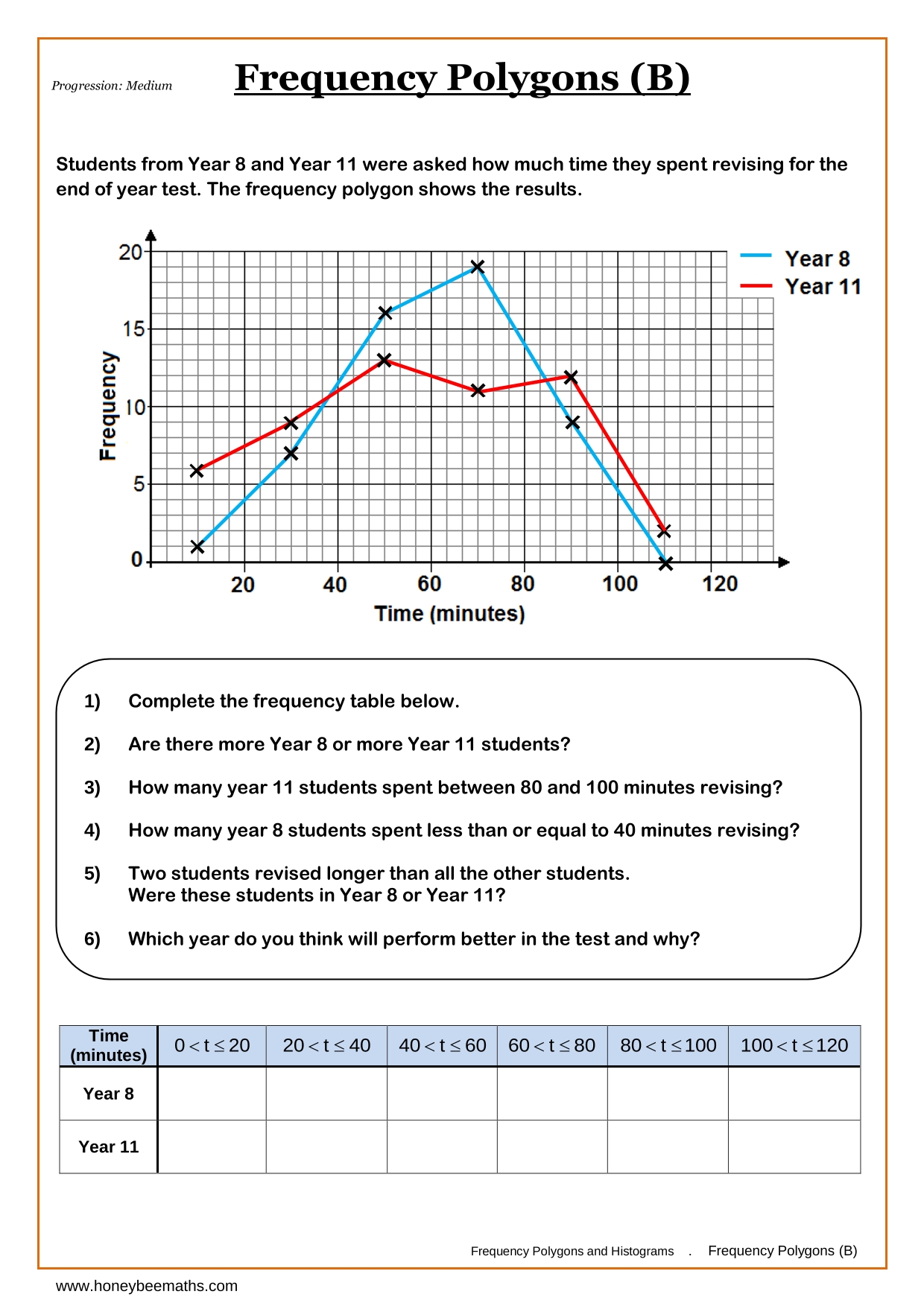
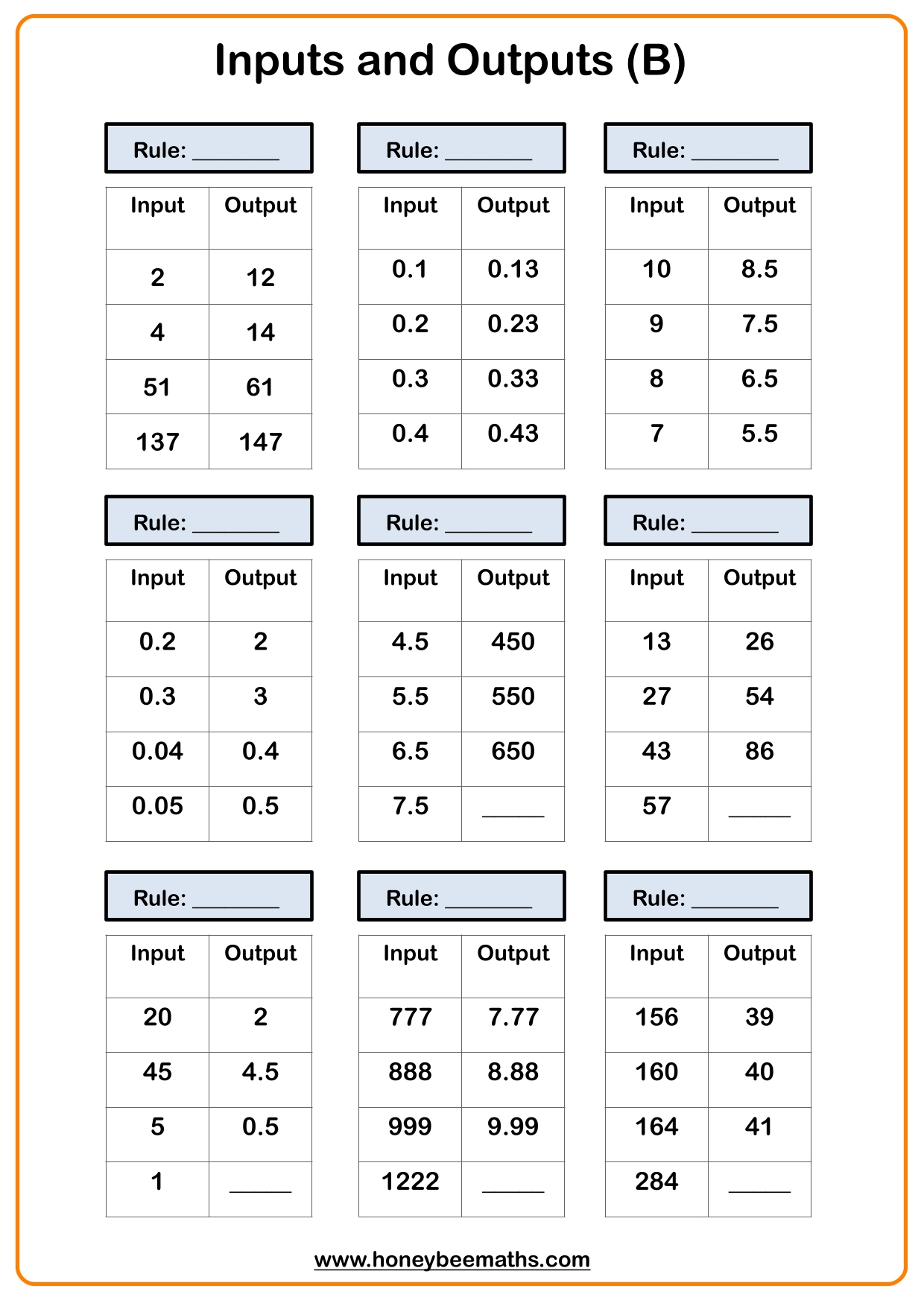
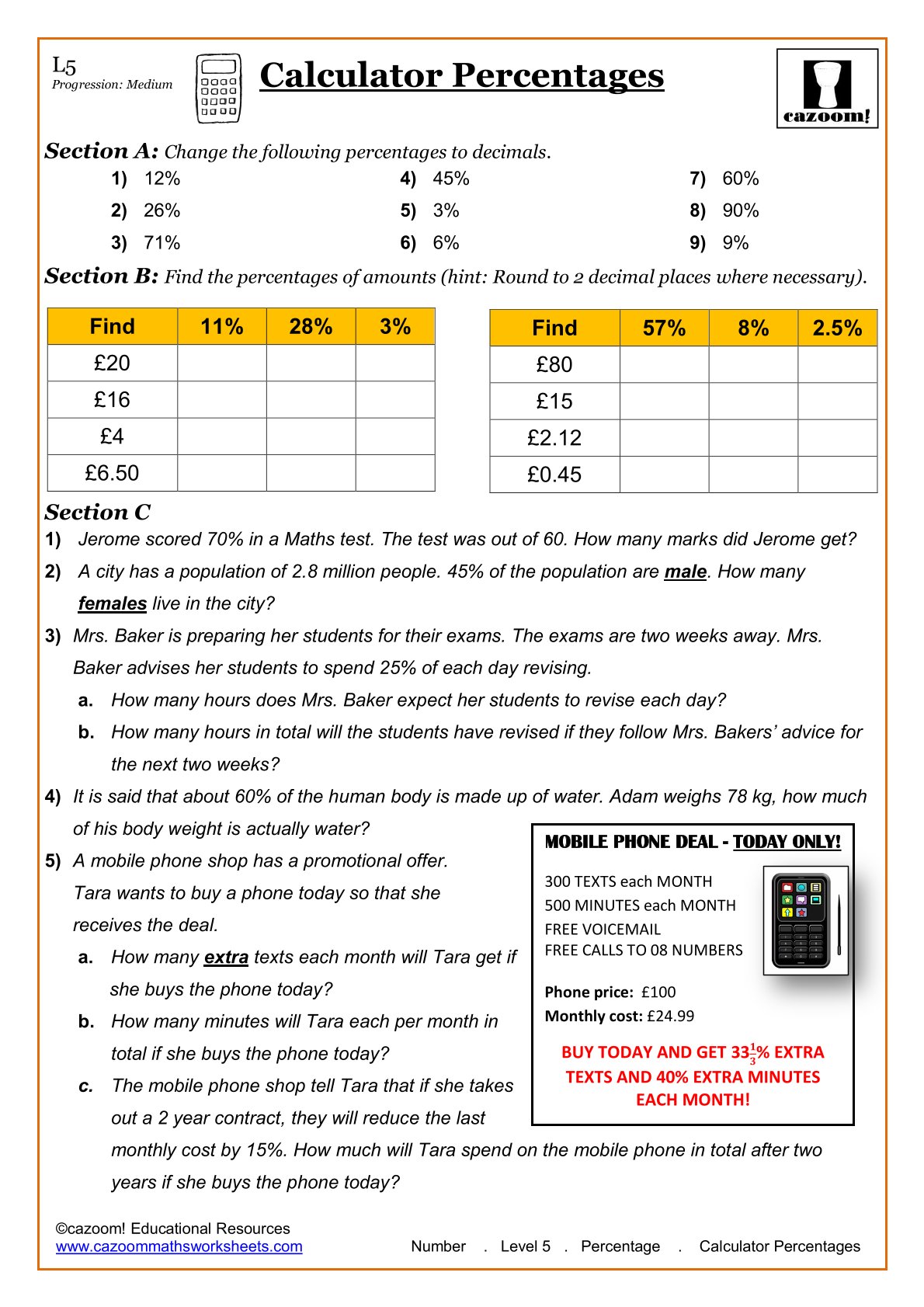

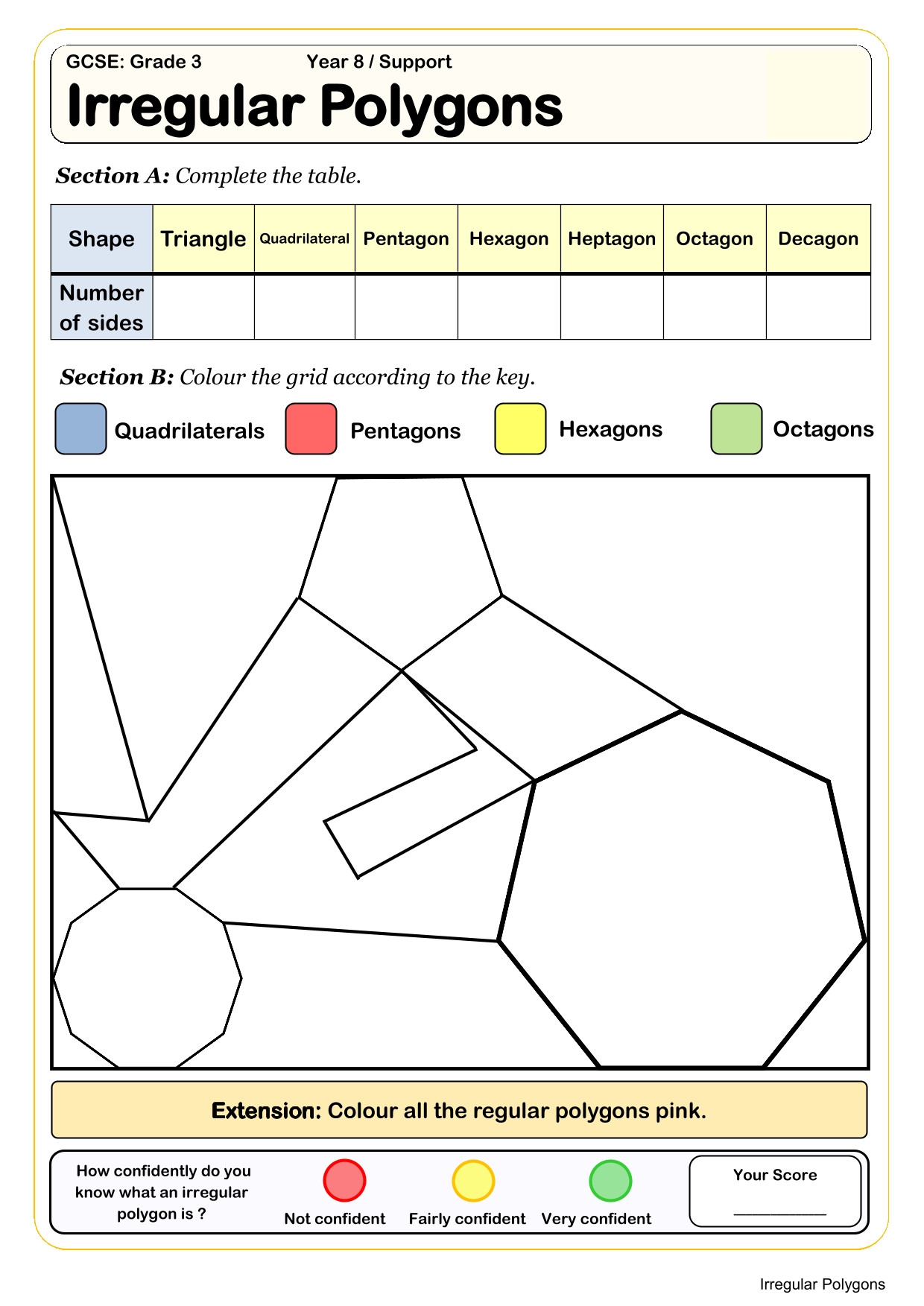
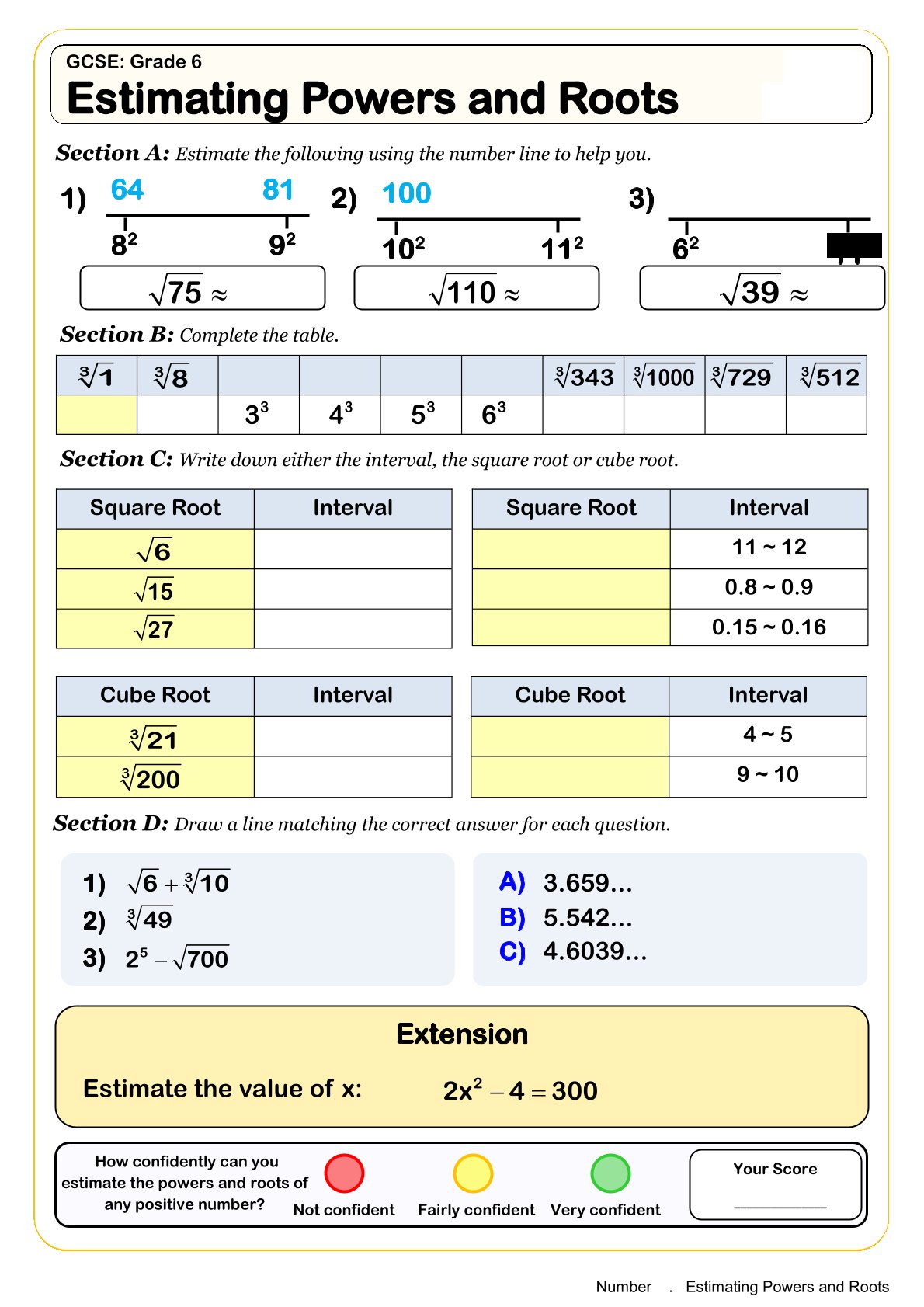
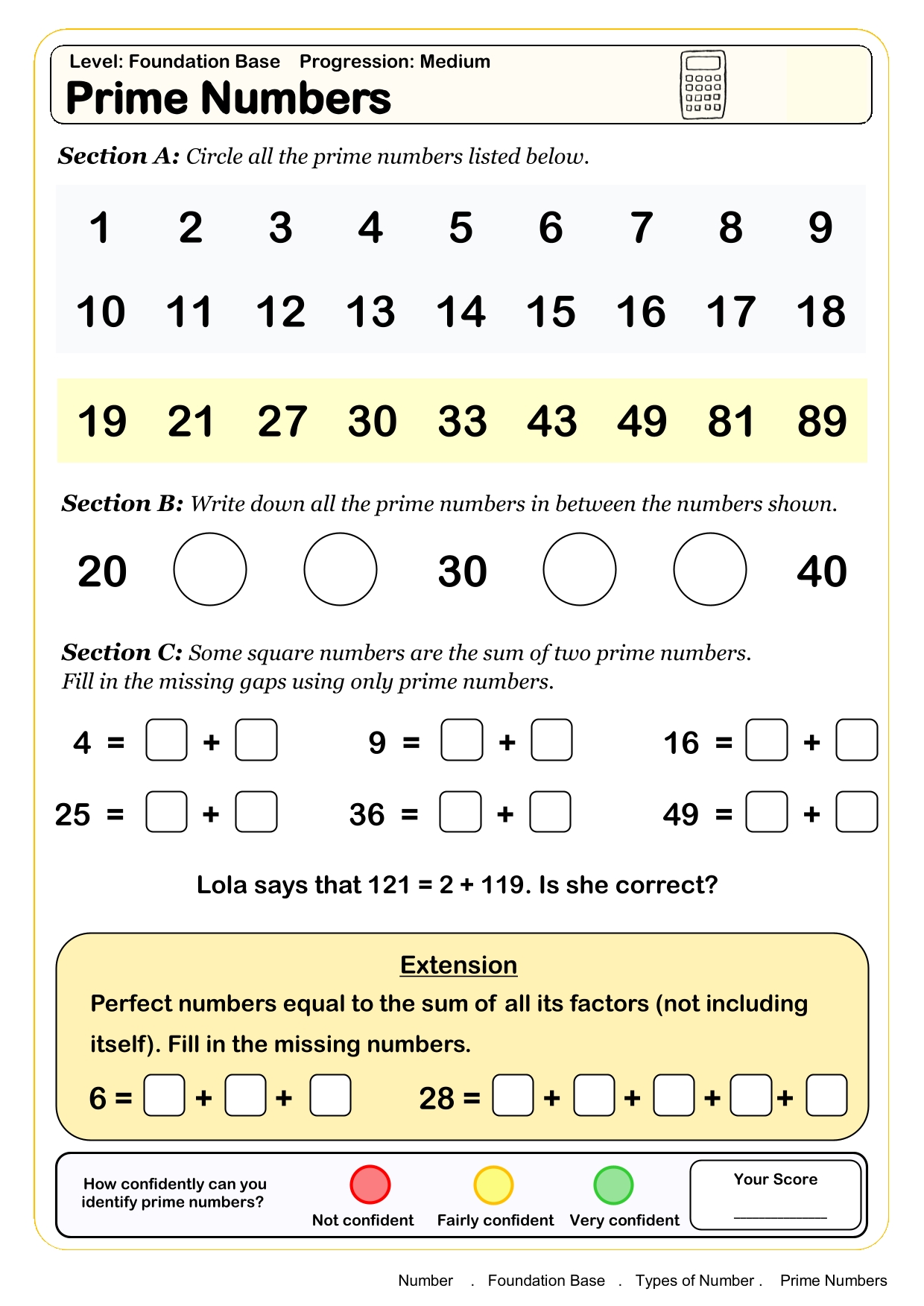
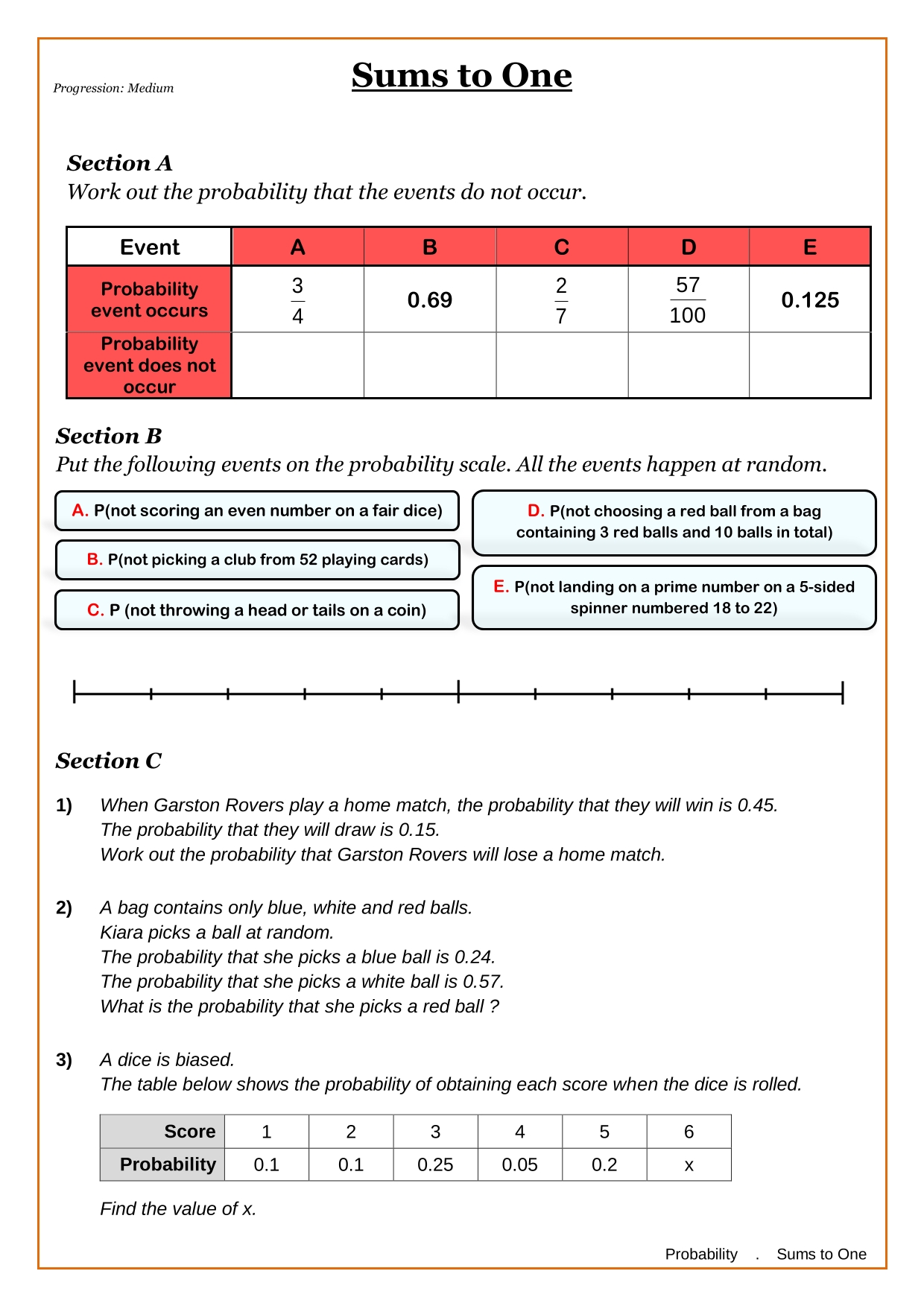
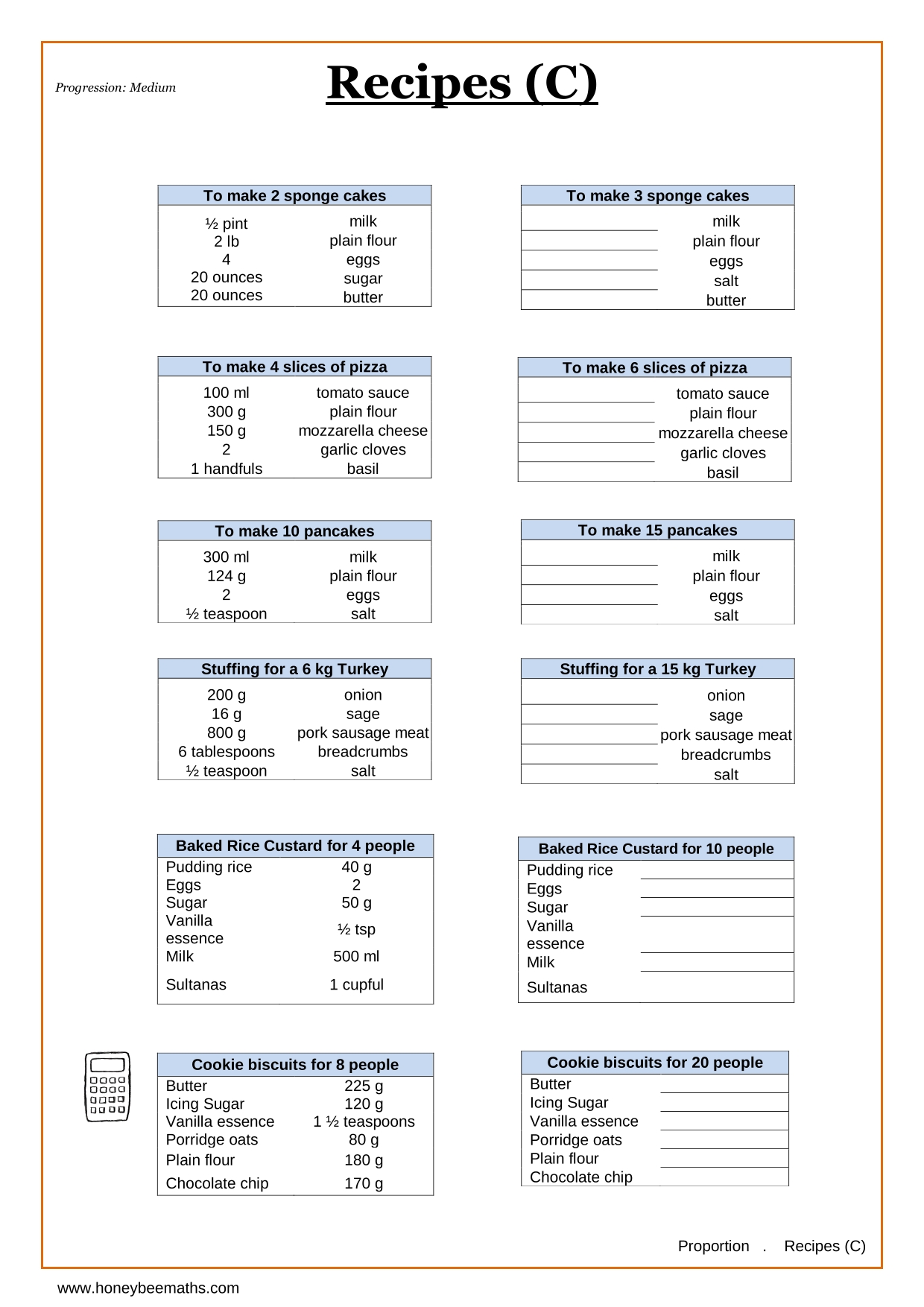
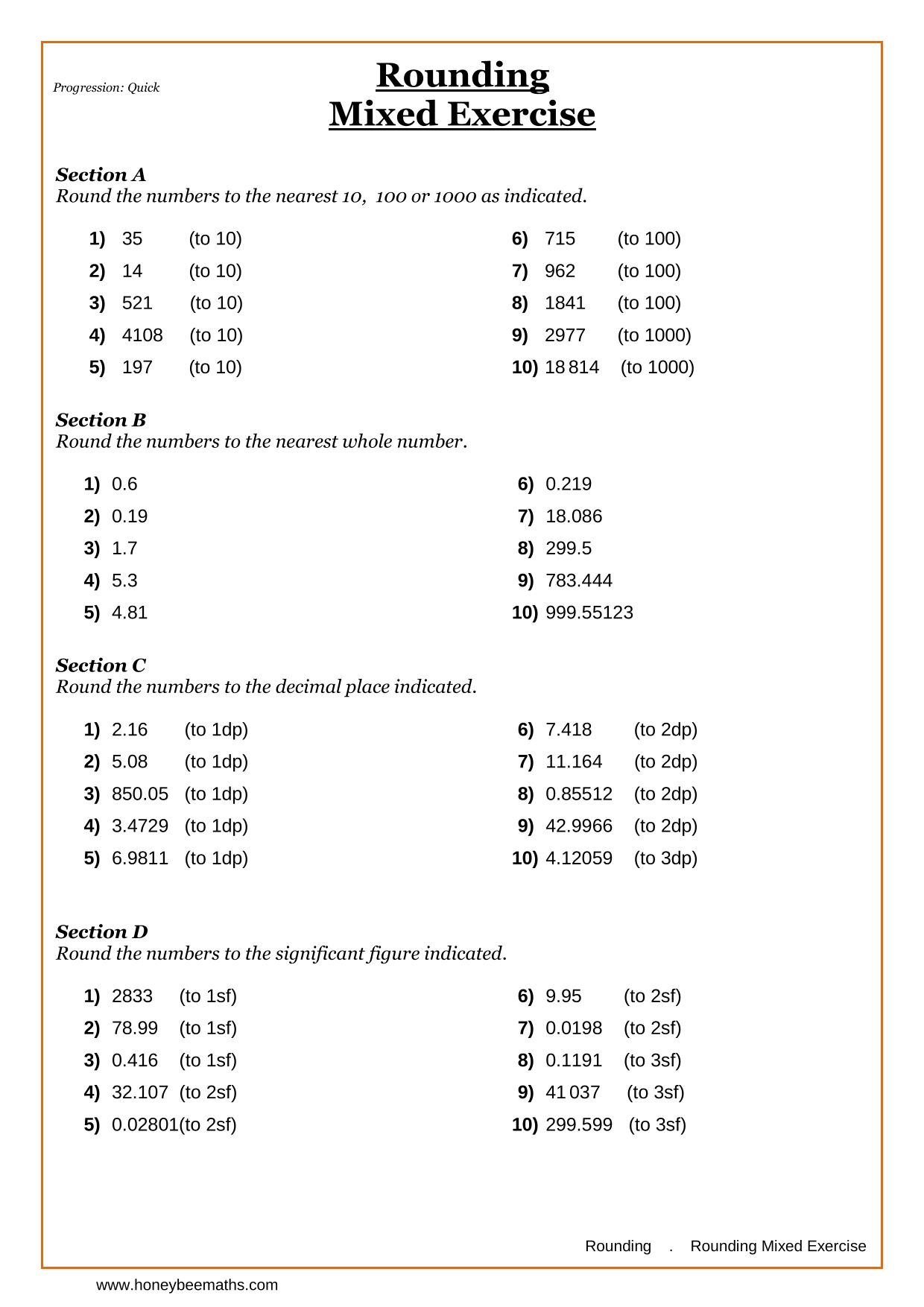
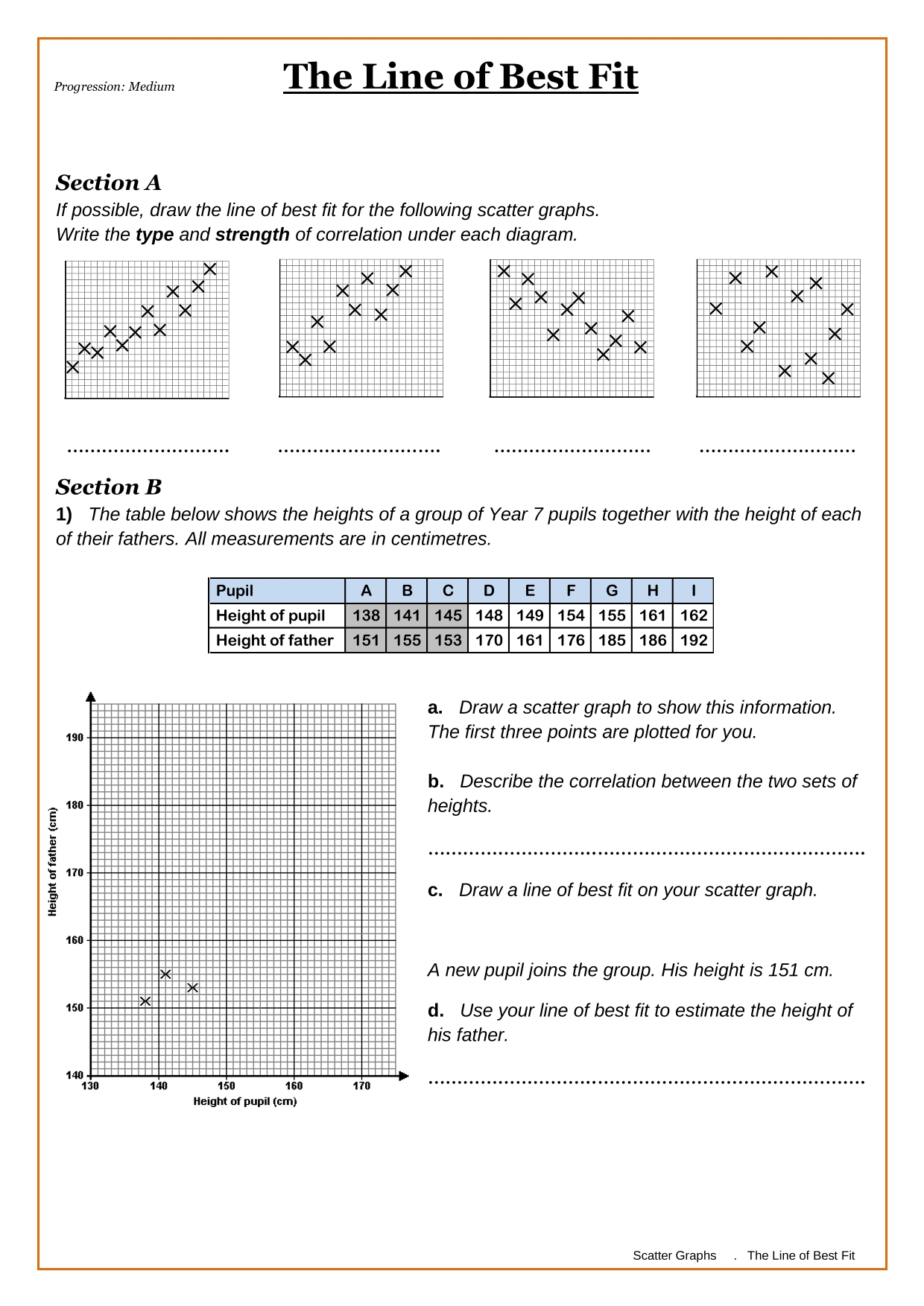
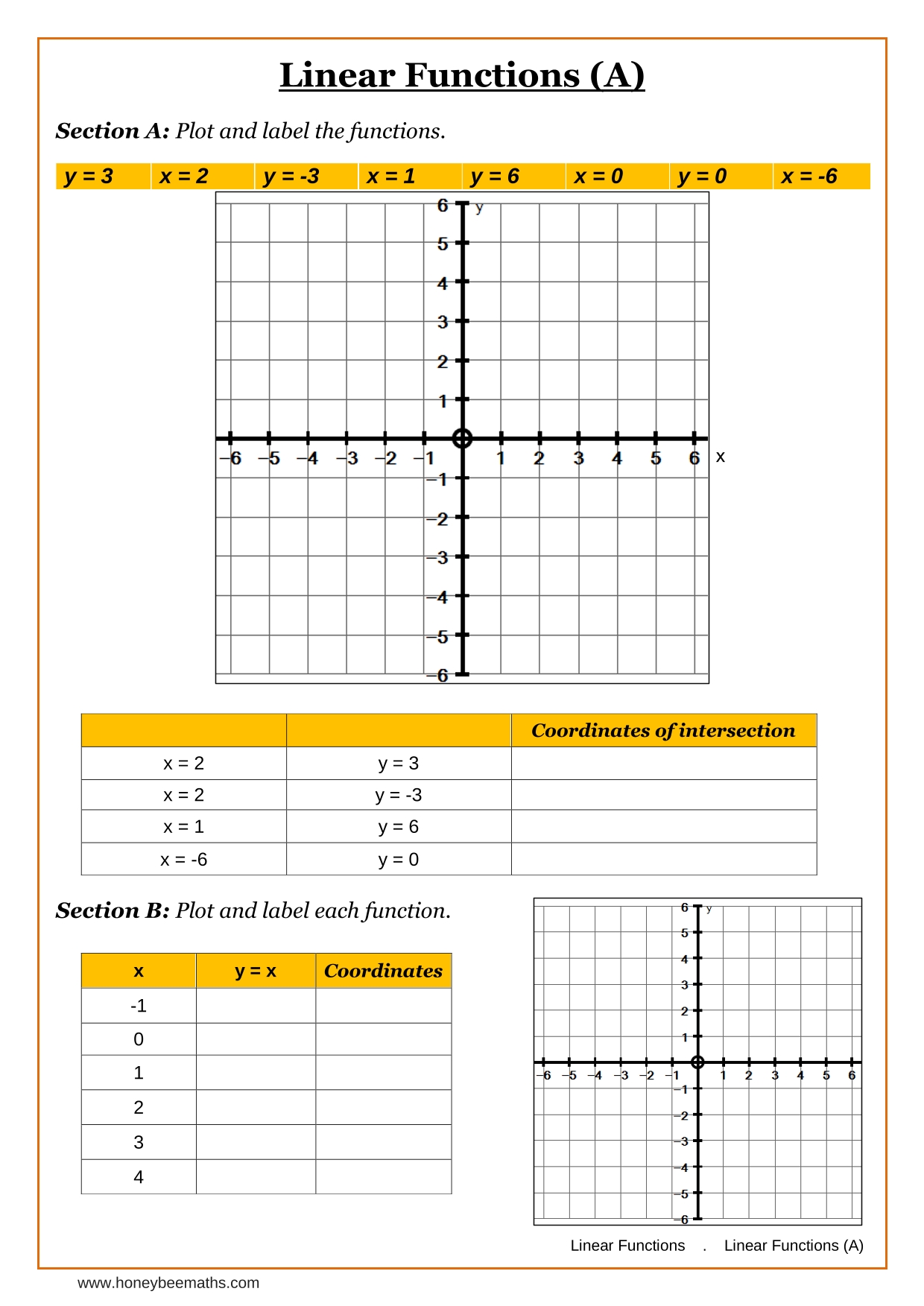
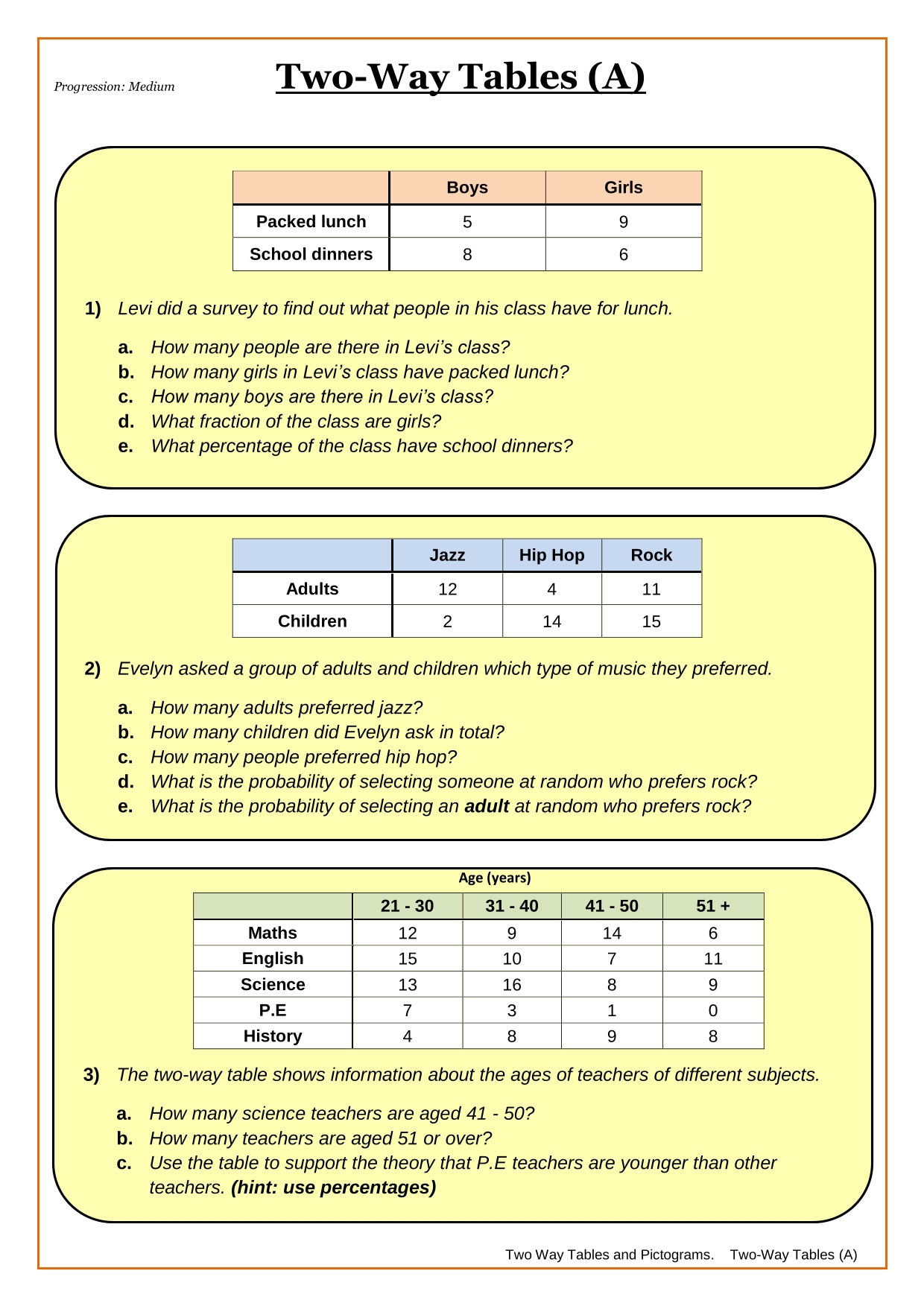
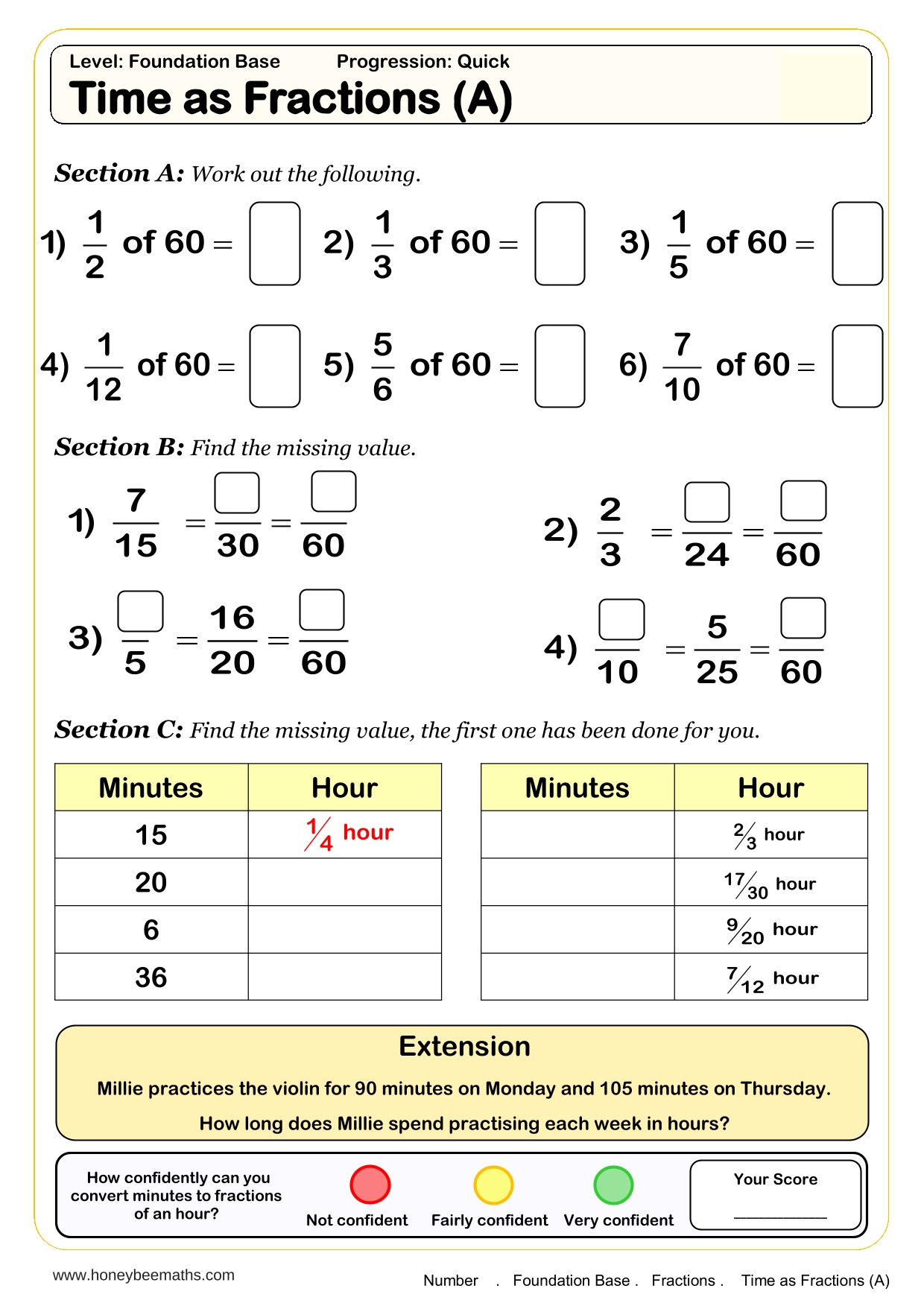
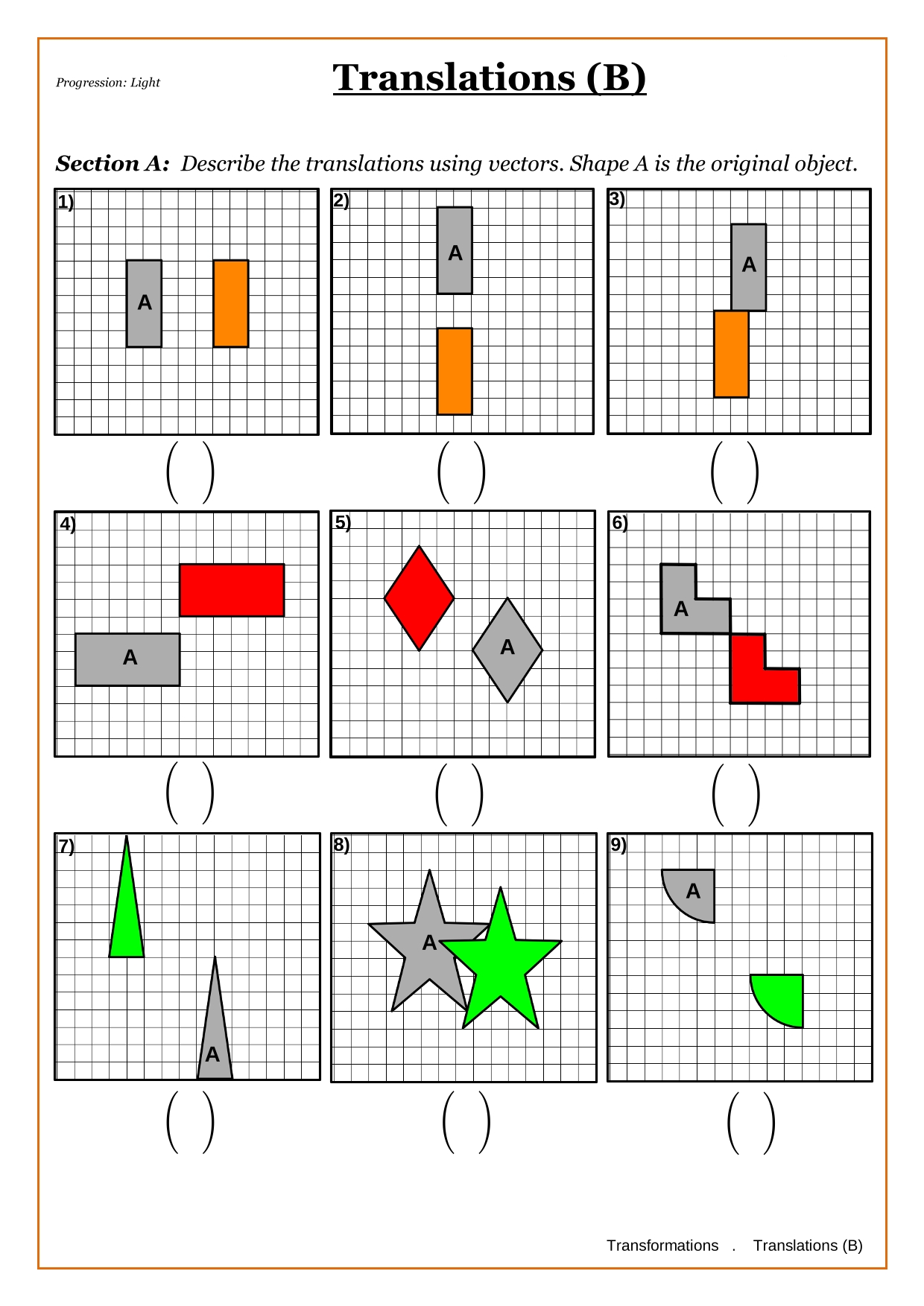
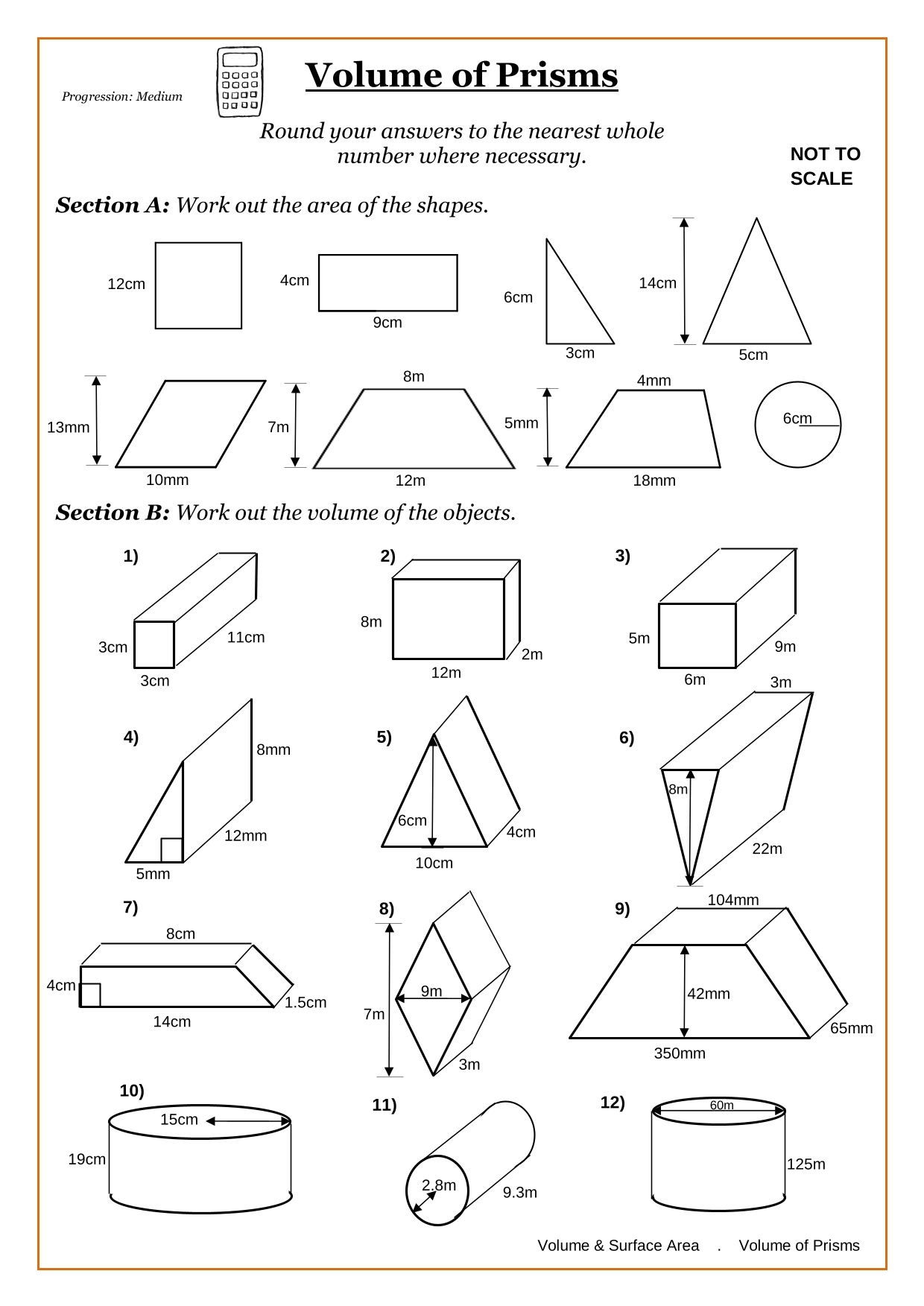
Year 8 maths builds upon the foundations established in Year 7 and introduces students to more advanced mathematical concepts and problem-solving techniques. As students progress through Key Stage 3, they develop greater confidence when working with numbers, algebra, geometry and data. Students continue to strengthen their understanding of fractions, decimals, percentages and ratio, applying these skills to increasingly challenging problems. Algebra becomes more important, with students learning to simplify expressions, expand brackets, substitute values into formulas, solve equations and investigate sequences. They also begin exploring concepts such as powers, roots and standard form. In geometry, students study angles, polygons, transformations, coordinates and constructions. They learn how to calculate area, perimeter and volume for a variety of shapes and develop their understanding of scale drawings and bearings. Statistical topics include averages, charts, scatter graphs and probability, helping students interpret data and make informed conclusions. Problem-solving and mathematical reasoning remain central throughout Year 8. Students are encouraged to explain their methods, justify their answers and apply mathematical techniques to unfamiliar situations. By the end of Year 8, students should have a secure understanding of key mathematical skills and be ready to tackle the more demanding algebraic, geometric and statistical concepts introduced in Year 9 and GCSE mathematics.