Year 9 Maths Worksheets | Printable PDFs
What is taught in Year 9 Maths?
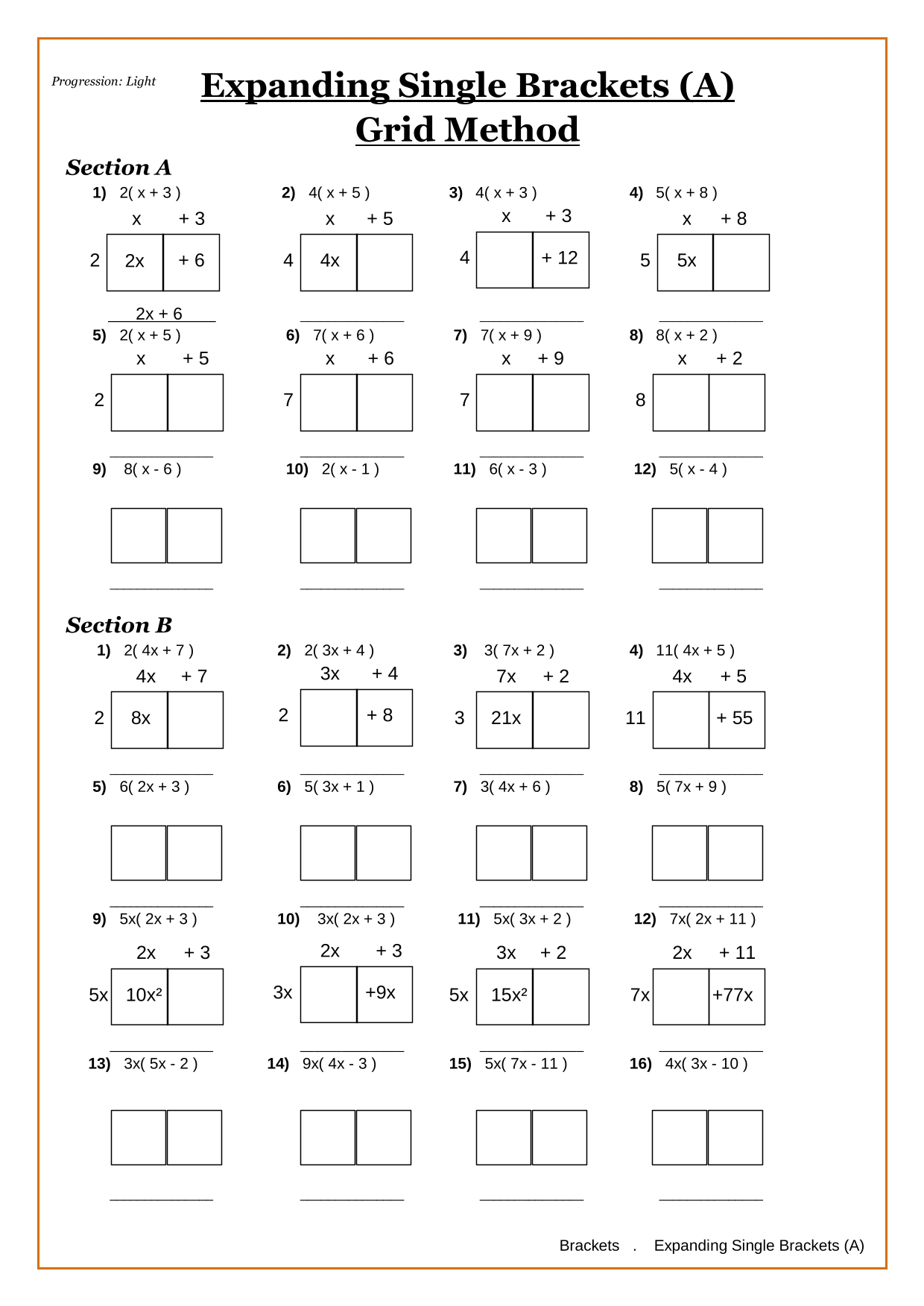
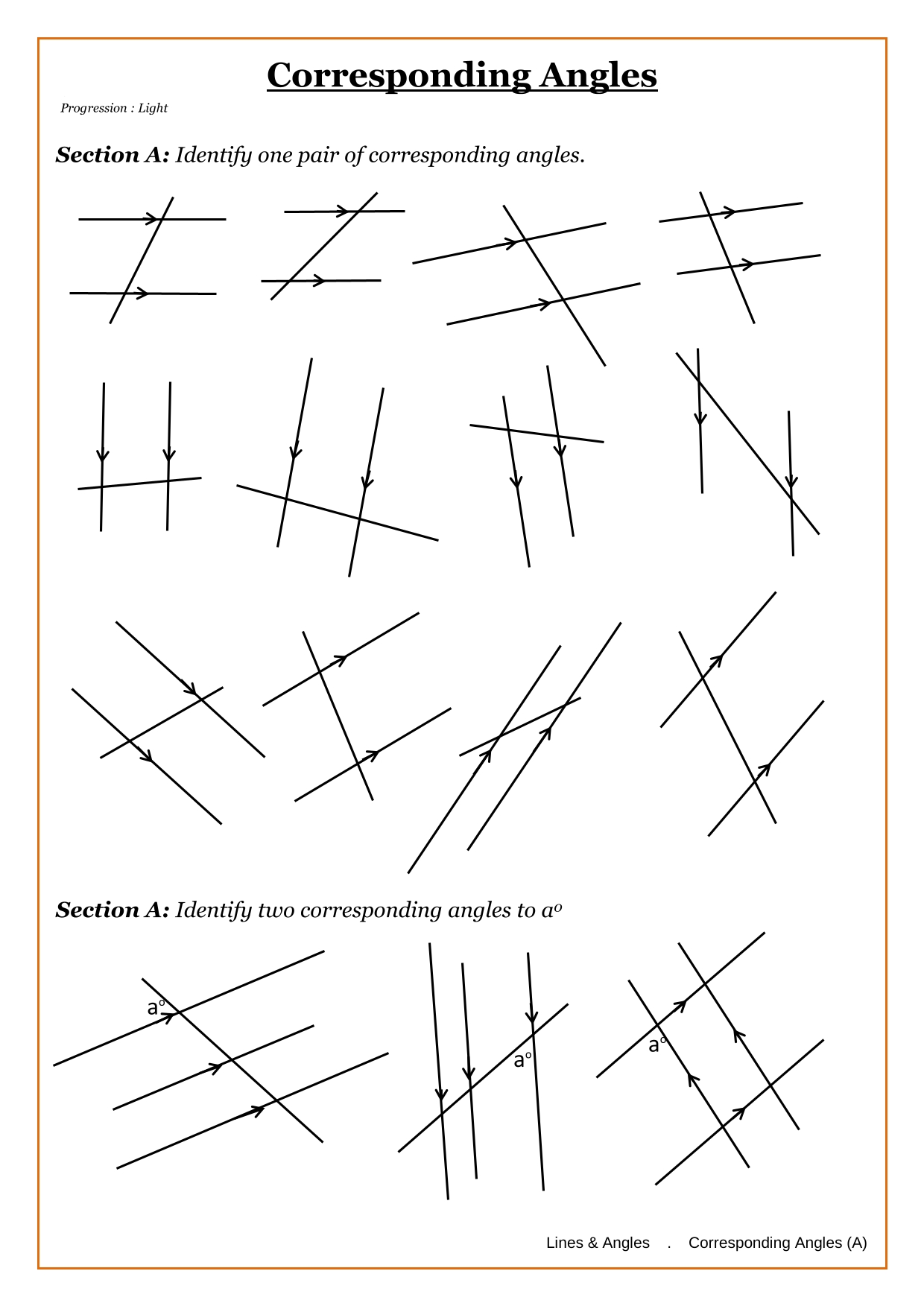
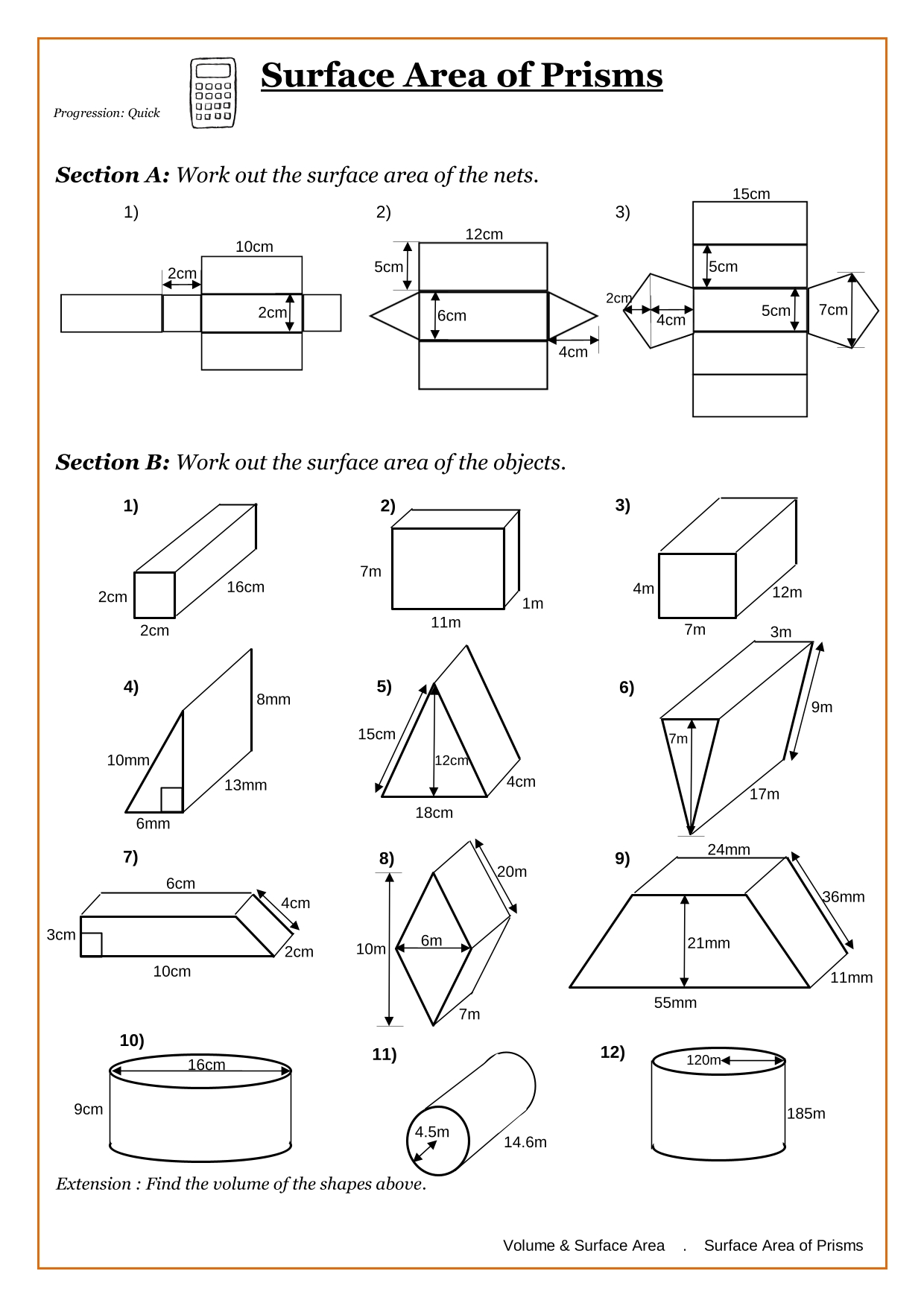
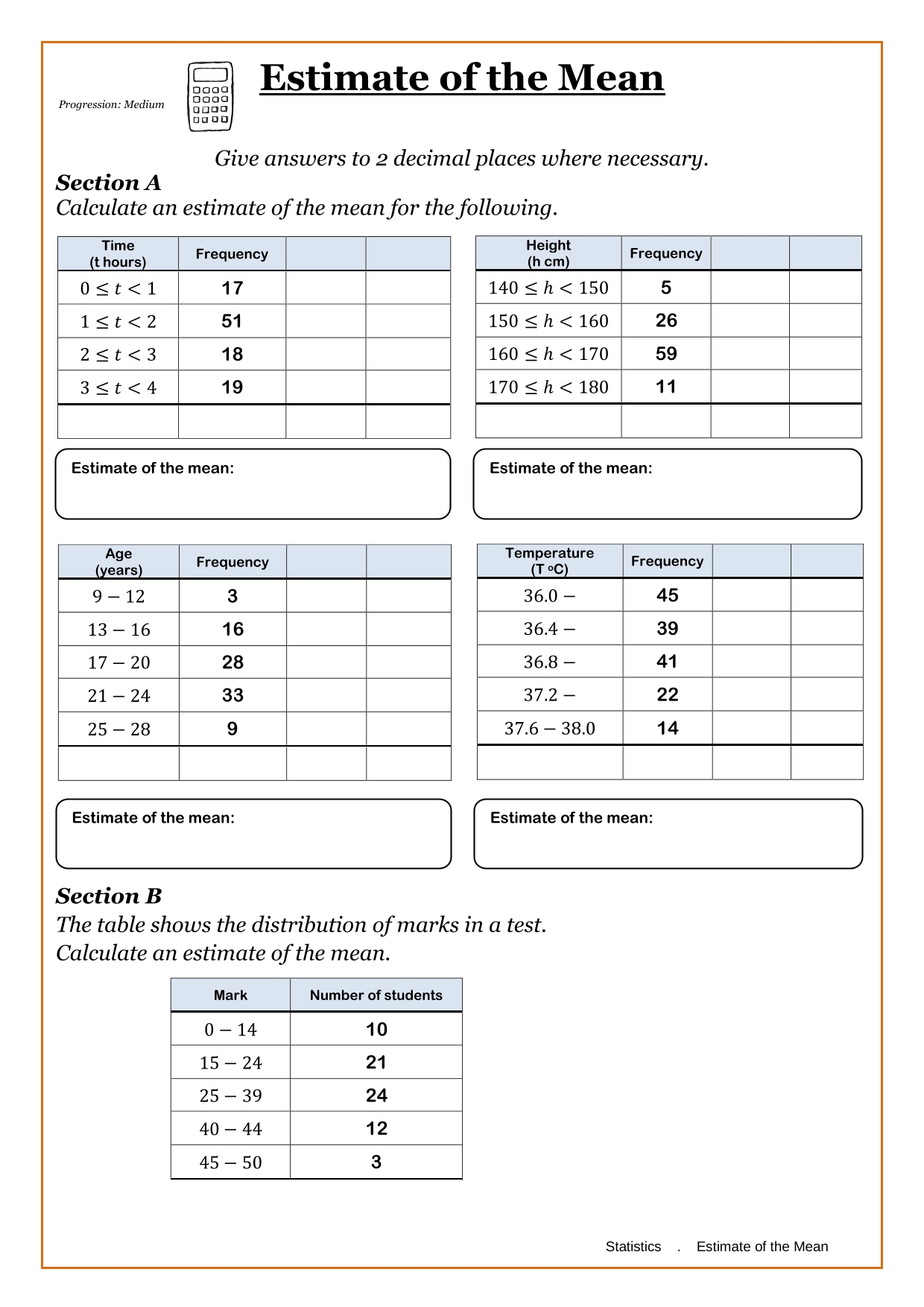
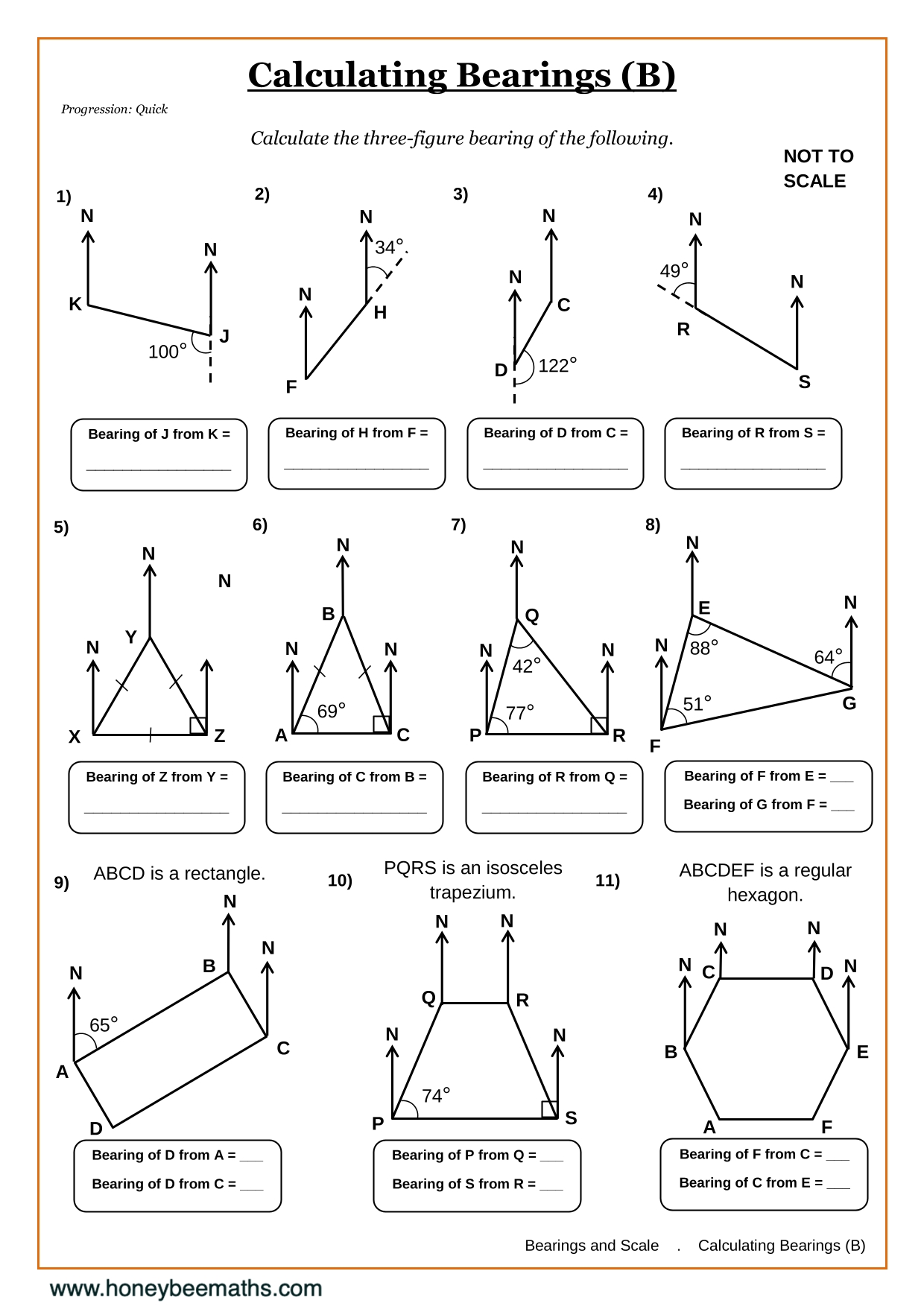
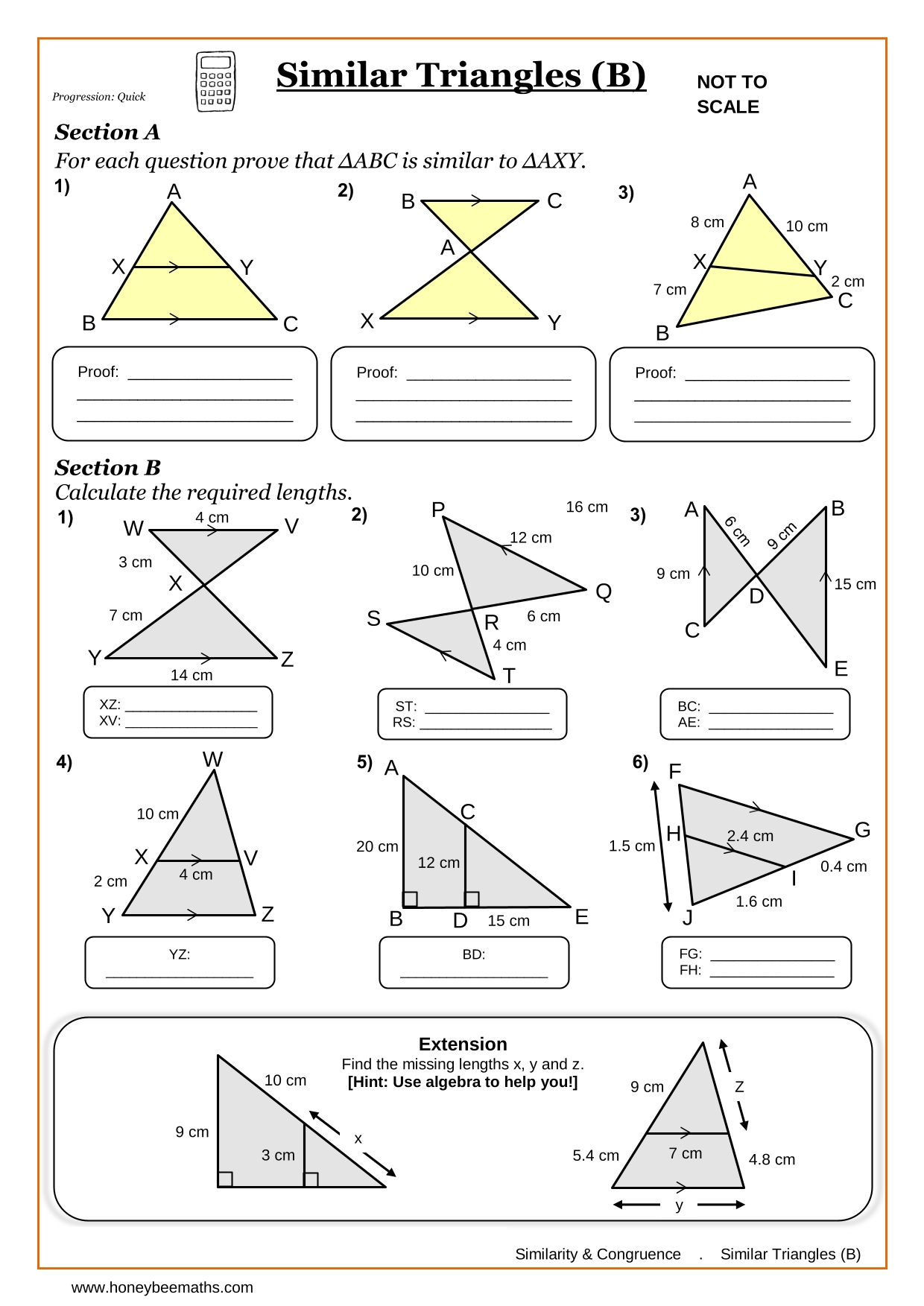
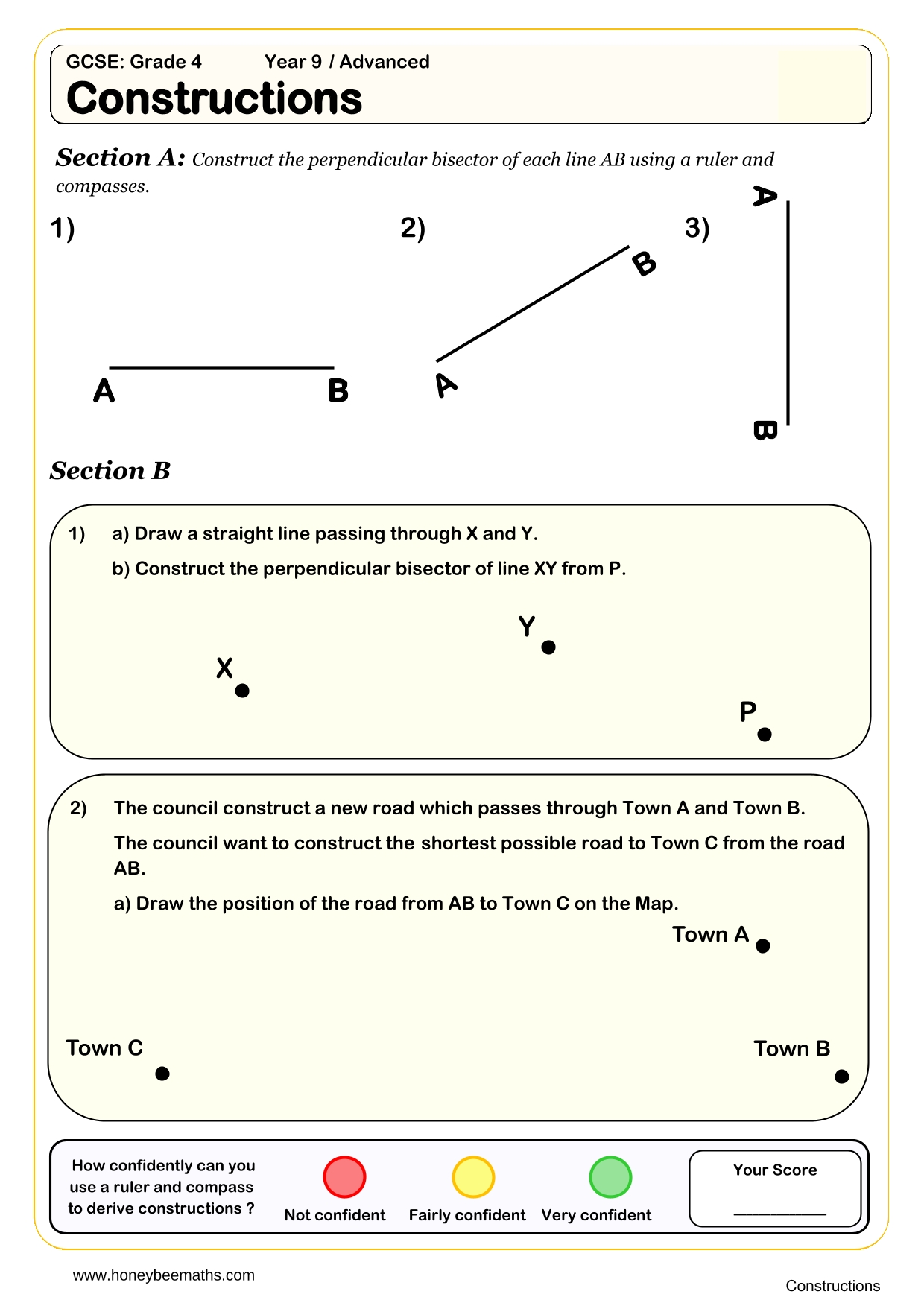
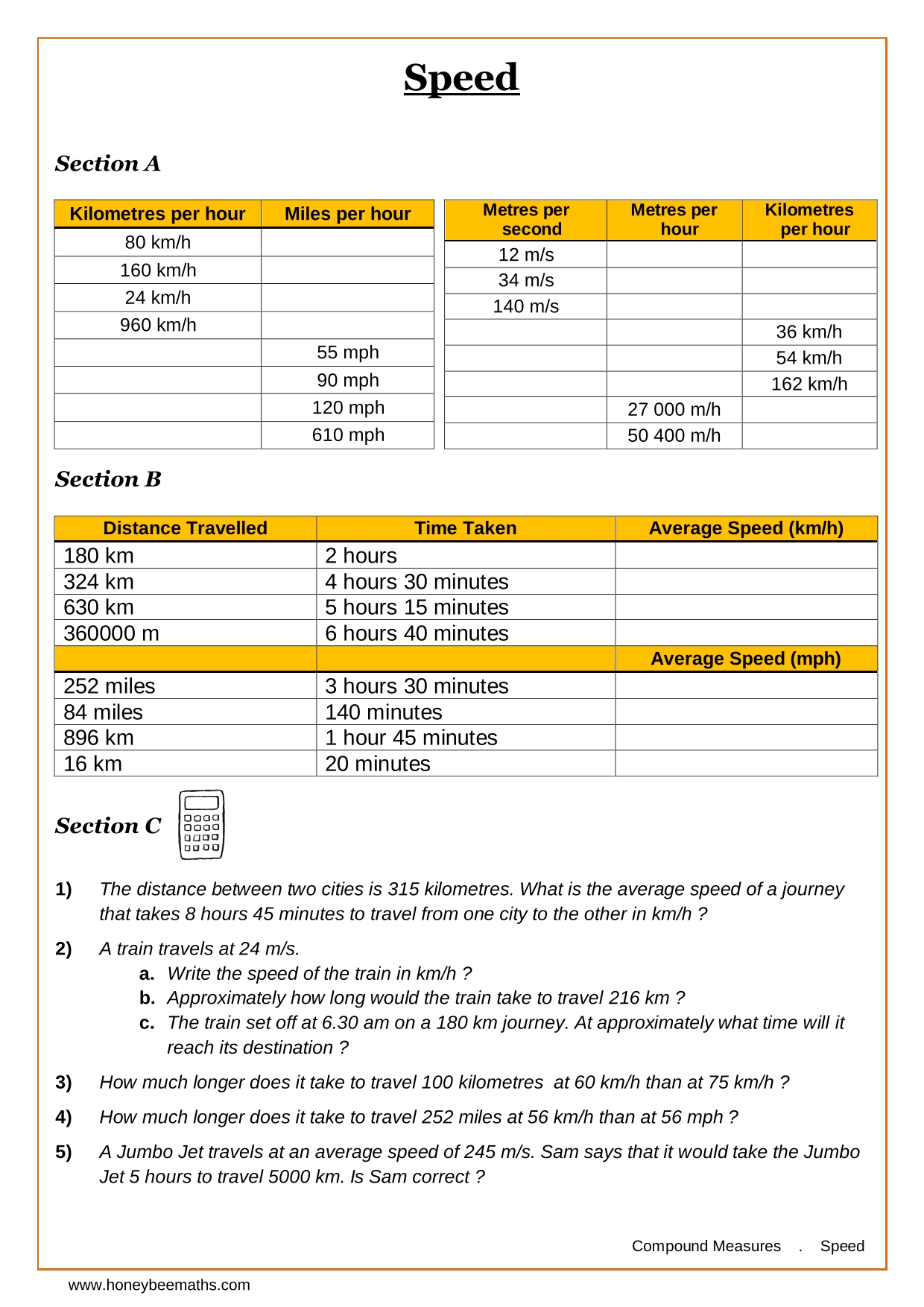
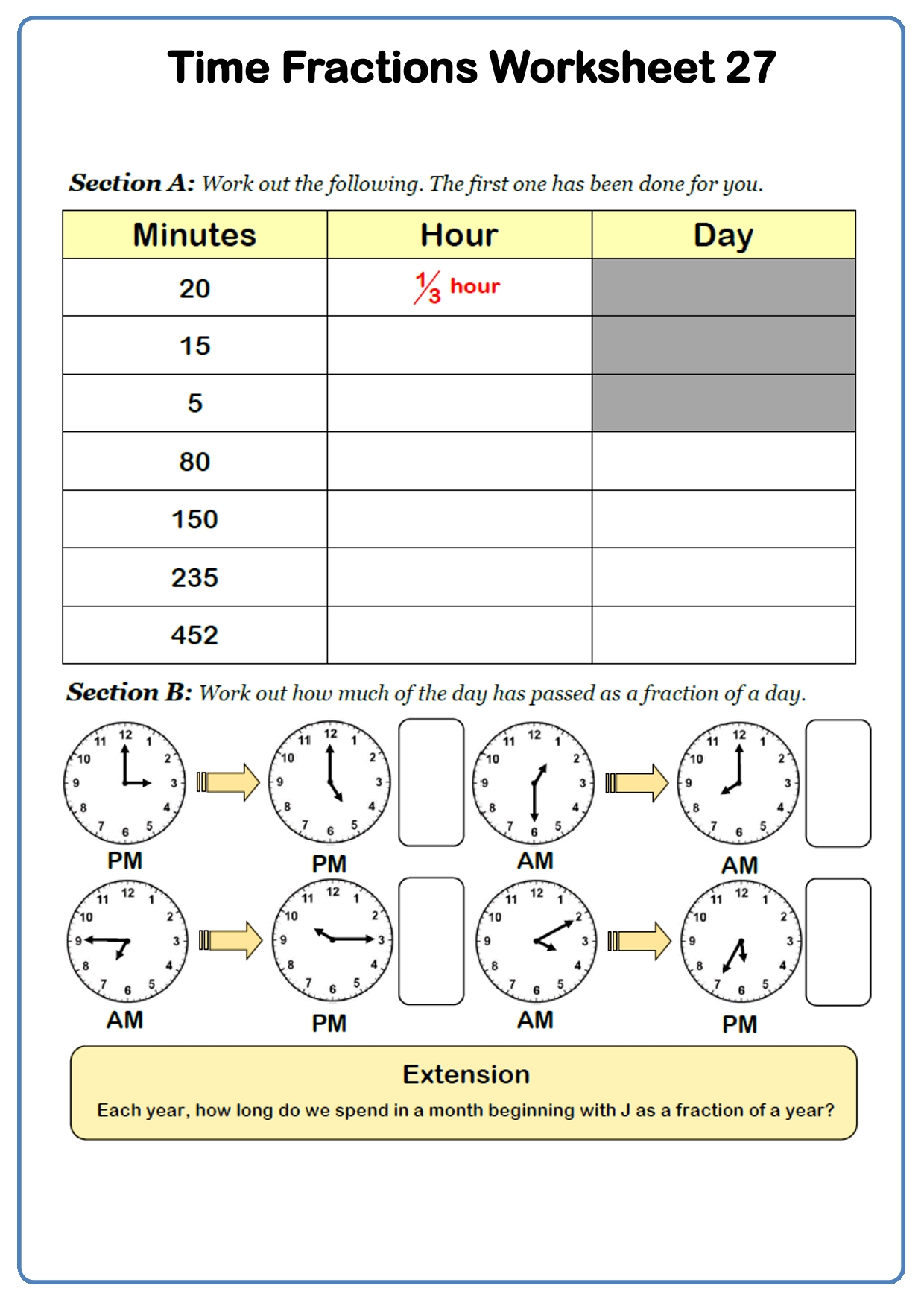
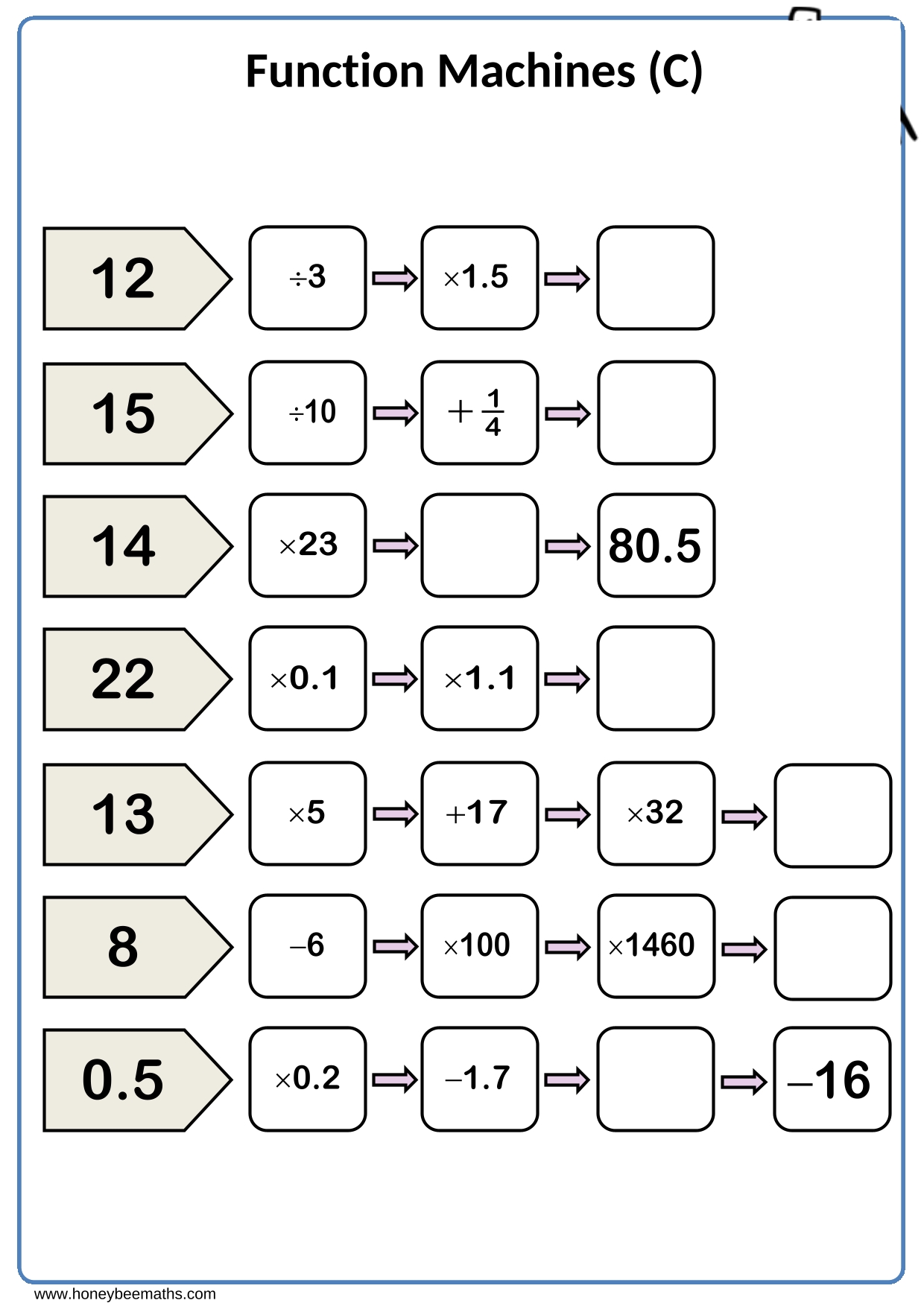
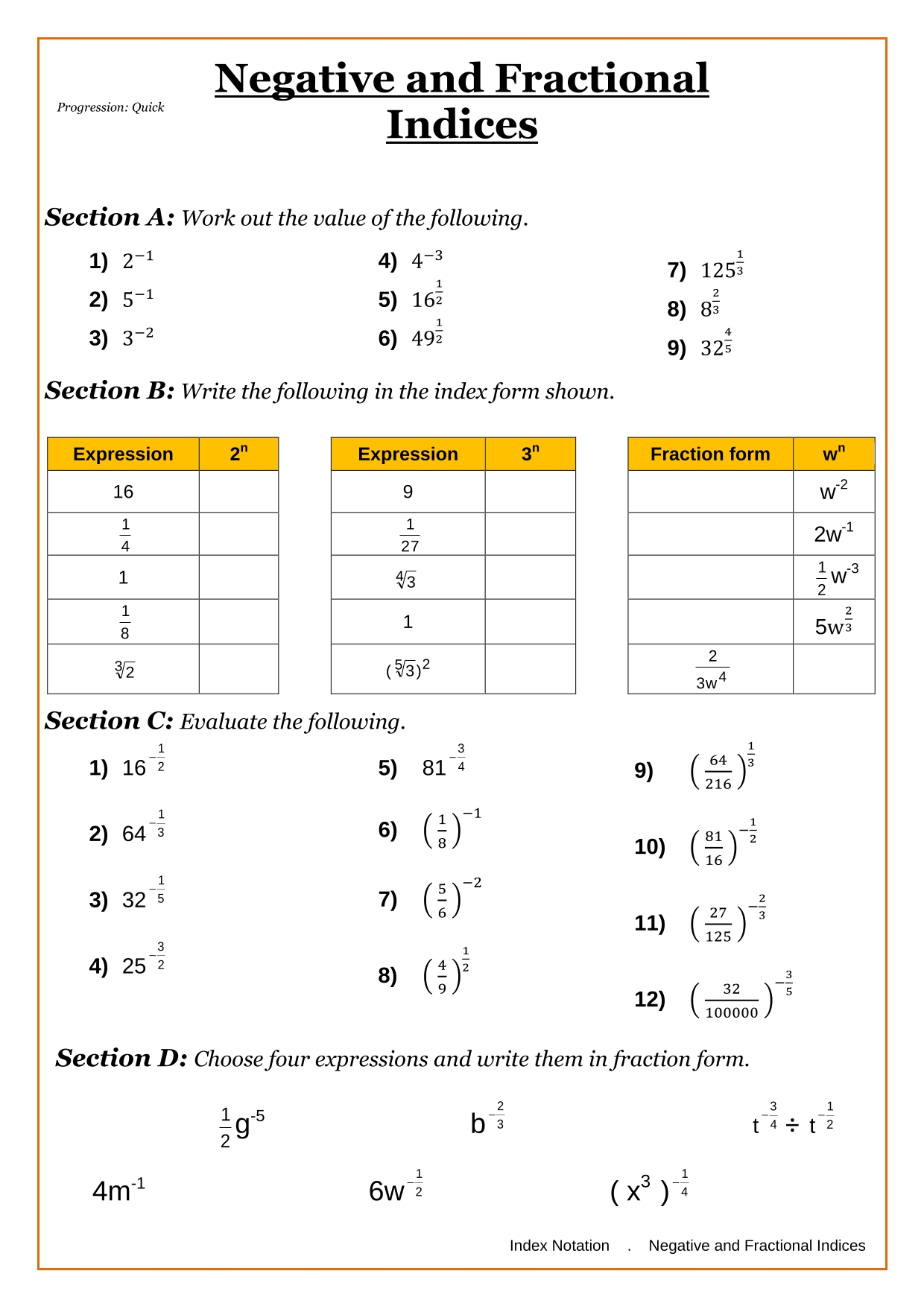
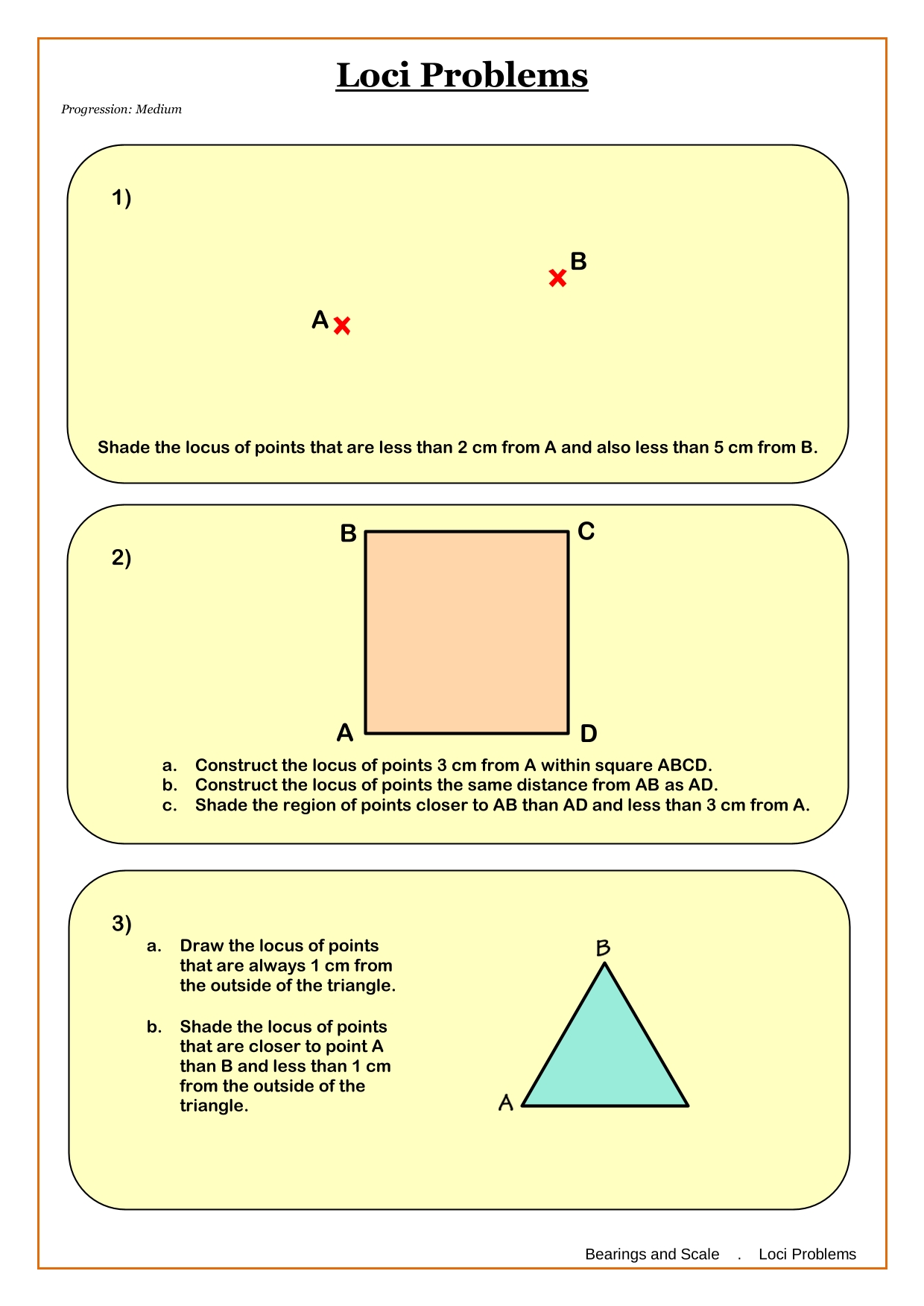
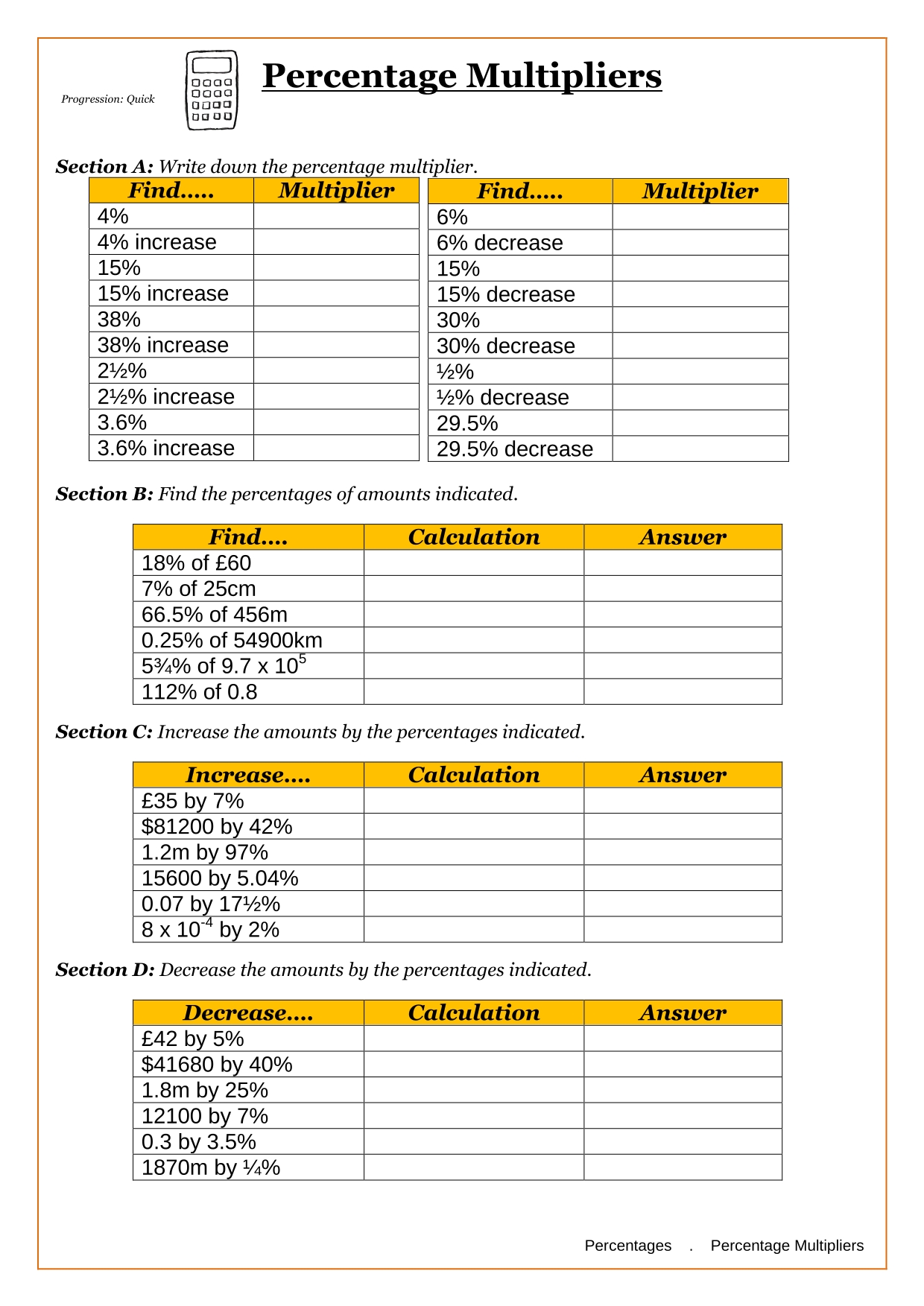
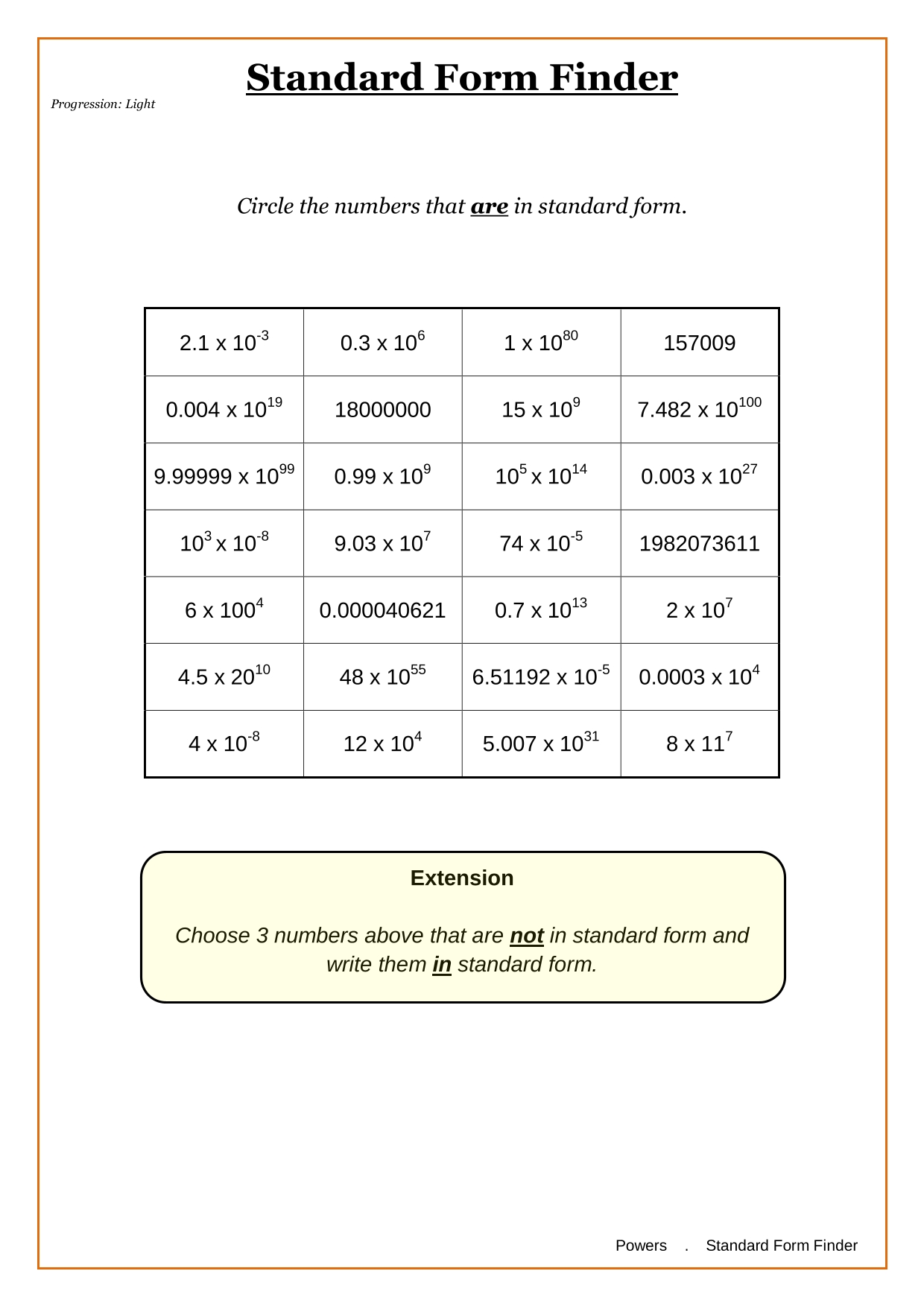
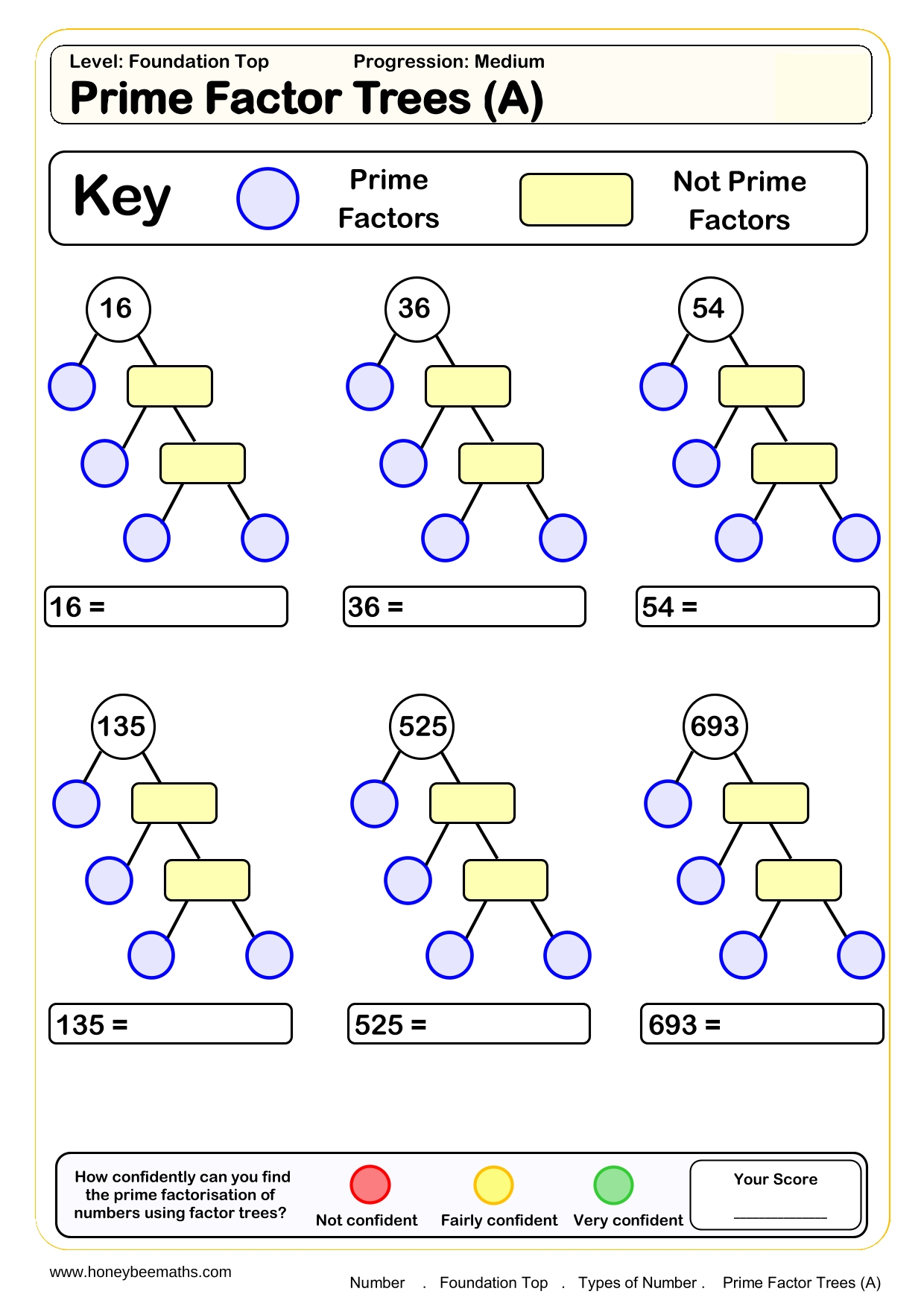
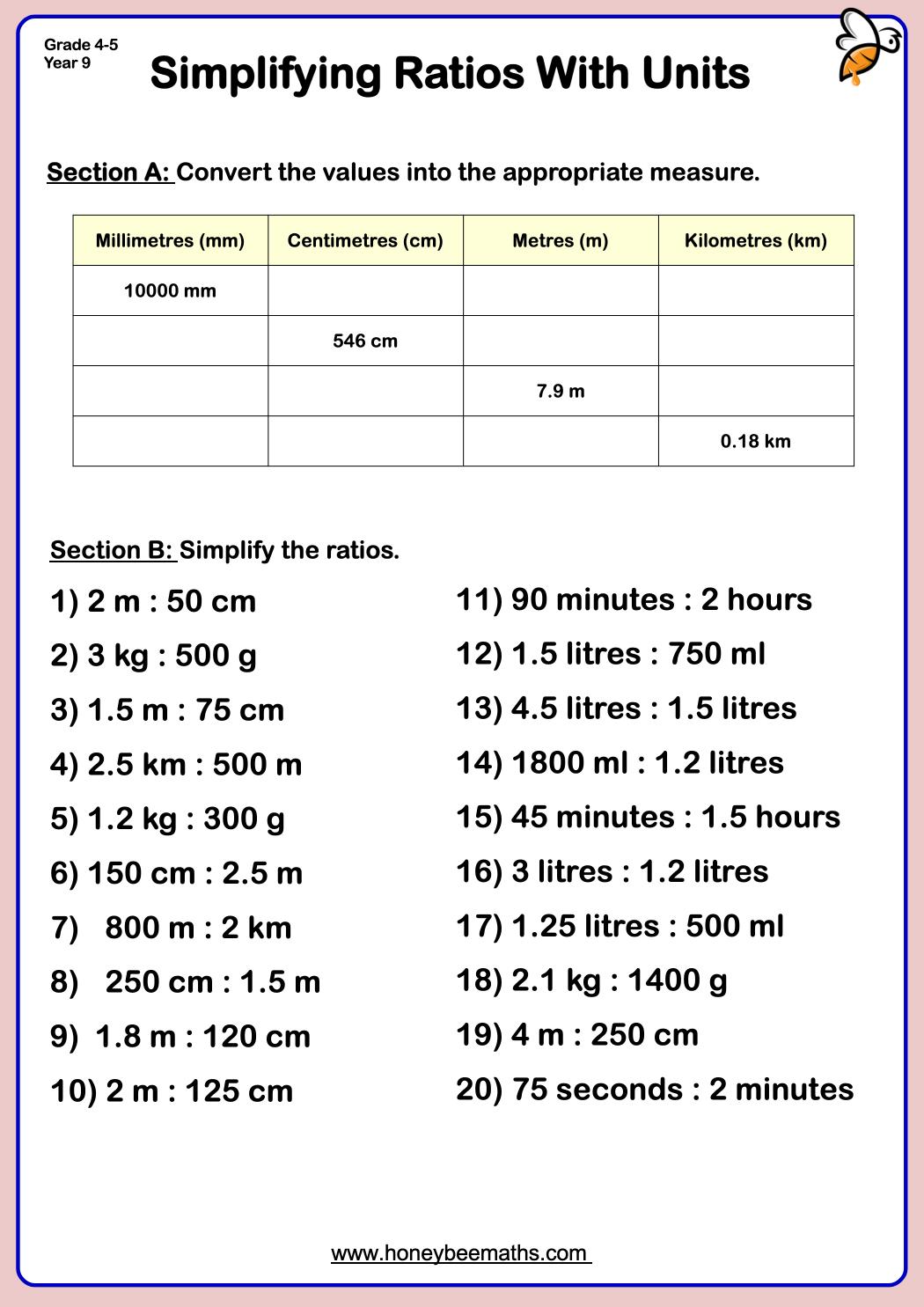
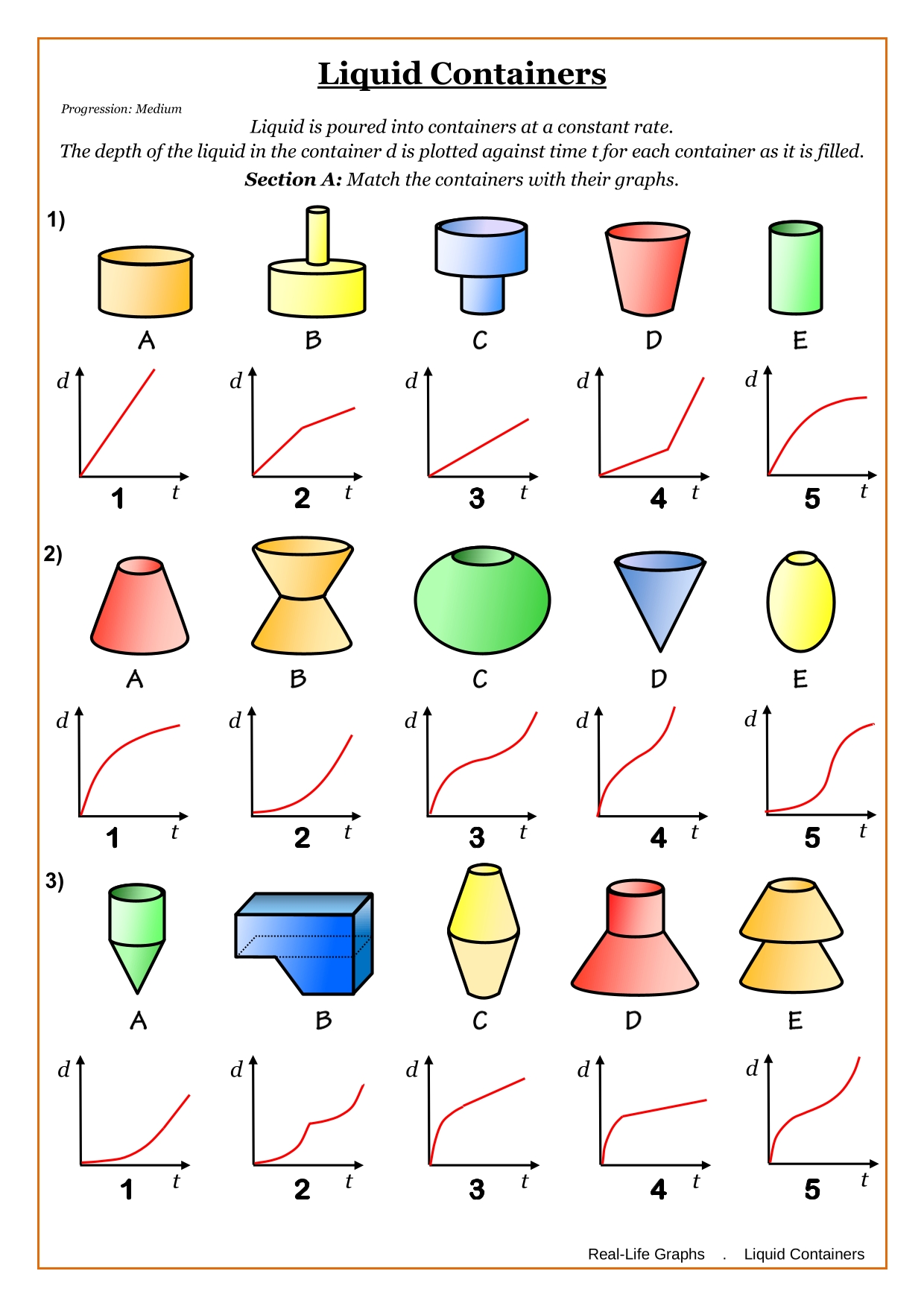
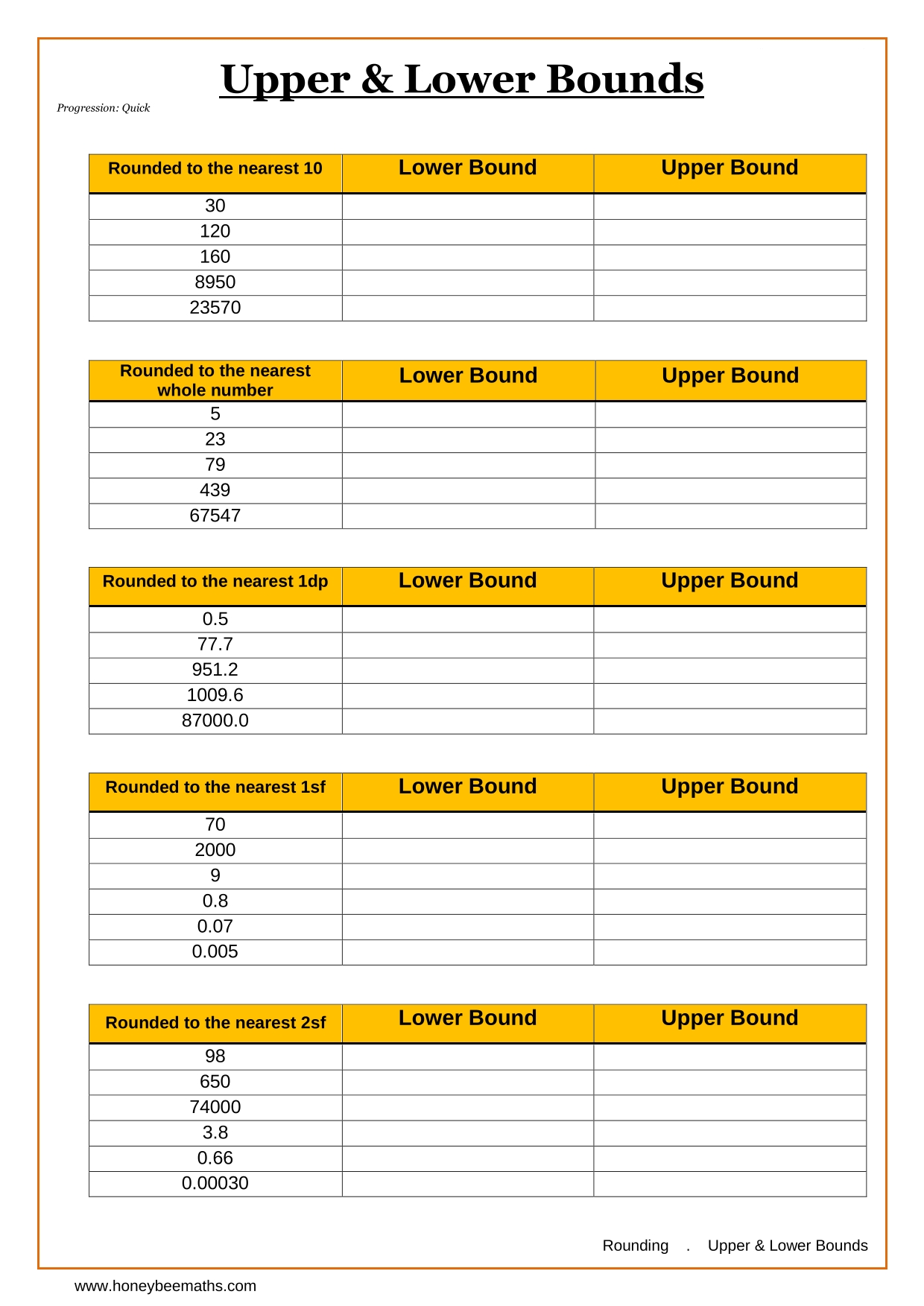
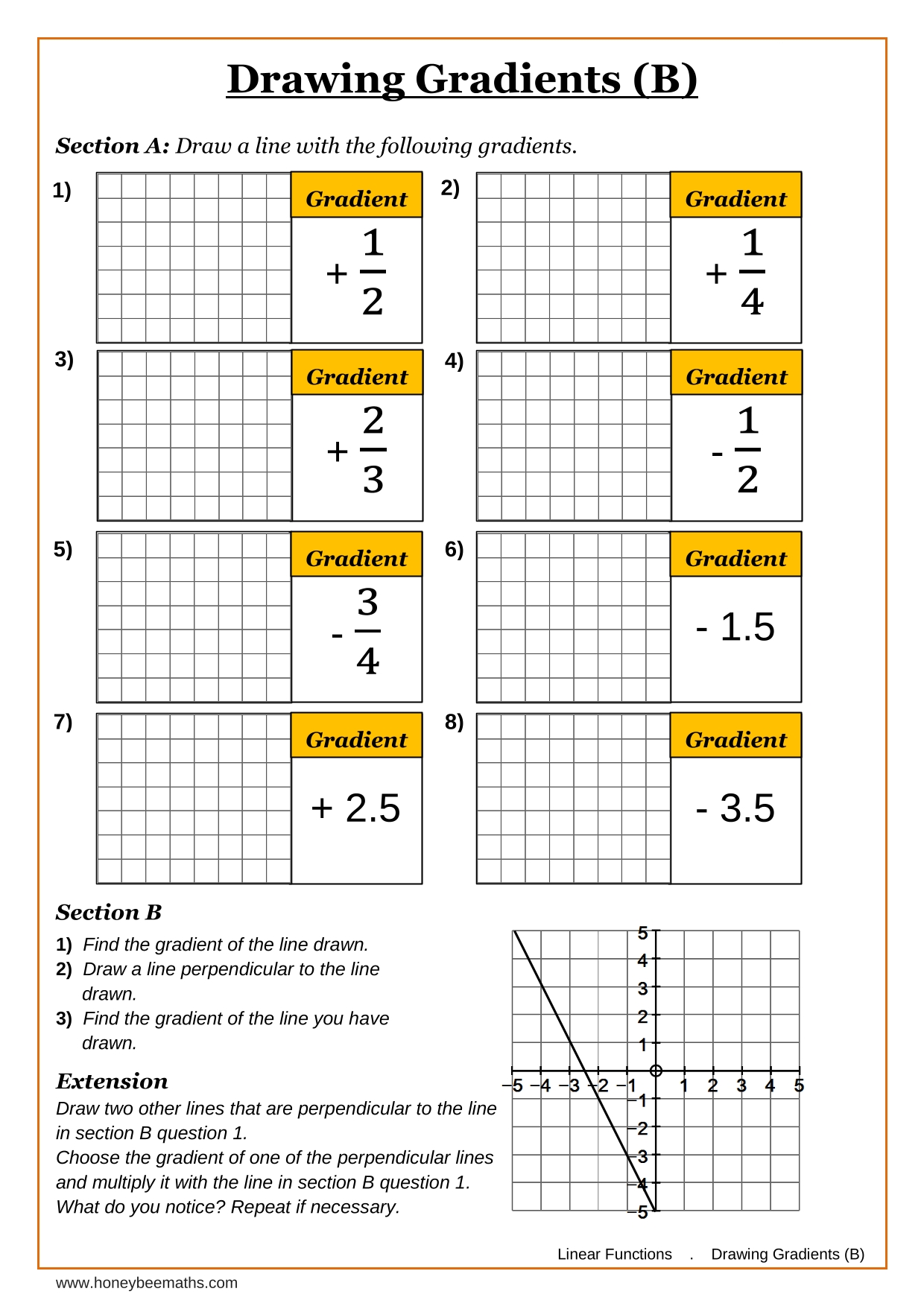
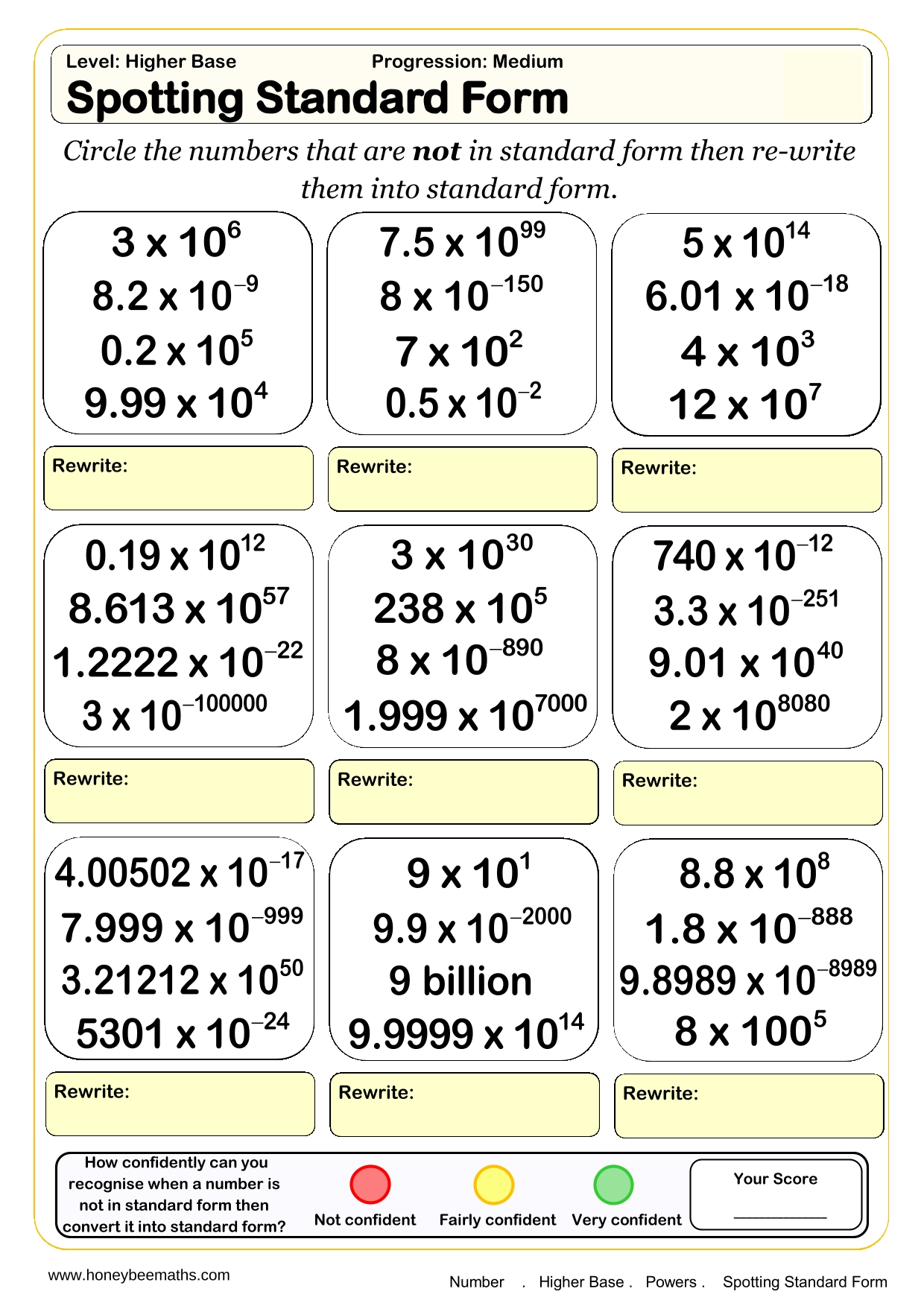
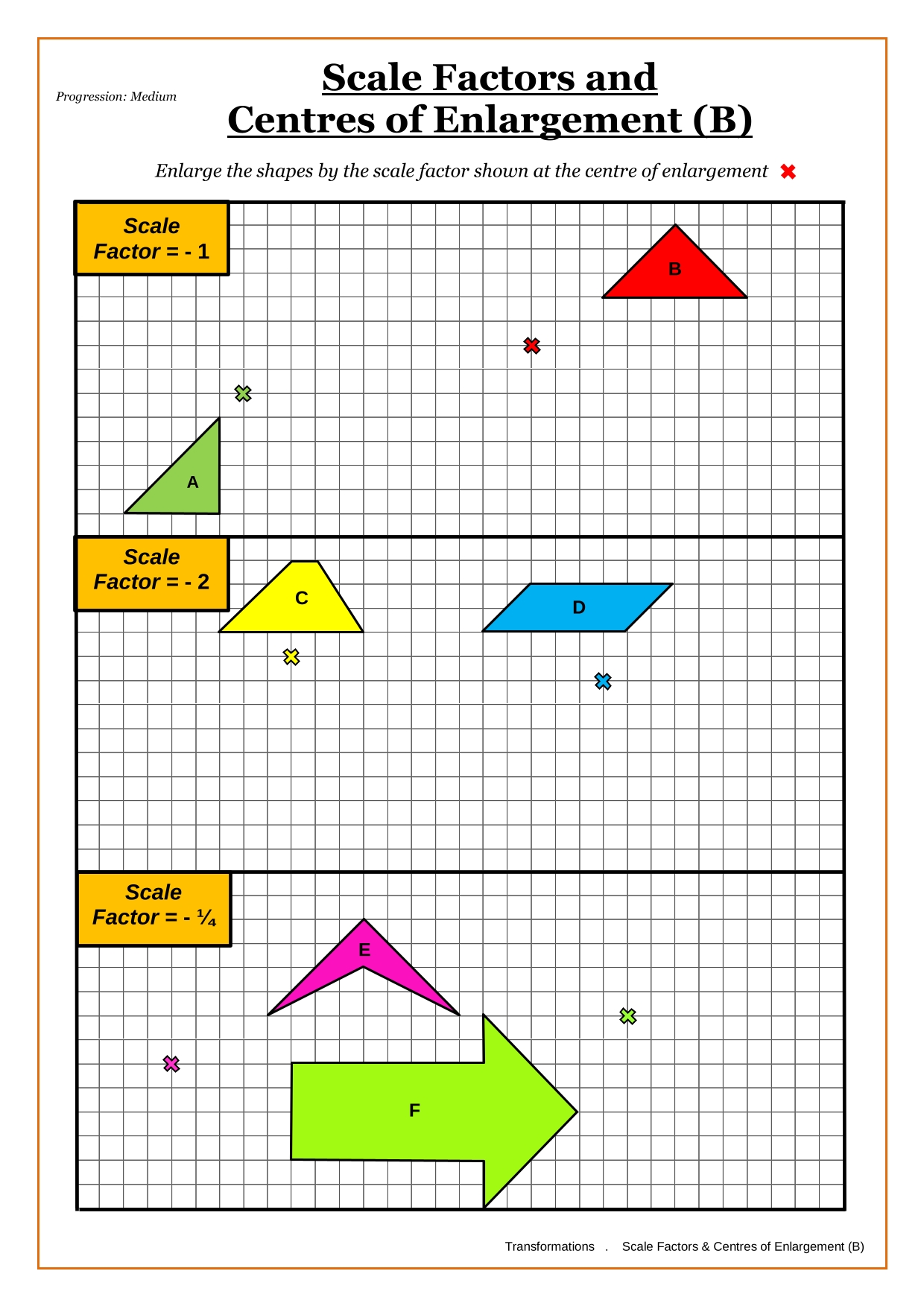
Year 9 maths worksheets help students build confidence with the key topics studied during one of the most important years of secondary school mathematics. At this stage, students develop their understanding of algebra, graphs, geometry, ratio, probability and statistics while preparing for the more advanced GCSE content they will encounter in Years 10 and 11. Year 9 maths worksheets provide opportunities to practise essential skills such as solving equations, working with fractions, percentages and standard form, drawing and interpreting graphs, calculating with indices, using Pythagoras' theorem, and exploring congruence and similarity. Students also encounter more complex topics including constructions, loci, bearings, direct proportion and probability.
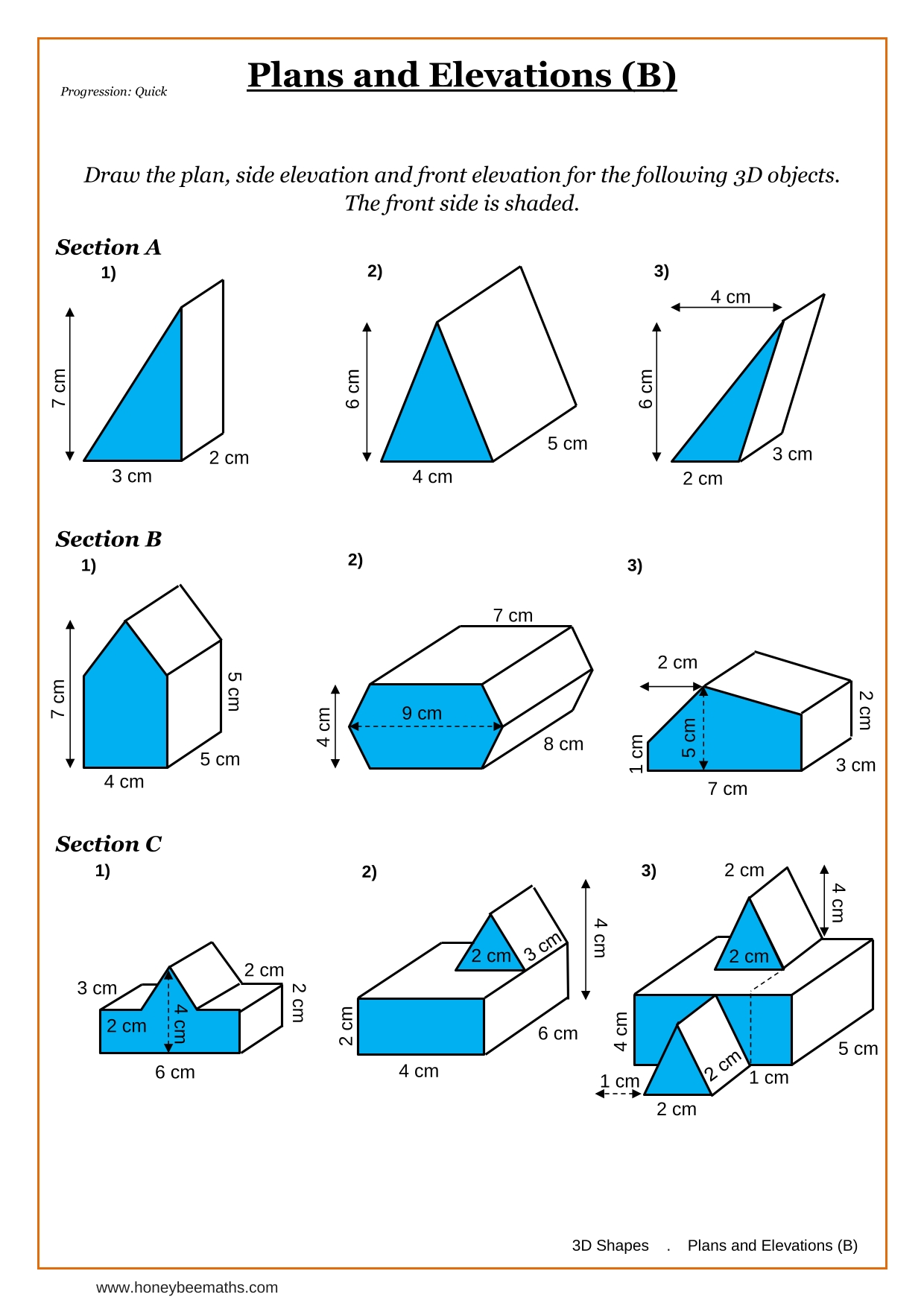
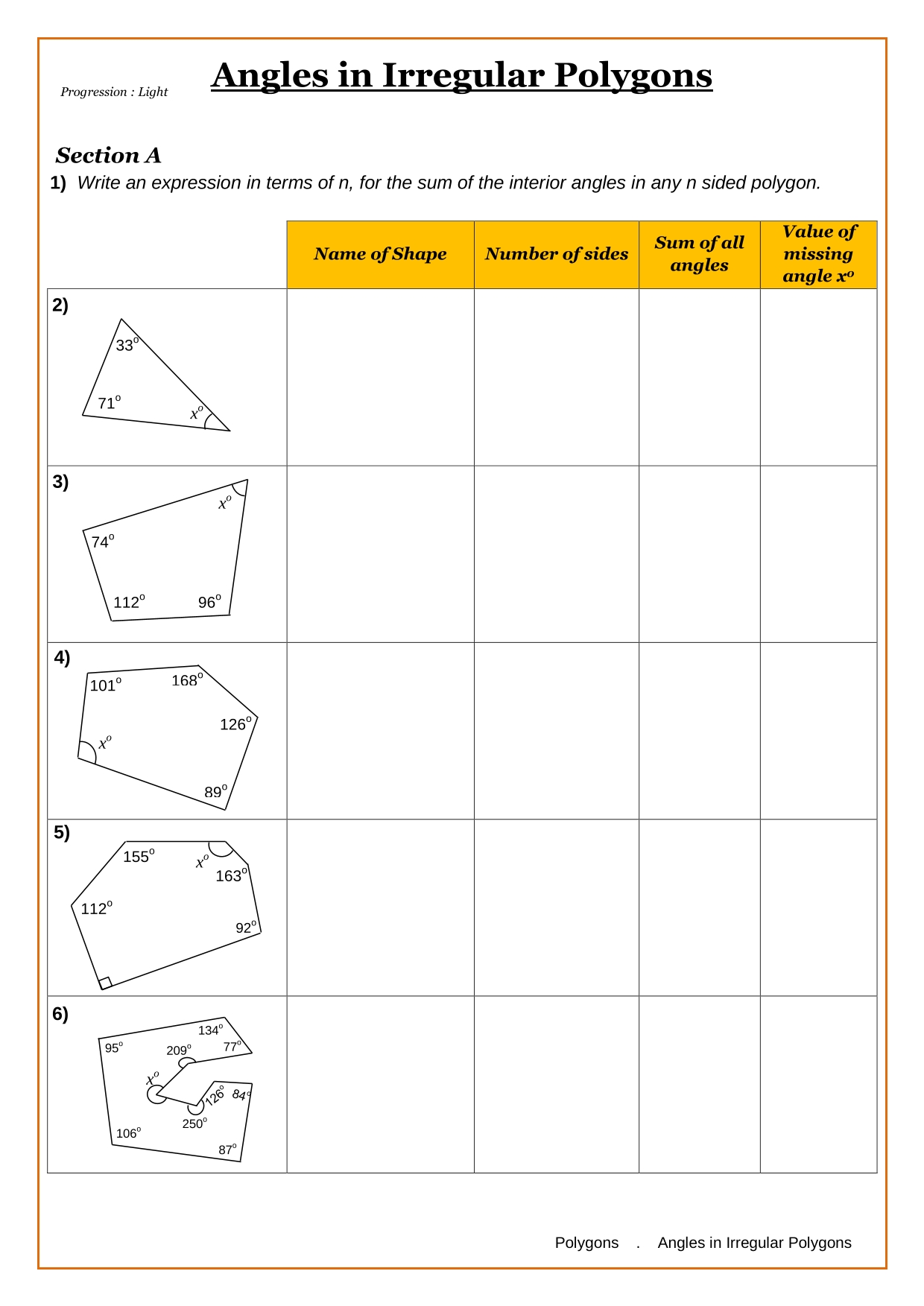
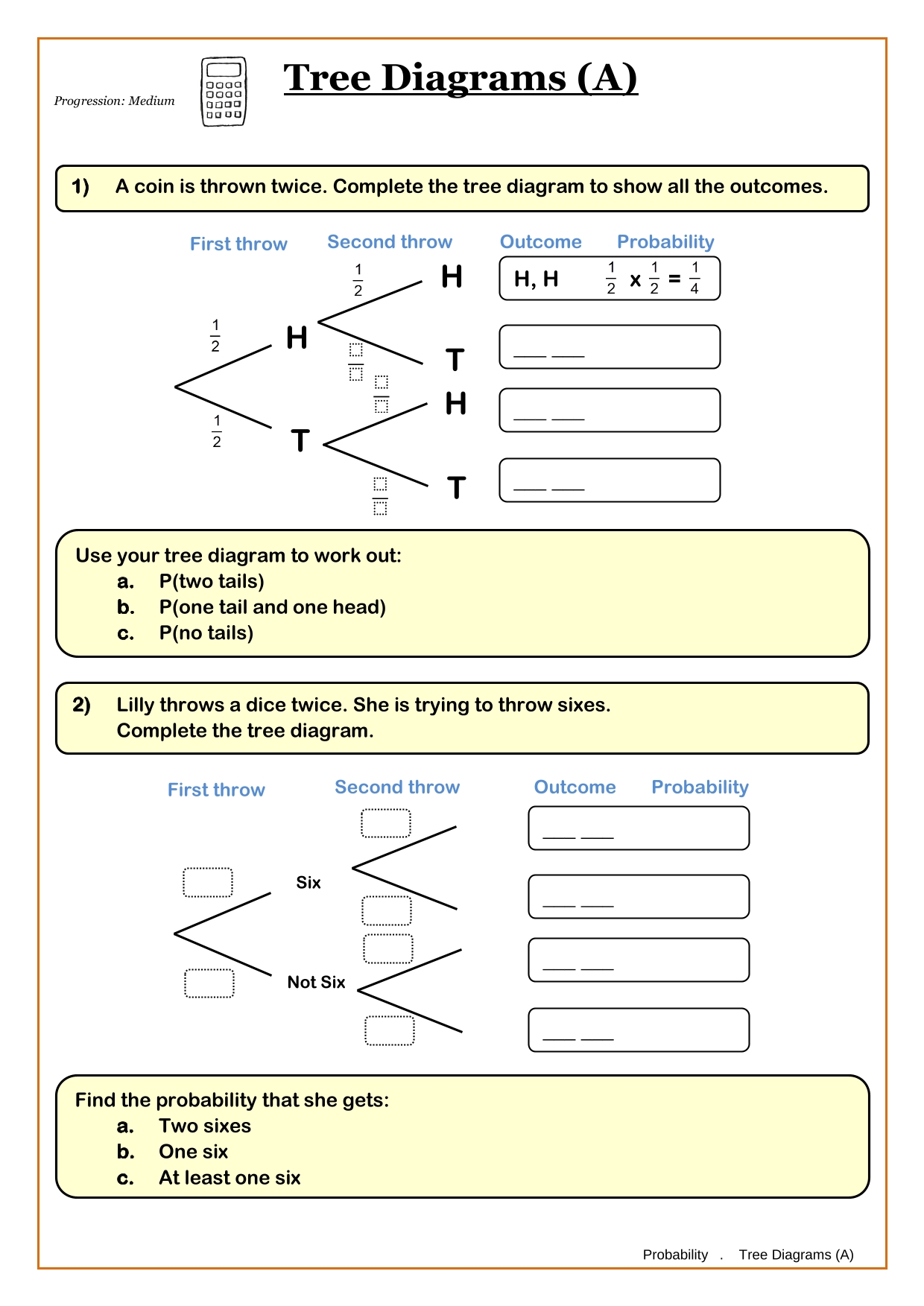
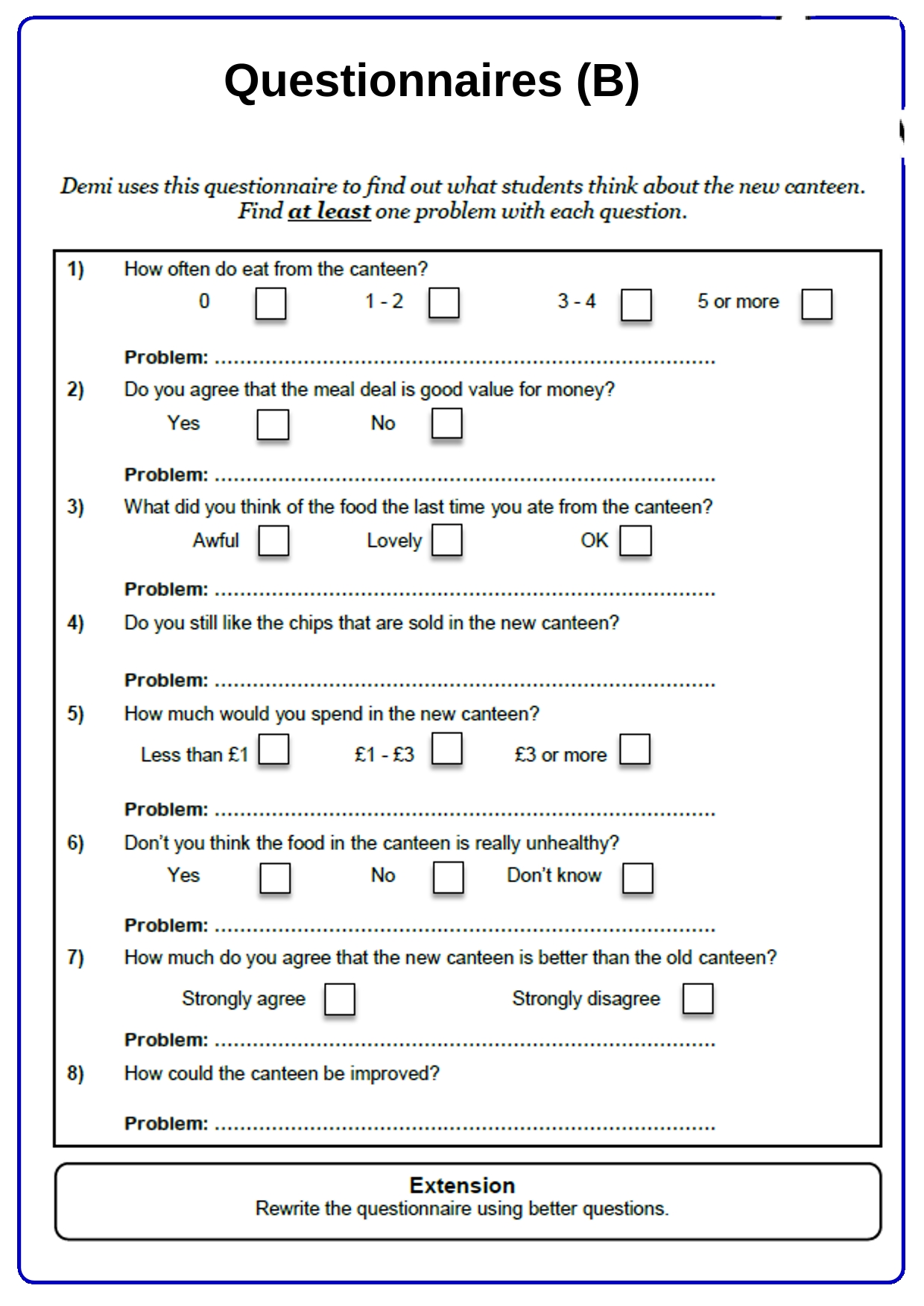
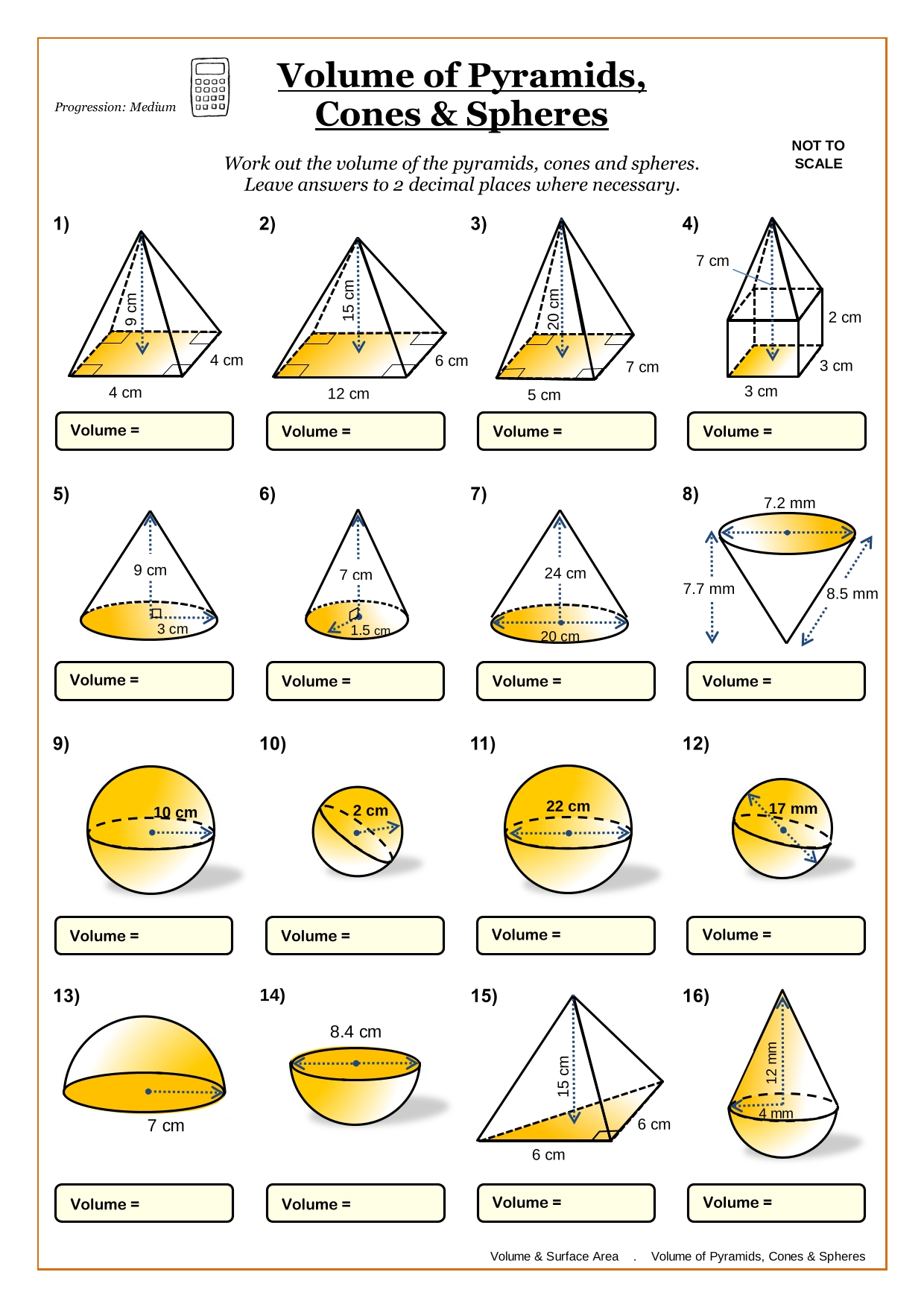
Year 9 maths is an important stage in Key Stage 3, as students begin preparing for the transition to GCSE mathematics. The focus is on strengthening core mathematical skills while introducing more advanced topics that form the foundation of future GCSE study. Students continue to develop their understanding of number, including fractions, decimals, percentages, ratio and standard form. Algebra becomes increasingly important, with topics such as expanding and factorising expressions, solving equations, rearranging formulas, sequences and graphing linear relationships. Students are encouraged to apply algebraic methods to solve a wide range of problems.Geometry topics include angles, polygons, constructions, loci, congruence and similarity. Students learn to calculate area, perimeter, surface area and volume, while also developing their understanding of bearings, scale drawings and transformations. In statistics and probability, students interpret data, calculate averages, analyse graphs and solve probability problems using methods such as sample space diagrams and tree diagrams.Year 9 maths places a strong emphasis on reasoning and problem-solving. Students are expected to explain their methods, justify conclusions and apply mathematical concepts in unfamiliar contexts. These skills help develop confidence and mathematical fluency while preparing students for the more challenging content they will encounter during their GCSE studies in Years 10 and 11.